
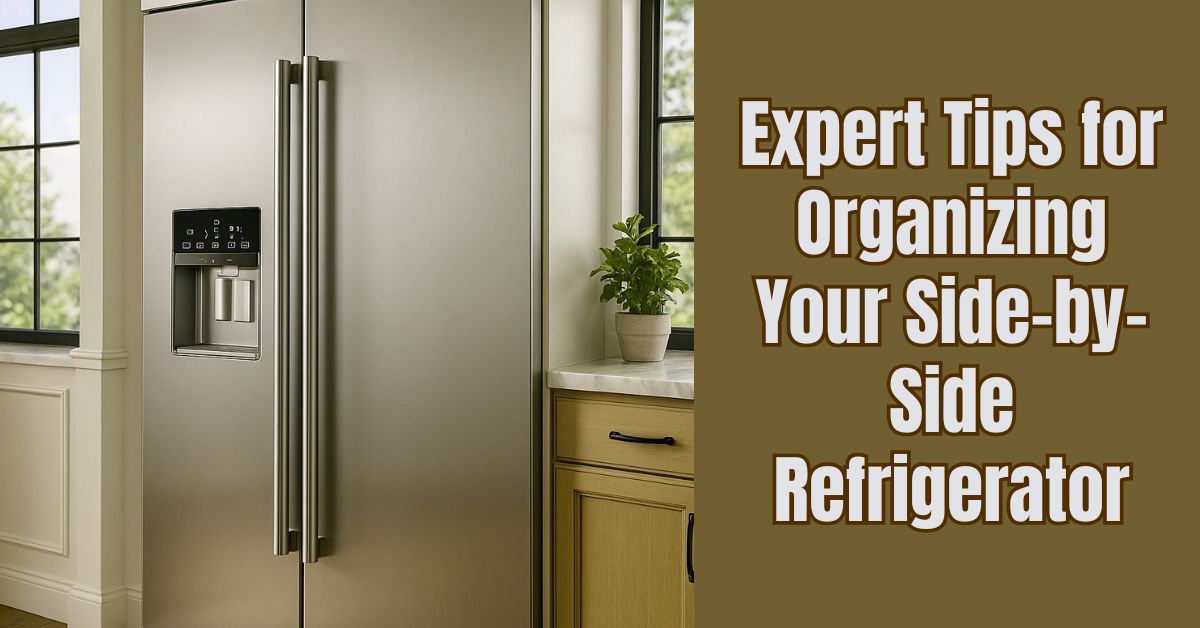
A side-by-side refrigerator is a staple in many kitchens due to its sleek design and the accessibility it offers to both the fridge and freezer sections. However, maintaining an organized side-by-side fridge can often feel like a challenge due to its narrow shelving and deep compartments. Whether you are dealing with a modest-sized fridge or a larger model, the key to maximizing your refrigerator’s efficiency lies in how you organize it.
Proper organization doesn’t just keep my fridge and freezer looking neat—it also helps my food stay fresh longer, cuts down on waste, and makes meal prep so much faster. In this article, I’ll walk you through the best strategies I use to organize a side-by-side fridge like a pro. I’ll also share my favorite products that have truly boosted my fridge’s storage and functionality.
Step 1: Clean Your Fridge Before Organizing
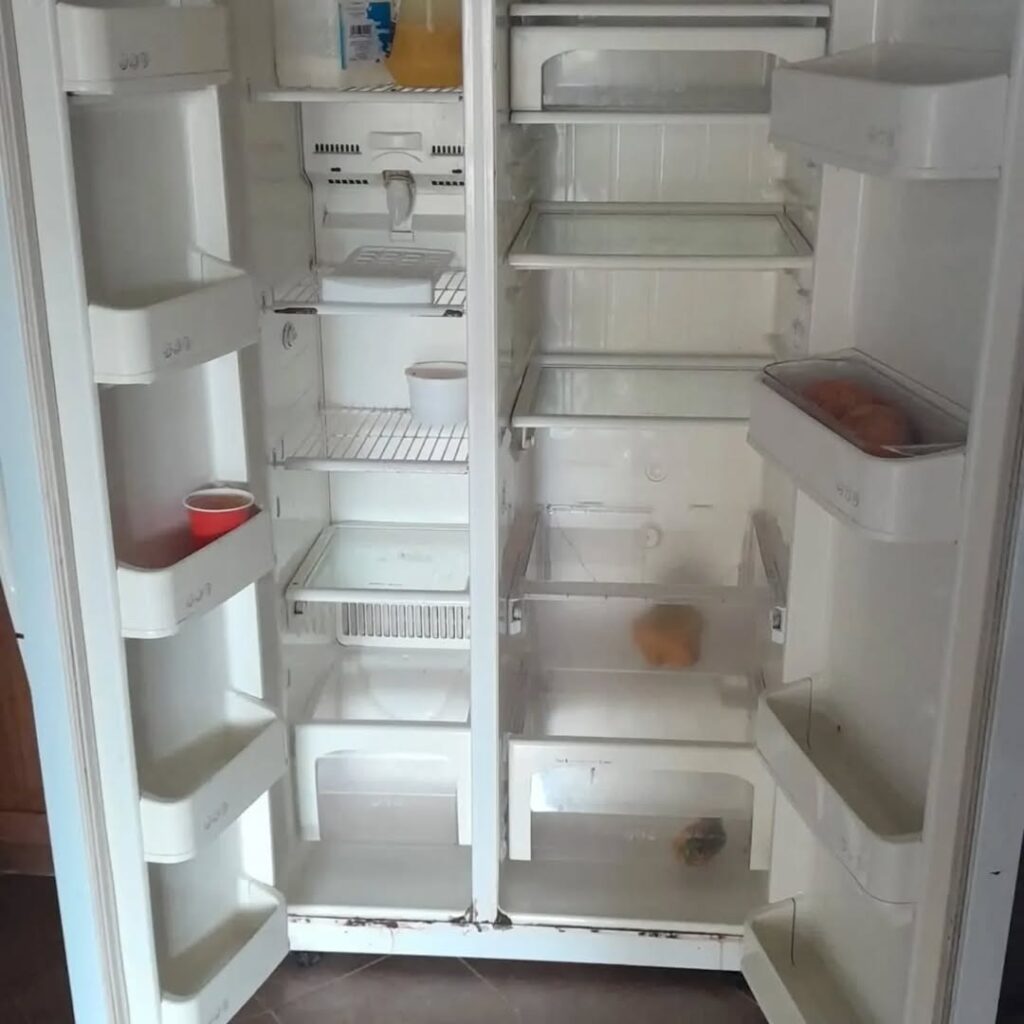
Photo Credit: @usedthings_empire
Before diving into the organization process, it’s important to start with a clean slate. A deep clean of both the fridge and freezer ensures that you’re not storing items on dirty surfaces and helps eliminate odors and bacteria that may have built up over time. Follow these steps to thoroughly clean your fridge:
- Empty the Fridge and Freezer:
Remove all the items from both the fridge and freezer. This will give you a chance to check expiration dates and remove any expired or unnecessary items. - Deep Clean the Interior:
Wipe down the shelves, walls, and drawers with warm water and a mild detergent. Pay special attention to any spills or stains that may have occurred, as they can attract bacteria. - Wash Removable Parts:
Take out all removable parts such as trays, bins, and shelves. Wash these with warm soapy water and dry them thoroughly before returning them to the fridge. - Clean the Exterior:
Don’t forget to clean the outside of the fridge as well, particularly the door handles and any visible surfaces. For stainless steel models, use a cleaner designed for stainless steel to avoid streaks. - Let It Dry:
After cleaning, allow the fridge to dry completely before starting the organizing process. This prevents moisture from interfering with the food and helps ensure better hygiene.
Once the fridge is spotless, you’re ready to begin the organization process!
Step 2: Categorize and Group Your Items
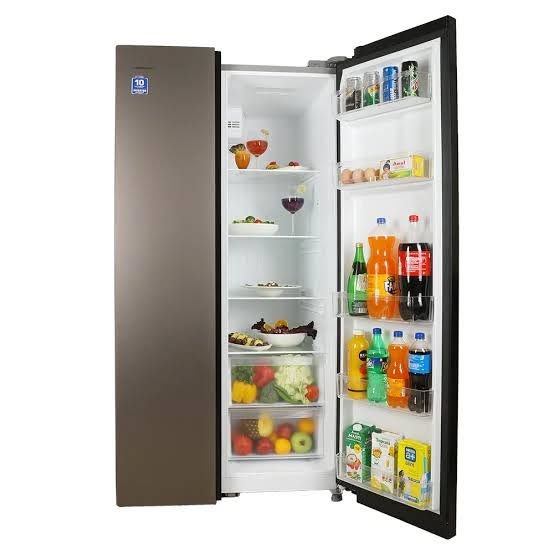
Photo Credit: @designersplanets
The foundation of fridge organization is categorization. By grouping like items together, you can avoid the frustration of rummaging through different sections of the fridge in search of a single item. This method also helps in storing items where they will stay fresh for the longest period.

Photo Credit: @idlivesimply
Here’s how you can categorize your fridge:
A. Door Bins: Store Non-Perishables
The door of your fridge is typically the warmest area, which is why it’s best for items with longer shelf lives. These items include:
- Condiments: Mustards, ketchup, mayonnaise, and sauces.
- Beverages: Bottled drinks like sodas, juices, or water.
- Butter and Margarine: Since they have a long shelf life at slightly warmer temperatures.
By keeping these items in the door, you’ll have easy access while also maximizing the fridge’s internal space.
B. Top Shelves: Ideal for Dairy and Beverages
The upper shelves are generally warmer than the lower shelves, making them perfect for items that don’t need to be stored in the coldest sections of the fridge. Consider storing:
- Dairy Products: Milk, yogurt, cheeses, and eggs.
- Ready-to-Eat Foods: Leftovers, deli meats, and prepared snacks.
- Drinks: Water bottles, juice boxes, or bottles of wine.
The top shelves are also good for items you frequently access, so putting drinks and daily use items here saves time.
C. Middle Shelves: Perfect for Produce and Snacks
The middle shelves are usually at a good temperature to store fruits and vegetables. You can place:
- Fruits and Vegetables: Keep in crisper bins for better humidity control.
- Snacks and Quick Meals: Items like fruit cups, snack boxes, or lunch items.
Group your produce by type, such as leafy greens, root vegetables, and fruits. This makes it easy to grab the right item when needed.
Step 3: Optimize Your Fridge Drawers

Photo Credit: @idlivesimply
The drawers in a side-by-side fridge are designed to provide specialized storage environments for your food. These compartments help control the humidity, which is crucial for preserving the freshness of fruits, vegetables, and certain deli items. Here’s how to use them effectively:
A. Crisper Drawers:
Crisper drawers are designed to keep produce fresh by maintaining the right level of humidity. Different fruits and vegetables require different humidity levels, so it’s important to use them wisely:
- High Humidity Drawer: Store fruits and vegetables with a high water content, such as lettuce, leafy greens, and berries.
- Low Humidity Drawer: Store items like apples, carrots, and peppers that require less moisture to stay fresh.
B. Deli Drawer:
The deli drawer is the perfect spot for perishable foods such as meats, cheeses, and other refrigerated items. This drawer is designed to keep these items at an optimal temperature, slowing down the deterioration process.
By designating specific areas for produce and deli items, you can avoid the mix-up of food types and ensure that everything stays fresh for a longer period.
Step 4: Organize the Freezer
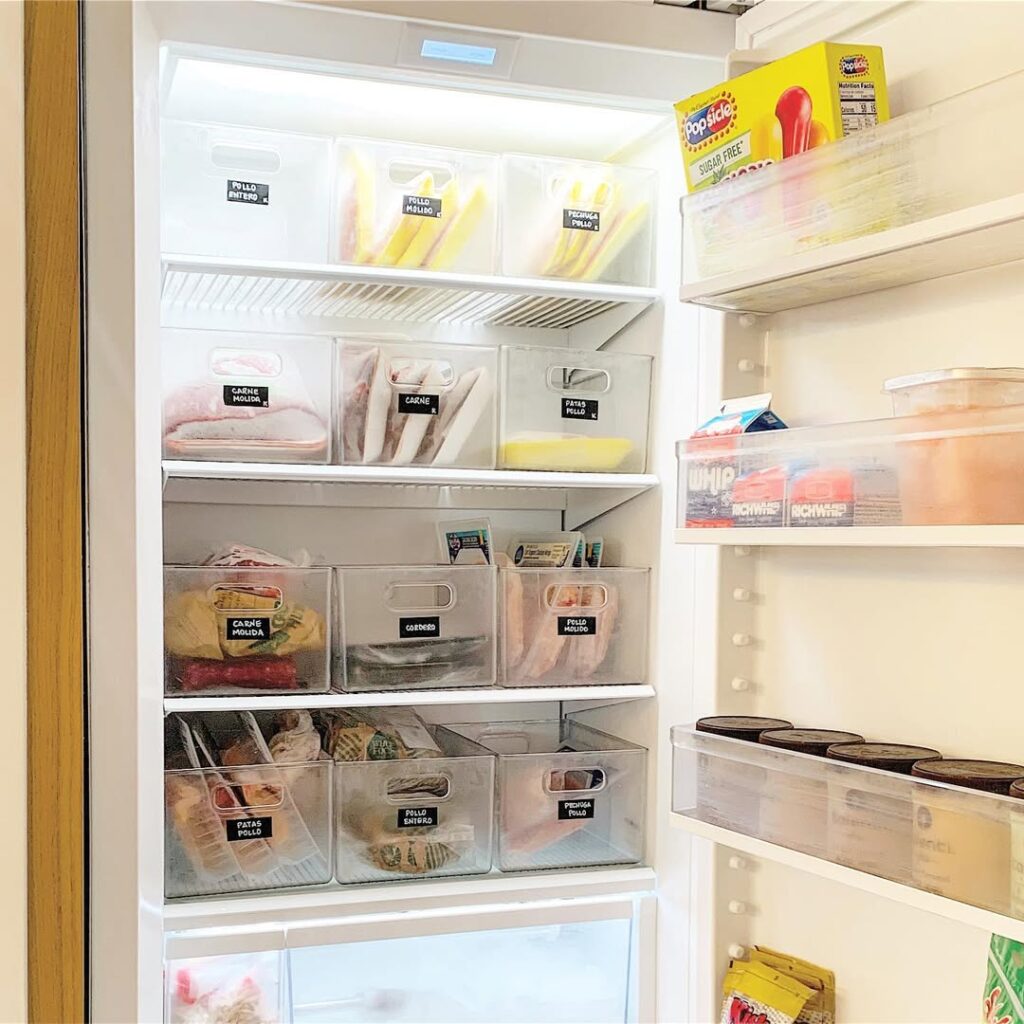
Photo Credit: @cindyology
Just like your fridge, the freezer section needs organization to keep it functioning efficiently. A disorganized freezer leads to a cluttered mess, where frozen foods can be easily forgotten, leading to waste. Follow these tips for an organized freezer:
- Use Bins and Containers:
Invest in stackable freezer bins or clear containers. These make it easier to store items and quickly find what you need without having to dig through the freezer. - Label Everything:
Label your frozen items with the date of freezing to help keep track of their shelf life. This also makes it easier to rotate food and use up older items before they expire. - Sort by Type:
Group similar items together in the freezer, such as frozen vegetables, frozen meals, meats, and desserts. Keep the most commonly used items in the most accessible parts of the freezer. - Don’t Overstuff the Freezer:
Avoid overfilling the freezer, as blocked vents can restrict air circulation and lead to uneven freezing. Ensure that there’s space for air to flow around the items for optimal freezing conditions.
2. Categorize and Group Items Effectively
A fundamental part of side-by-side refrigerator organization is grouping similar items together. This not only saves time but also reduces clutter. Here’s how you can categorize your fridge to create a systematic organization that anyone can follow:
Organize by Category
Consider grouping your food by category to make it easier to find what you need:
- Dairy Products: Store milk, cheese, butter, and yogurt together. These items usually need to be placed on the middle shelves, where the temperature remains relatively consistent.
- Condiments & Sauces: Place condiments such as ketchup, mustard, and salad dressings in the door. The door is typically the warmest part of the fridge, so these items, which are less sensitive to temperature fluctuations, will do fine there.
- Prepared Foods & Leftovers: Keep your pre-cooked meals, leftovers, or ready-to-eat foods on the top shelves. These are more likely to be used quickly, so it’s efficient to have them in an easily accessible spot.
- Fruits and Vegetables: For the best freshness, store your fruits and vegetables in the drawers. The crisper drawers help maintain the right humidity levels for each type of produce. You can optimize this by organizing fruits that require high humidity (e.g., berries, leafy greens) and vegetables that thrive in lower humidity (e.g., bell peppers, carrots).
- Meat and Fish: These should be stored at the bottom, in the coldest part of the fridge. If your fridge has a separate deli drawer, this is ideal for meats and cheeses that need to stay fresh.
Utilize Bins, Dividers, and Labels
To prevent items from being scattered or hard to locate, invest in organizing tools like bins, drawer dividers, and labels. These tools help categorize food within the fridge and ensure everything is easy to find.
- Bins are perfect for grouping similar items together. You can have one for condiments, another for snacks, and even a dedicated bin for kids’ food items.
- Dividers in drawers or on shelves can help prevent foods from mixing, especially if you have a lot of small items like cheese slices, sauces, or packaged snacks.
- Labels can be a lifesaver for keeping track of expiry dates or identifying what’s inside bins and containers, especially when multiple family members use the fridge.
Adjust Shelf Heights
Side-by-side fridges often allow you to adjust the height of shelves. Take advantage of this feature by customizing the fridge’s interior to fit the items you use most frequently.
- For example, you might want to adjust the top shelves to accommodate taller bottles of juice or milk, while lower shelves can be reserved for smaller containers or delicate items like eggs.
- Consider leaving some spaces for bulkier items like large condiment bottles or large trays of leftovers that can’t easily fit into a standard-sized bin.
By keeping categories together and adjusting the fridge layout to suit your needs, you’ll not only keep your fridge organized, but also streamline meal preparation by knowing exactly where everything is.
3. Maximize the Use of Your Freezer Space
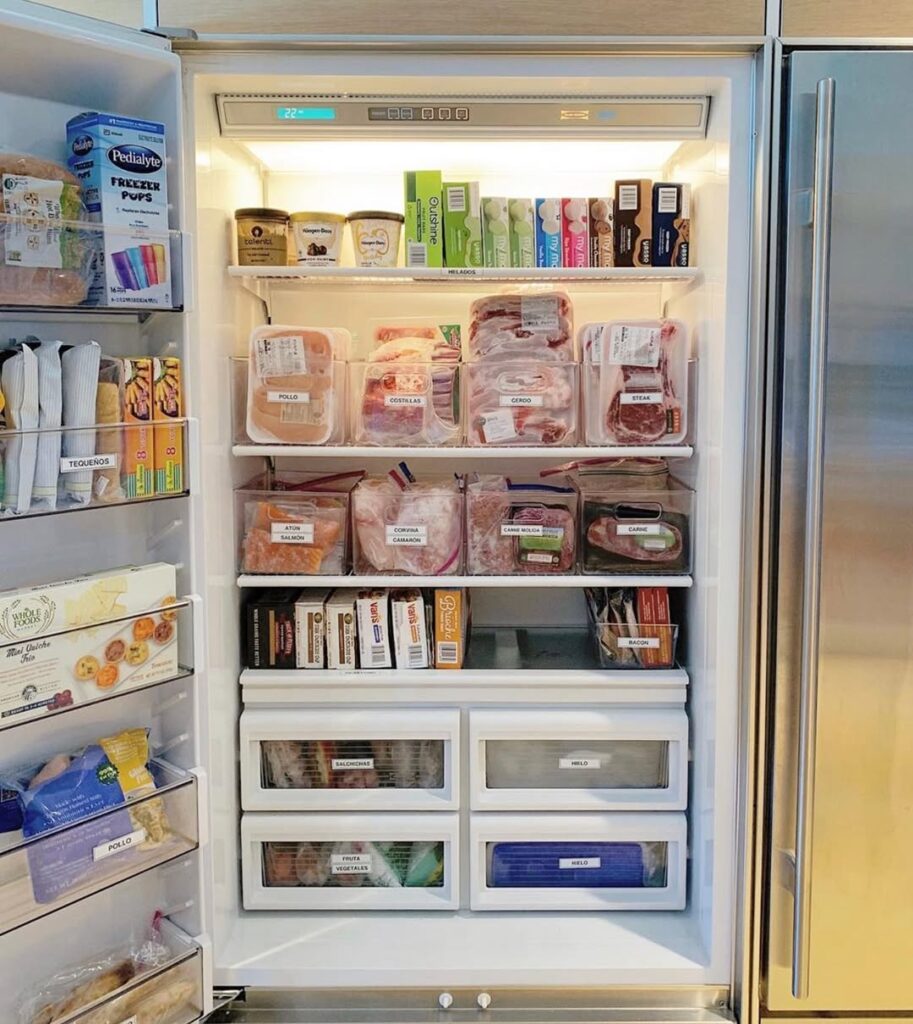
Photo Credit: @cindyology
The freezer in a side-by-side fridge often ends up underutilized, especially if you don’t have a system in place. With a bit of organization, you can transform your freezer into a highly efficient space, preventing overcrowding and reducing food waste.
Organize by Type and Frequency of Use
Freezer organization is crucial because it can be hard to find frozen items when everything is just stacked on top of each other. Start by sorting frozen food by category:
- Frozen Meat and Fish: Place these items in the bottom section of the freezer. It’s often the coldest part, and having meat and fish at the bottom ensures they stay fresh. Use clear bins or baskets to keep them organized.
- Frozen Vegetables & Fruits: Use separate bins for fruits and vegetables to prevent them from mixing and becoming difficult to identify. Place these in the middle section where temperatures are steady.
- Prepared Meals & Leftovers: If you freeze meals or leftovers for future use, group them in labeled containers or bags. Use stackable bins for a neat and organized layout.
- Frozen Snacks & Treats: If you store frozen snacks or ice cream, keep them in a designated spot at the top or in a separate bin. This will prevent you from having to dig through everything to find what you need.
Use Clear, Stackable Containers
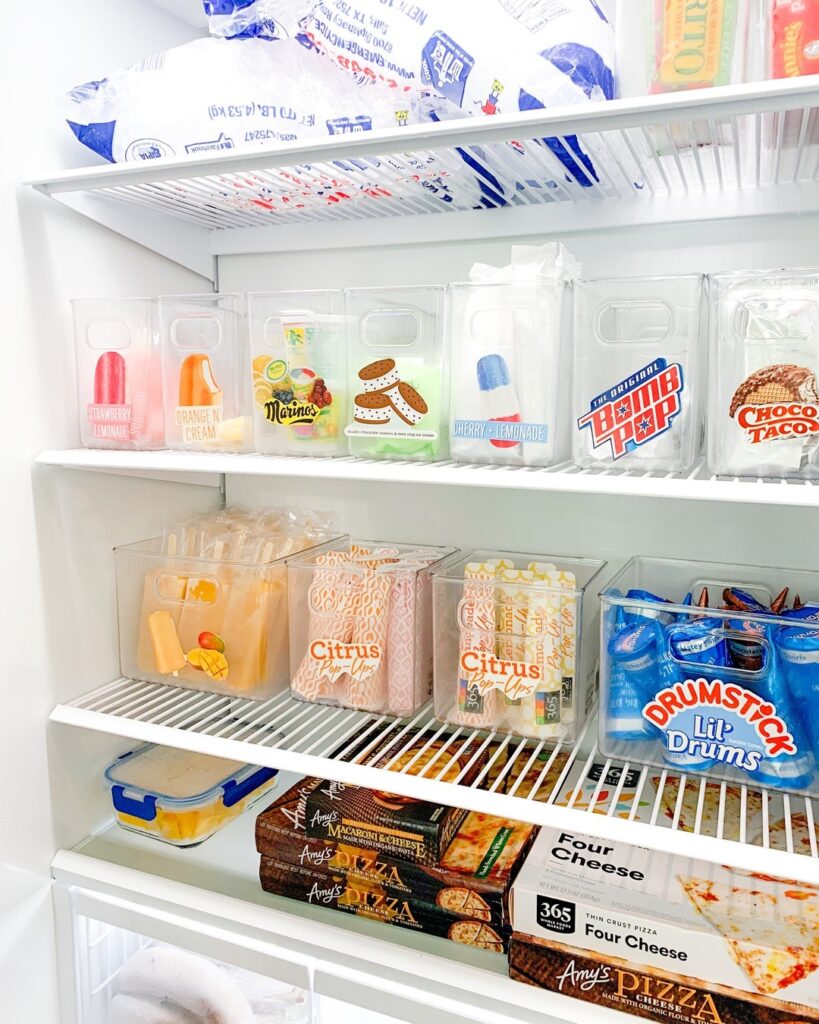
Photo Credit: @dallashighlandparkneat
One of the most effective ways to maximize freezer space is by using stackable, transparent containers. These containers not only allow you to see what’s inside but also help you organize items more efficiently. By stacking containers, you can create vertical space and prevent items from becoming buried at the bottom of the freezer.
- Plastic Freezer Bins: These are ideal for organizing smaller items like bags of frozen fruits, vegetables, or individual servings of frozen meals.
- Ziplock Bags: For things like frozen berries, portions of meat, or even homemade ice pops, ziplock bags are an excellent choice. Label each bag with the contents and the date it was frozen.
- Labeled Boxes: If you have larger items to freeze (like pizza or big cuts of meat), consider using large labeled boxes or bins to keep everything organized and easily accessible.
Regularly Check and Rotate Items
To prevent freezer burn and ensure that your food remains in top condition, practice the FIFO method (First In, First Out). Every time you add new frozen goods, make sure you rotate older items to the front. This way, you’re more likely to use them before they spoil. Regularly checking the freezer will also help you identify any items that may have been forgotten or need to be used soon.
Avoid Overpacking the Freezer
While it may seem like a good idea to fill every available space in the freezer, it’s important to avoid overcrowding. Air circulation is key to maintaining the proper freezing temperature, so try not to overpack your freezer. Leave some space for air to circulate freely to ensure that the freezer operates at optimal efficiency.
4. Invest in Organizational Tools for Side-by-Side Fridges
Using the right tools can transform a chaotic refrigerator into a model of efficiency. Here’s a guide to some of the most effective products that can help you organize your side-by-side fridge:
Bins and Baskets for Grouping Items
- Clear Bins: Clear bins allow you to see what’s inside without having to open them. These bins are perfect for grouping similar items such as snacks, condiments, or dairy products. You can use stackable bins for a more compact organization system.
- Baskets: Baskets can be a game-changer, especially for smaller items that tend to get lost on shelves. Use baskets for things like single-serve yogurts, cheese packs, or even kids’ snacks. They help keep everything in one place and prevent food from getting shoved to the back.
Adjustable Drawer Dividers
If your side-by-side fridge has drawers, make use of adjustable drawer dividers. These dividers allow you to organize food in drawers without mixing different types of items. For instance:
- Use dividers to separate fruits from vegetables.
- Organize cheeses, deli meats, or packaged salads.
- Create sections for leftovers and ready-to-eat foods.
Drawer dividers can help maintain a clean and organized space by preventing items from shifting around.
Turntables for Easy Access
Turntables or lazy Susans are perfect for condiments, sauces, and smaller bottles. They’re ideal for the fridge door, where space is often underutilized. By using a turntable, you can access all your condiments without having to pull everything out. No more digging through the back to find the ketchup!
Turntables are also great for grouping similar items together, like jams, dressings, and marinades. With a simple turn, you can access everything on the shelf without making a mess.
Fridge Organizers with Lids for Better Storage
Look for fridge organizers that come with lids, especially if you’re storing small items or pre-cut fruits and vegetables. Lidded bins keep food fresh and are stackable, which makes them great for maximizing vertical space in your fridge. You can use these bins for organizing berries, cheese slices, or cut vegetables, preventing spills and keeping everything neatly contained.
Egg Holders for Easy Access
An egg holder can be a lifesaver for keeping your eggs organized and easy to access. Some egg holders are stackable, allowing you to store more eggs without taking up too much space. In addition, you won’t have to worry about eggs rolling around or cracking when you open and close the fridge.
Labeling Products for Clear Identification
Labeling your bins, containers, and shelves can help make sure everyone in the household knows where things go. Labels also make it easier to identify food by its expiration date. Label products like condiments, leftovers, and even fresh produce to ensure proper rotation and use.
5. Maintain an Organized Side-by-Side Refrigerator with Regular Upkeep
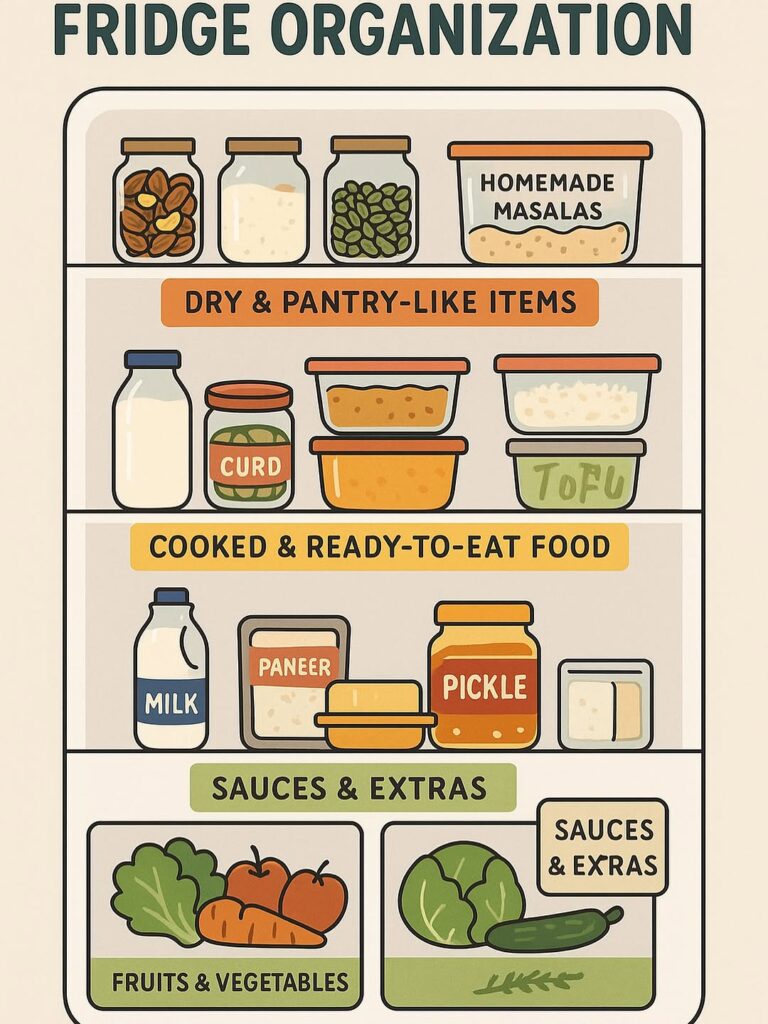
Photo Credit: @mums_great_life
While initial organization is key, maintaining that order requires ongoing attention. Here are some tips to help you keep your side-by-side fridge consistently tidy and functional:
Weekly Cleaning and Purging
It’s important to stay on top of cleaning and purging to keep the fridge organized over time. A quick weekly clean-up can go a long way in maintaining order and preventing the accumulation of spoiled or expired food.
- Remove Expired Items: Take a few minutes each week to go through your fridge and toss out any expired or unused food. This prevents a build-up of waste and makes room for fresh groceries.
- Wipe Down Shelves and Drawers: Regularly wipe down the shelves and drawers to remove any spills or crumbs. Doing this weekly will keep things looking fresh and prevent odors from lingering in the fridge.
- Check Your Stock: Take stock of what you have in your fridge. This helps avoid over-purchasing and ensures you don’t let food go to waste.
Stay on Top of Restocking
Keep a running list of what you’re running low on, and restock it during your regular grocery trips. This helps you maintain the balance in your fridge, ensuring that nothing gets pushed to the back or forgotten.
- Use a “Eat First” Bin: To prevent items from expiring, create a designated “eat first” bin where you place foods that need to be used soon. Check this bin regularly and incorporate these items into your weekly meal plans.
- Grocery List Organization: As you make your grocery list, ensure that it’s based on what’s already in your fridge and what you need to restock. This minimizes food waste and prevents your fridge from becoming overcrowded.
Rotate Items Using FIFO (First In, First Out)
The FIFO method, as mentioned earlier, is key for keeping your fridge organized and reducing food waste. When you add new items to the fridge, place them behind the older items so that they are used first. This is particularly important for items like dairy, meat, and leftovers that have a limited shelf life.
Regularly Reevaluate Your Organization System
As your fridge usage changes over time, you may find that certain areas need to be reorganized. It’s important to periodically reassess your fridge organization system to ensure it still meets your needs. Maybe your family now uses more dairy products or you’ve started meal prepping—rearranging your fridge based on your evolving needs will keep everything running smoothly.
- Seasonal Adjustments: During the summer, you might store more fruits and veggies, while in the winter, frozen meals might take up more space. Adjust your fridge organization accordingly.
- Adjust as You Add New Items: New products, such as larger containers of milk or fresh herbs, may require small adjustments to your existing organization strategy. Stay flexible and be willing to change the arrangement as needed.
Educate Your Family on the Organization System
If you share your fridge with others, it’s essential to educate your family members or roommates on the organization system. Labeling shelves and bins and creating a clear structure will make it easier for everyone to follow the system and maintain order. A family or household-wide commitment to fridge organization will ensure that it stays neat and functional for everyone.
Related Read: 18 Smart Kitchen Appliance Garage Ideas for Ultimate Organization
Conclusion
Organizing a side-by-side refrigerator isn’t just about aesthetics—it’s about functionality, efficiency, and making sure you’re getting the most out of your appliance. By cleaning regularly, investing in organizational tools, and creating a system that works for you, you can transform your fridge into a well-organized space that makes food prep and storage a breeze. With some regular upkeep and minor adjustments as your needs change, your fridge will remain neat, functional, and easy to navigate for years to come.