

Moisture is the silent enemy of every RV owner. Whether you’re camping in the humid Southeast, wintering in the Pacific Northwest, or taking a coastal road trip, excess humidity can wreak havoc on your RV interior. From foggy windows and musty odors to full-blown mold growth, condensation is a real problem that goes beyond discomfort—it can damage your walls, furniture, and even electrical systems.
That’s where RV dehumidifiers come in. They’re not just a luxury—they’re an essential tool to protect your investment and keep your living space healthy and comfortable. In this comprehensive guide, I’ll break down everything you need to know:
- Why moisture control matters for RVers
- How dehumidifiers work and the types available
- Key features to consider before buying
- A curated list of the best RV dehumidifiers for different needs and budgets
- Bonus: Pro tips to reduce humidity even without a dehumidifier
This isn’t just another product roundup. I’ll also share practical insights most guides overlook—like power considerations for boondocking, alternative solutions when you’re off-grid, and maintenance tricks for long-term efficiency.
Contents
- 1 Why Moisture is a Big Deal in RVs?
- 2 How Dehumidifiers Help
- 3 Key Buying Factors: What to Look for in an RV Dehumidifier
- 4 Best RV Dehumidifiers: Top Picks for 2025
- 5 How to Choose the Right RV Dehumidifier?
- 6 How to Reduce RV Humidity Without a Dehumidifier?
- 7 Maintenance Tips & Common Mistakes to Avoid
Why Moisture is a Big Deal in RVs?

Photo Credit: @chasingtabor
When you think about it, RVs are basically sealed boxes. Cooking, showering, propane heating—even breathing—introduces moisture into this confined space. Without proper ventilation and humidity control, that moisture has nowhere to go.
The Risks of Ignoring Humidity:
- Mold and Mildew Growth: Warm, damp areas create the perfect breeding ground for mold.
- Structural Damage: Prolonged exposure to moisture can warp wood panels and delaminate walls.
- Health Concerns: Excess humidity aggravates allergies and respiratory issues.
- Corrosion: Moisture can corrode electrical components and metal fittings.
Keeping humidity levels under 45–50% inside your RV is crucial for avoiding these problems.
How Dehumidifiers Help
A dehumidifier works by pulling in moist air, removing the water vapor, and then releasing dry air back into your RV. The collected water is stored in a tank (or drained via a hose in some models).
There are two main types of RV dehumidifiers, and understanding the difference is essential before buying.
Types of RV Dehumidifiers
1. Desiccant Dehumidifiers
- Use moisture-absorbing material to trap water from the air.
- Pros: Lightweight, energy-efficient, works in cooler temps.
- Cons: Best for small spaces (closets, cabinets), not ideal for whole-RV humidity control.
2. Refrigerant (Compressor-Based) Dehumidifiers
- Use cooling coils to condense water vapor into liquid.
- Pros: Powerful, great for large RV spaces.
- Cons: Heavier, consumes more power, less efficient in very cold conditions.
My Recommendation: For full RV use, a refrigerant model or a high-capacity thermoelectric unit is the best option. For cabinets or wardrobes, pair it with desiccant moisture absorbers.
Key Buying Factors: What to Look for in an RV Dehumidifier
Buying the biggest unit you can afford isn’t always the best strategy. Consider these factors before you hit “Add to Cart”:
- Coverage Area: Match the unit’s rated square footage to your RV size.
- Water Tank Size: Larger tanks mean fewer emptying trips, but heavier when full.
- Extraction Rate: How much water the unit can remove per day. Look for at least 8–20 oz/day for small RVs, more for large rigs.
- Power Source: Most units need 110V AC power. If you boondock often, check if the model has a 12V adapter or low-watt option.
- Portability: Smaller units are easier to move between kitchen, bathroom, and bedroom.
- Noise Level: Look for units under 50 dB for quiet operation.
- Auto Shutoff: Prevents overflow when the tank is full.
- Extra Features: Digital humidity display, drain hose option, timer, washable filter.
Pro Tip: Always measure your humidity using a hygrometer. They’re cheap and help you track progress. Aim for 35–50% relative humidity for comfort and safety.
Best RV Dehumidifiers: Top Picks for 2025
After testing and reviewing dozens of options, I’ve narrowed down the best RV dehumidifiers based on performance, portability, and value for money. Below is a detailed comparison table to help you choose the right fit for your RV.
Comparison Table: Best Dehumidifiers for RVs
| Model | Coverage Area | Water Removal (per day) | Tank Capacity | Power Use | Noise Level | Special Features |
|---|---|---|---|---|---|---|
| Pro Breeze Electric Mini (1200) | Up to 150 sq ft | 9 oz | 16 oz | 23W | ~40 dB | Auto shutoff, compact |
| Pro Breeze Electric Mini (2200) | Up to 250 sq ft | 18 oz | 52 oz | 40W | ~42 dB | Large tank, quiet |
| hOmeLabs Small Space | Up to 150 sq ft | 9 oz | 16 oz | 22W | ~35 dB | Removable grill, easy clean |
| Ivation IVADM35 Thermo-Electric | Up to 215 sq ft | 20 oz | 68 oz | 72W | ~45 dB | Continuous drain option |
| Eva-Dry EDV-1100 | Up to 110 sq ft | 8 oz | 16 oz | 22W | ~33 dB | Budget-friendly, ultra quiet |
Top Recommendations
1. Best Overall: Pro Breeze Electric Mini (1200 Cubic Feet)

If you’re after a balance of compact size, quiet operation, and effective moisture removal, this is your go-to. Perfect for small to mid-sized RVs (up to 150 sq ft), it removes about 9 oz of water daily and shuts off automatically when full. At just 2.5 lbs, it’s incredibly portable and draws only 23 watts—great for shore power use.
Why I Love It:
- Lightweight and easy to move around.
- Simple one-button operation.
- Whisper-quiet thermoelectric cooling.
2. Best for Large RVs: Pro Breeze Electric Mini (2200 Cubic Feet)
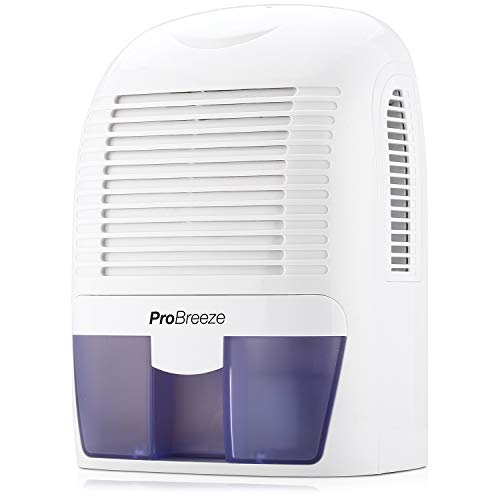
Got a big rig or Class A motorhome? The 2200 model doubles the power of its smaller sibling, handling up to 250 sq ft and pulling 18 oz of moisture daily. With a 52 oz tank, you can go almost three days without emptying it.
Highlights:
- Large tank = less frequent maintenance.
- Same energy-efficient, quiet design.
- Ideal for full-timers or humid climates.
3. Best Budget Buy: hOmeLabs Small Space Dehumidifier
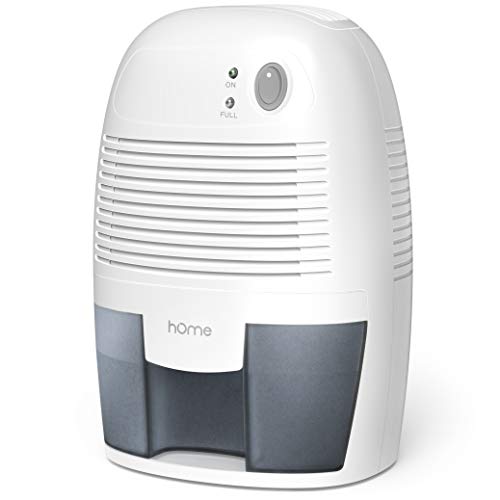
For those on a budget, this hOmeLabs unit is a solid pick. It’s small but effective, handling spaces up to 150 sq ft. A standout feature is its removable grill, which makes cleaning easier and ensures fresh, allergen-free air.
Best For: Weekend warriors or part-time RVers who want moisture control without breaking the bank.
4. Most Powerful: Ivation IVADM35 Thermo-Electric

If you want a step-up in capacity, the Ivation IVADM35 is worth considering. With a 68 oz tank and an option for continuous drainage, it’s perfect for extended stays in high-humidity areas. Great for serious full-timers or those camping in coastal climates.
5. Best Ultra-Quiet Option: Eva-Dry EDV-1100

If you sleep light or hate background noise, this ultra-quiet model is for you. It’s budget-friendly and great for small spaces like a bathroom or closet inside your RV.
Pro Tip: If you travel through a variety of climates, consider owning two smaller dehumidifiers instead of one large unit. This way, you can place them in problem areas like the bathroom and kitchen for targeted humidity control.
How to Choose the Right RV Dehumidifier?

Photo Credit: @10ways
Not all RV setups are the same. A full-time RVer in Florida will have different needs than a weekend camper in Arizona. Picking the right dehumidifier involves considering size, power availability, and your camping style.
1. Size & Coverage Area
Your RV size dictates how powerful your dehumidifier should be:
- Small RVs & Travel Trailers (Under 150 sq ft): A compact unit like the Pro Breeze 1200 or Eva-Dry EDV-1100 will do the job.
- Medium RVs (150–250 sq ft): Opt for a mid-range unit such as the Pro Breeze 2200 or hOmeLabs Small Space.
- Large Class A Motorhomes (250+ sq ft): Consider two smaller units or a high-capacity model like the Ivation IVADM35 for even coverage.
Pro Tip: Instead of buying the largest unit, target high-moisture areas (kitchen, bathroom, sleeping area) with smaller, portable dehumidifiers.
2. Power Source: Shore Power vs. Boondocking
Most RV dehumidifiers run on 110V AC power and consume anywhere from 20–75 watts. For campers who always stay at RV parks with hookups, this is a non-issue. But if you boondock or dry camp, power becomes critical.
Off-Grid Options
- Low-Wattage Thermoelectric Units: Use less energy but are less powerful. Good for maintaining humidity, not rapid drying.
- 12V Adapters: Some models offer 12V compatibility for RV battery systems.
- Moisture Absorbers: Great backup solution when you want zero power draw (more on this later).
3. Climate Considerations
Humidity levels vary dramatically by region. Here’s what to keep in mind:
- Hot & Humid Areas (Florida, Gulf Coast): Go for a powerful unit with a large tank. Expect to empty it daily during summer.
- Cold & Damp Areas (Pacific Northwest): A desiccant dehumidifier or thermoelectric unit works better than a compressor in colder temps.
- Dry Regions (Arizona, Nevada): You may not need a dehumidifier year-round. Use it mainly when heating indoors or during rainy spells.
4. Noise Levels & Placement
Most RV dehumidifiers run between 30–50 dB, similar to a quiet fan. For light sleepers:
- Avoid placing the unit near the bed.
- Look for models marketed as “ultra-quiet” like the Eva-Dry EDV-1100.
5. Drainage & Maintenance
- Tank Size: Larger tanks = less frequent emptying but more weight when full.
- Continuous Drainage Option: Great for long stays at a park (requires a nearby sink or drain).
- Filter Cleaning: Wash filters every few weeks to maintain efficiency.
RV-Friendly Features Checklist
Before you buy, make sure your unit includes:
- Auto shutoff when the tank is full
- Indicator light for full tank
- Lightweight and portable design
- Energy-efficient operation
- Optional hose for continuous drain (if you stay hooked up often)
How to Reduce RV Humidity Without a Dehumidifier?

Photo Credit: @kitchensolution
While a good dehumidifier is your first line of defense, sometimes you’ll need backup strategies—especially if you’re boondocking and want to conserve power. These methods can significantly reduce moisture without relying on electricity.
1. Improve Airflow
The easiest way to control moisture is to keep air moving:
- Install Roof Vent Fans: Models like MaxxAir 6200k or Fantastic Fan help exhaust humid air.
- Create a Cross-Breeze: Open windows on opposite sides of the RV for at least 15–20 minutes a day.
- Run 12V Fans: Low-power fans keep air circulating even when windows are closed.
2. Use Moisture Absorbers
Place desiccant packs or moisture-absorbing crystals in small spaces like closets, cabinets, and under beds. Popular options:
- DampRid Hanging Bags
- Eva-Dry Renewable Mini Units (can be recharged)
These require no power and are great for preventing musty smells in tight spaces.
3. Control Cooking & Shower Moisture
- Always use exhaust fans when cooking or showering.
- Keep pot lids on while boiling water.
- After showers, wipe down wet surfaces and leave the bathroom door open with the fan running.
4. Heat Smart
Did you know propane heaters produce water vapor as a byproduct? If possible:
- Use electric heaters when on shore power.
- Ventilate the RV while using propane heat to prevent condensation buildup.
5. Dry Wet Items Outside
Wet clothes, towels, and even gear should be dried outdoors when possible. Drying them inside will spike your humidity levels.
6. Ventilate Fabrics
Bedding, cushions, and mattresses trap moisture easily.
- Use slatted bed frames or a ventilation mat under your mattress.
- Pull cushions away from walls to allow airflow.
- Occasionally open closets and storage areas.
7. Monitor Humidity with a Hygrometer
This small, inexpensive tool tells you when to act. Aim to keep your RV’s humidity below 45% for maximum comfort and mold prevention.
Quick Checklist for Non-Power Moisture Control
- Open windows daily
- Run roof fans when possible
- Use moisture absorbers in storage
- Wipe down wet surfaces
- Ventilate fabrics and hidden spaces
When to Combine These Methods with a Dehumidifier
Even with these strategies, some climates—like the Gulf Coast in summer or Oregon during winter—demand a dehumidifier. Use these hacks as supporting measures to reduce strain on your device and prolong its lifespan.
Maintenance Tips & Common Mistakes to Avoid
Owning a dehumidifier is only half the battle—keeping it efficient ensures it lasts longer and performs well during your RV trips.
Maintenance Tips
- Empty the Tank Regularly: Even models with auto shutoff should be emptied daily in humid climates.
- Clean the Air Filter: Wash or replace filters every 2–4 weeks to maintain airflow and prevent mold growth inside the unit.
- Inspect for Mineral Build-Up: If you’re in an area with hard water, clean the reservoir with a vinegar solution occasionally.
- Check the Power Cord & Connections: Vibrations during travel can loosen plugs—make sure everything is secure before powering up.
- Store Properly When Not in Use: Dry the unit completely and store it in a cool, dust-free area to prevent mildew inside.
Common Mistakes RV Owners Make
- Buying the Biggest Unit Available: Oversized dehumidifiers draw more power without significantly improving performance in small RVs.
- Running on Battery Power: Most units are power-hungry—avoid draining your RV batteries unless you have a large solar setup.
- Ignoring Humidity Levels: Without a hygrometer, you’re guessing. Tracking levels helps prevent overuse and saves energy.
- Neglecting Ventilation: A dehumidifier can’t do all the work—airflow is still critical.
- Forgetting Drainage Solutions: If you camp long-term, set up a continuous drain option to avoid constant emptying.
Before You Buy: Quick Checklist
- Does it cover your RV’s square footage?
- Will it fit in your desired location?
- Do you have shore power or need low-watt options?
- Does it include an auto shutoff and optional drainage?
- Is noise level a concern?
The Bottom Line
Humidity has no place in your RV! Whether you’re parked by the beach, exploring rain-soaked forests, or winter camping, the right dehumidifier will protect your home-on-wheels from mold, mildew, and discomfort. Pair your dehumidifier with good ventilation and moisture-control habits for the best results.
Ready to make your RV more comfortable? Check the latest prices on our top picks and enjoy a drier, healthier living space on your next adventure.