

Camping offers a unique opportunity to reconnect with nature, escape from daily life, and immerse yourself in the tranquility of the great outdoors. Whether you’re planning a solo retreat, a family adventure, or a romantic weekend getaway, your campsite setup plays a pivotal role in ensuring comfort, safety, and enjoyment.
A well-planned camping setup can transform a standard outdoor experience into an unforgettable adventure. In this comprehensive guide, I’ll cover everything from selecting the perfect campsite to optimizing your gear and creating a cozy, organized space. Whether you’re a beginner or a seasoned camper, these tips will elevate your outdoor experience.
Contents
- 1 Choosing the Right Campsite: Key Factors for an Ideal Setup
- 2 Camping Setup for Beginners: Keep It Simple and Comfortable
- 3 Camping Setup for Families: Space, Organization, and Fun
- 4 Camping Setup for Couples: Romance, Comfort, and Connection
- 5 Campfire Cooking Tips and Recipes
- 6 Essential Campfire Safety and Cleanup Tips
- 7 Packing and Organizing Your Cooking Gear
Choosing the Right Campsite: Key Factors for an Ideal Setup

Photo Credit: @redpixel.gallery
Selecting the right campsite is the first step toward a successful camping trip. Your choice of location influences the entire experience, from comfort to safety, and can make or break your camping adventure. Here’s what you need to consider when scouting for your perfect camping spot:
Types of Campsites
- Developed Campgrounds
Developed campsites are ideal for beginners or those who prefer the comfort of modern amenities. These campsites often offer amenities like:
- Flush toilets and showers
- Potable water sources
- Picnic tables and fire pits
- Trash disposal services
These facilities make camping more comfortable, especially for families, ensuring easy access to essential needs.
- Flush toilets and showers
- Backcountry or Primitive Campsites
For a more rugged and secluded experience, backcountry campsites offer solitude and immersion in nature. These sites are often farther from civilization, requiring campers to be more self-reliant. You’ll need to carry all your supplies and sometimes apply for permits. While these campsites may lack modern amenities, they provide a more authentic, off-the-beaten-path camping experience.
Factors to Consider When Choosing Your Campsite Location

Photo Credit: @bulli.vanlife.adventure
1. Shade vs. Sun Exposure
When selecting a campsite, consider the weather conditions you’ll be facing. If you’re camping in warmer weather, choosing a shaded area can help you stay cool. Look for areas with tall, healthy trees that can provide shelter from the sun, but avoid camping directly beneath unstable branches that could fall. In cooler climates, you might prefer a sunny spot to help keep your tent warm.
2. Proximity to Water Sources
Camping near a water source, such as a river, stream, or lake, can be incredibly convenient for washing and water refills. However, you should consider the presence of insects, particularly mosquitoes, which tend to thrive near water. Always carry a water filtration system, as untreated water from natural sources may be contaminated.
3. Ground Type and Terrain
A smooth, flat area is ideal for pitching a tent. Avoid rocky, uneven, or sloped areas that can cause discomfort while sleeping or setting up camp. Take the time to clear any debris such as twigs or rocks from your campsite to create a level, safe space for your tent.
4. Distance from Amenities
If you’re camping in a developed campground, balance your need for privacy with convenience. Being too close to amenities like restrooms or the parking lot can lead to noise and foot traffic, while being too far can make your stay less convenient. Find a location that allows easy access to facilities without compromising peace and quiet.
5. Privacy and Space
Many campgrounds can feel crowded, especially during peak seasons. Look for campsites that offer natural barriers, like bushes or trees, to give you some privacy. If you’re camping with family or friends, consider reserving multiple adjacent sites for added space and comfort.
Environmental Considerations and Regulations
Always be mindful of local regulations and environmental protections when setting up camp. Different areas may have restrictions on where you can set up your tent, build a fire, or store food. Research these regulations ahead of time to avoid violations and ensure the preservation of the environment for future campers.
Respect the principles of “Leave No Trace” camping, which emphasize minimizing your impact on the environment. Clean up all trash, avoid disturbing wildlife, and use environmentally friendly products whenever possible.
Camping Setup for Beginners: Keep It Simple and Comfortable

Photo Credit: @4wd_supacentre
Starting with the essentials will set you up for a successful and enjoyable first camping experience. As a beginner, it’s important not to overwhelm yourself with unnecessary gear. Focus on the basics—quality items that provide comfort and reliability—and upgrade as you gain more experience.
Start Simple: Essentials for Beginners
Here’s a checklist of must-have camping gear for those just starting:
- Tent
A good tent provides protection from the elements and ensures a comfortable night’s sleep. Look for tents that are easy to set up, with weather-resistant features to keep you dry. Opt for a tent with adequate space, ventilation, and a waterproof floor. Many tents for beginners come with color-coded poles, making setup quick and hassle-free.
Stay dry and comfy—get the Coleman Sundome Tent for fast setup and reliable shelter on any camping adventure!

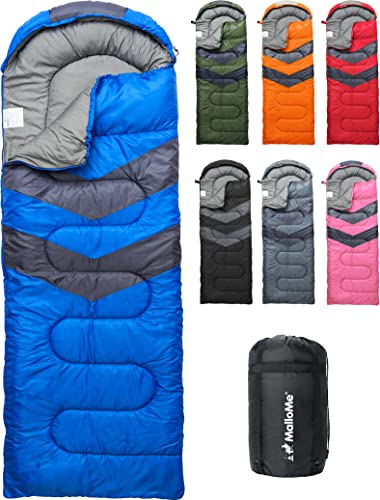
2. Sleeping Bag and Pad
Your sleeping bag should be rated for the season to ensure warmth during the night. In addition, a sleeping pad will add comfort and insulation by preventing heat loss to the ground. Consider inflatable sleeping pads for extra comfort and portability.
Sleep warm and comfortably—grab an insulated sleeping bag and pad for a cozy night under the stars!
3. Cooking Gear
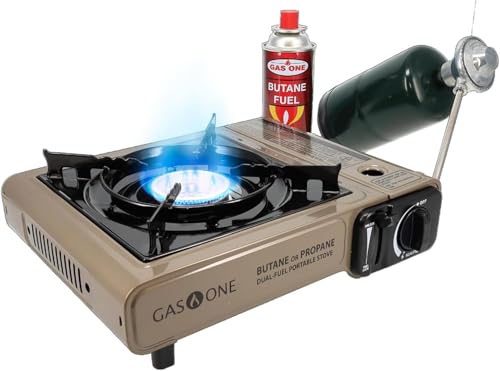
For simple meals, a compact camp stove is sufficient. You can use a single-burner stove for boiling water or cooking basic meals. Pair it with lightweight cookware, like a small pot or pan, and don’t forget utensils like a spatula and spoon.
Get the Gas One GS-3400P Dual Fuel Stove for reliable, portable cooking on all your camping trips or emergency needs!
4. Lighting
Headlamps and flashlights are essential for evening tasks, and a lantern can provide ambient light at the campsite. Choose LED lights for energy efficiency, and always pack extra batteries.
Light up your campsite—grab the Etekcity LED Lantern 2-Pack for reliable, battery-powered lighting during camping, power outages, or emergencies!

5. Backpacking Stove and Cooler
If you’re hiking to your campsite, a portable stove and small cooler for keeping food fresh can make a big difference. A cooler helps keep perishable foods like fruits, veggies, and meats cool, reducing the amount of food waste during your trip.
Cook fast and pack light—get the Fire-Maple “Fixed Star 1” Stove System for efficient, all-in-one cooking on any outdoor adventure!

Keep food and drinks cold for days—grab the Coleman Xtreme 50qt Rolling Cooler for easy, long-lasting cooling on your camping trips!

Practice Makes Perfect: Tent Setup and Familiarization
Before you head out on your trip, it’s important to familiarize yourself with your camping gear, especially your tent. Set it up in your backyard or a nearby park to ensure you understand the process. This practice run will help you identify any missing equipment and make setup on your camping trip much smoother.
Step-by-Step Tent Setup
- Select a Level Spot
Find the flattest, most stable ground for your tent. Avoid low spots that could collect water if it rains. - Lay Out the Tent and Assemble Poles
Lay out your tent footprint or groundsheet, then assemble the poles. Follow the instructions provided, and remember to stake down the tent to keep it secure. - Sleep Setup
Once your tent is up, lay out your sleeping pad and sleeping bag inside. Consider keeping your gear in sealed bags to avoid moisture and dirt. - Cooking Area
Set up your cooking area away from your tent, ideally upwind and at a safe distance from the fire pit. Use a camp stove or portable grill for cooking, and keep your cooking gear clean.
Comfort and Convenience: Layer Up and Stay Dry
Weather can be unpredictable, so pack clothing that can be layered. Base layers made of moisture-wicking material, a warm middle layer, and a waterproof outer layer will keep you comfortable. Additionally, a simple bug spray or head net can help protect against mosquitoes and other insects.
Pro Tip: Choose Campgrounds with Amenities
If you’re new to camping, consider staying at a developed campground. Many offer amenities like restrooms, showers, and picnic tables. These facilities reduce the amount of gear you need to bring, and they provide an added level of comfort while you focus on the basics of camping.
Camping Setup for Families: Space, Organization, and Fun

Photo Credit: @outwelloutdoor
Family camping requires a bit more planning to ensure everyone has enough space, comfort, and entertainment. Whether you’re staying in a large tent or using multiple smaller tents, organizing your gear and setting up designated areas for sleeping, eating, and playing will make the experience more enjoyable and stress-free for everyone.
Space: Opt for Larger Tents or Multiple Tents
When camping with kids, space is key. A larger, multi-room tent can provide sleeping areas for both parents and children, ensuring everyone has their own space for privacy and comfort. Alternatively, you could use multiple smaller tents connected by a shared outdoor area for eating and playing.
- Family-sized tents: Look for tents with separate sleeping areas, storage pockets, and lots of ventilation to prevent stuffiness.
- Connecting tents: If you prefer separate tents for each family member, connecting tents allow you to still have a shared space for communal activities.
Organization: Keep Gear Tidy and Accessible
With kids, maintaining organization is vital to prevent things from getting lost or scattered around the campsite. Use storage solutions like bins, labeled bags, and hanging organizers to keep everything in order. You can designate specific zones for sleeping, cooking, and play to make the most of your space and keep things organized.
- Storage bins: Pack lightweight bins for clothing, toys, and camp essentials. Label each bin to make finding what you need easier.
- Hanging organizers: Suspend organizers from trees to store toiletries, flashlights, and small items off the ground.
Safety and Awareness: Teach Kids Essential Skills
Before heading out, teach your children about safety, including:
- Fire safety: Make sure they understand how to stay safe around campfires and the importance of keeping a safe distance.
- Hazards: Help them identify poison ivy, and teach them to respect wildlife by maintaining a safe distance.
- First-aid basics: Always have a first-aid kit on hand, and know how to treat common camping injuries like scrapes and insect bites.
Activities: Keep Everyone Engaged and Entertained

Photo Credit: @gamewrightbuffalo
Family camping is the perfect opportunity to bond over outdoor activities and fun games. Bring along some easy-to-pack items to keep everyone entertained during downtime:
- Nature scavenger hunts: Create a list of items for the kids to find around the campsite (e.g., a specific type of leaf, bird feathers, rocks, etc.).
- Card games and travel-sized board games: A few compact games are great for quiet time at the campsite.
- Stargazing guides: Download a stargazing app and explore the night sky together, looking for constellations and learning about astronomy.
Having a balance between structured activities and free time for the kids to explore is key. Make sure there are enough games and toys to keep them occupied, but also allow space for them to use their imagination and enjoy nature.
Campfire Cooking: Simple, Kid-Friendly Meals
When it comes to meals, simplicity is the name of the game. Opt for easy-to-make campfire recipes that are both delicious and kid-friendly:
- Pre-marinated meats: Easy-to-cook marinated chicken or steak can be tossed straight onto the grill or campfire for a quick meal.
- Foil packet meals: Wrap ingredients like veggies, potatoes, and meats in foil and cook them over the fire. Kids can help assemble their own packets!
- Gourmet s’mores: Elevate the classic s’more by using gourmet chocolate and adding fun toppings like peanut butter or fruit.
Having snacks like granola bars, trail mix, and fresh fruit handy is also essential for keeping energy levels high throughout the day.
Camping Setup for Couples: Romance, Comfort, and Connection

Photo Credit: @alan.hussain
Camping with your significant other is a perfect opportunity to unplug, unwind, and reconnect. Whether it’s your first camping trip together or you’re seasoned adventurers, creating a setup that enhances comfort, fosters intimacy, and encourages shared adventures will make your trip memorable. Here’s how to set up a camping experience that’s all about relaxation and togetherness.
Comfort-Enhancing Extras: Make Your Campsite a Romantic Retreat

Photo Credit: @underthestars_glamping_adv
While camping often means roughing it, you can still add some cozy and romantic touches to make your campsite feel extra special. Small comforts can go a long way in making your outdoor getaway feel more luxurious.
- Camp chairs: Invest in comfortable chairs with backrests for lounging together by the campfire. You can even get chairs with cup holders for extra convenience.
- Hammock: A double hammock is perfect for snuggling and relaxing. It’s the perfect spot for a midday nap or quiet conversation.
- String lights: Hang battery-operated or solar string lights around your campsite to create a warm and inviting glow. They add a magical ambiance for evening relaxation.
- Soft blankets and pillows: Bring along extra blankets and pillows for extra coziness. Perfect for wrapping up in after a long day of hiking or while stargazing together.
- Lanterns for ambiance: Opt for warm, soft lighting from lanterns instead of harsh headlamps. Lanterns create a more intimate, ambient atmosphere in your tent or at your campfire.
Food for the Mood: Easy, Delicious Meals

Photo Credit: @aimeebourque
A big part of camping together is sharing good meals. Choose easy yet flavorful meals that require little prep but offer a satisfying dining experience under the stars.
- Pre-marinated meats: Marinated chicken, steak, or fish can be easily grilled over the campfire, keeping the meal preparation simple and stress-free.
- Gourmet campfire snacks: Elevate the classic camping snack by making gourmet s’mores using high-quality chocolate or experimenting with campfire cones filled with fruit and Nutella. You can even try making foil-packet desserts like brownies or cobblers.
- Easy campfire meals: Try cooking a one-pot meal or foil-wrapped dishes for a no-fuss approach. Pack ingredients for pasta, stews, or stir-fries that only need a few minutes over the fire.
Prioritizing Relaxation & Connection: Unplug and Enjoy Each Other’s Company
Camping offers an ideal setting for slowing down and focusing on quality time with your partner. Here’s how to make the most of that time together:
- Card games or conversation starters: Pack a simple card game or a “questions for couples” book to spark interesting and fun conversations. This can help deepen your connection while enjoying the beauty of nature.
- Stargazing: Lay out a blanket and spend some quiet time together watching the stars. You can download a stargazing app to help identify constellations, making the experience even more magical.
- Shared activities: Choose an activity you both enjoy, such as hiking, fishing, or kayaking. Whether it’s a short scenic hike or a day by the lake, exploring nature together is a wonderful way to bond.
Glamping It Up: A Little Extra Comfort

Photo Credit: @lincolnshire_lanes
If you and your partner prefer a bit more luxury in the great outdoors, consider glamping (glamorous camping). Many campgrounds offer pre-furnished luxury tents with real beds, electricity, and cozy amenities. This option allows you to enjoy the outdoors without sacrificing comfort.
- Pre-furnished tents: Choose a glamping site with comfy beds, electricity, and a cozy setup. You’ll get to enjoy nature without giving up the comforts of home.
- Private tents or yurts: For a more intimate experience, book a private yurt or tent that offers some luxury features, like memory foam beds, heated blankets, and even a hot tub in some places.
The Magic of Camping for Couples
Whether your ideal setup is rustic and minimalist or leaning toward the “glamping” side, camping is an opportunity to escape from the everyday grind and strengthen your bond with your partner. By focusing on comfort and shared experiences, you create memories that will last a lifetime.
Maximize Comfort Around the Campfire
A campfire can be the heart of the campsite, perfect for cooking, warmth, and relaxation. Here’s how to make your fire setup as comfortable as possible:
- Choose the right fire pit: If there’s an existing fire ring, use it. If not, make sure to follow local regulations and create a safe fire pit by digging a shallow hole and surrounding it with rocks.
- Seating: Arrange your camp chairs around the fire in a way that allows everyone to enjoy the warmth and light. Consider bringing lightweight folding stools or even camping hammocks for extra comfort.
- Campfire gear: Bring a fire starter kit (matches, lighter, fire starter sticks), a small axe or hatchet for splitting wood, and a poker to manage the fire safely. A fire screen or ring can help prevent embers from flying out.
Incorporate Personal Touches for Comfort
Little comforts can make a big difference in your overall experience. Here are some ideas to add personal touches to your campsite:
- Outdoor rugs: Place a rug in front of your tent or seating area to add a homey feel and keep dirt out of your tent.
- Fairy lights: String up some battery-operated fairy lights around your tent or campsite for a cozy, inviting glow at night.
- Camp music: If you’re not too remote, consider bringing a small Bluetooth speaker for some relaxing background music, but be mindful of your noise level in nature.
- A camp kitchen setup: If you’re planning on cooking multiple meals, bringing along a small camp kitchen station with shelves or hanging storage can help keep things organized and easily accessible.
Campfire Cooking Tips and Recipes
Cooking over a campfire can be one of the most rewarding parts of camping. Not only does it connect you to nature, but it also offers the opportunity to create delicious, simple meals with minimal gear. Here are some tips to help you master campfire cooking, along with some easy recipes to try.
Campfire Cooking Tips

Photo Credit: @rotoq360
- Use cast iron cookware: Cast iron skillets, Dutch ovens, and grills are perfect for campfire cooking because they can withstand high heat and distribute it evenly. Pre-seasoned cast iron is especially handy, as it’s non-stick and easy to clean.
- Pre-prep meals: To make cooking easier, prepare ingredients at home. Chop vegetables, marinate meats, and pre-measure spices so that you only need to assemble and cook while you’re camping.
- Use foil packs: One of the easiest and most versatile campfire cooking methods is using foil packets. You can pack a variety of ingredients like vegetables, meat, and seasonings into a foil packet, fold it tightly, and place it directly onto the campfire coals. This method locks in moisture and flavor while cooking your food evenly.
- Monitor your fire: Campfire heat can vary depending on the size and type of fire. For cooking, you’ll want to have a steady, medium heat. Allow your fire to burn down to a bed of hot coals before you start cooking to avoid burning your food.
- Bring long-handled utensils: When cooking over an open flame, a long-handled spatula, tongs, and a fire poker will help you handle hot cookware and food safely.
- Cook with a grill grate: If you have a portable campfire grill or can set a grill grate over the fire, this makes cooking easier and helps you prepare foods like burgers, sausages, and vegetables with even heat distribution.
Essential Campfire Safety and Cleanup Tips

Photo Credit: @rvshare
While campfires are a great way to add warmth, light, and flavor to your camping experience, it’s crucial to follow proper safety protocols to ensure everyone’s safety and protect the environment. Here are some important safety and cleanup tips to follow:
Campfire Safety Tips
- Choose a Safe Location:
- Always build your campfire in a designated fire pit or clear, open area away from tents, trees, and other flammable materials.
- Avoid building a fire on windy days, as the wind can spread the fire unexpectedly.
- Always build your campfire in a designated fire pit or clear, open area away from tents, trees, and other flammable materials.
- Keep Fire Size Manageable:
- Don’t build an excessively large fire. A smaller, controlled fire is safer and easier to manage.
- Use only dry wood to avoid excessive smoke and to ensure the fire burns steadily.
- Don’t build an excessively large fire. A smaller, controlled fire is safer and easier to manage.
- Never Leave the Fire Unattended:
- Always have an adult present to supervise the fire at all times. If you need to leave the campfire, make sure it is fully extinguished before walking away.
- If you have children or pets, keep them a safe distance away from the fire.
- Always have an adult present to supervise the fire at all times. If you need to leave the campfire, make sure it is fully extinguished before walking away.
- Have Fire Extinguishing Tools Ready:
- Always keep a bucket of water, sand, or a shovel nearby for emergency fire control.
- Have a fire extinguisher or a large container of water on hand to quickly put out the fire if it gets out of control.
- Always keep a bucket of water, sand, or a shovel nearby for emergency fire control.
- Avoid Flammable Liquids:
- Never use gasoline, lighter fluid, or other flammable liquids to start or maintain the fire. These can cause sudden, intense flames and are dangerous.
- Never use gasoline, lighter fluid, or other flammable liquids to start or maintain the fire. These can cause sudden, intense flames and are dangerous.
- Use Fire Rings or Fire Pits:
- Whenever possible, use existing fire rings or fire pits to minimize your impact on the environment. If there is no designated fire pit, create a fire ring with rocks to contain the fire.
- Whenever possible, use existing fire rings or fire pits to minimize your impact on the environment. If there is no designated fire pit, create a fire ring with rocks to contain the fire.
- Extinguish the Fire Properly:
- When you’re done with the fire, make sure it’s completely out. Pour water over the fire until the hissing sound stops, stir the ashes, and pour more water over them to make sure all embers are extinguished.
- Use dirt or sand if water is not available, but always ensure the fire is fully out before leaving.
- When you’re done with the fire, make sure it’s completely out. Pour water over the fire until the hissing sound stops, stir the ashes, and pour more water over them to make sure all embers are extinguished.
Campfire Cleanup Tips
- Leave No Trace:
- Always follow the “Leave No Trace” principle and clean up after yourself. This means leaving the campsite in the same (or better) condition than you found it.
- Do not leave trash or leftover food around the fire pit or campsite.
- Always follow the “Leave No Trace” principle and clean up after yourself. This means leaving the campsite in the same (or better) condition than you found it.
- Dispose of Trash Properly:
- Pack out all trash, including food wrappers, cans, and anything you bring with you. Do not leave anything behind for wildlife to find or for other campers to clean up.
- If you use disposable items, like plates or cups, make sure they are biodegradable or pack them out.
- Pack out all trash, including food wrappers, cans, and anything you bring with you. Do not leave anything behind for wildlife to find or for other campers to clean up.
- Recycle and Compost When Possible:
- Bring a small recycling bag to separate recyclable materials (like aluminum cans and plastic bottles) from your regular trash.
- If you’re cooking over a campfire, compost food scraps like vegetable peels, but avoid leaving food scraps that could attract animals.
- Bring a small recycling bag to separate recyclable materials (like aluminum cans and plastic bottles) from your regular trash.
- Clean Your Cooking Gear:
- Once the campfire has burned out and cooled down, clean your cooking gear. Scrape off any leftover food or grease from your cast iron cookware, and wash it with hot water and soap (if permitted by local guidelines).
- Dry your cookware thoroughly to prevent rust and damage.
- Once the campfire has burned out and cooled down, clean your cooking gear. Scrape off any leftover food or grease from your cast iron cookware, and wash it with hot water and soap (if permitted by local guidelines).
- Restore the Area:
- If you’ve built a fire ring, make sure to scatter the ashes and replace any rocks you’ve moved to build your campfire. Leave the campsite looking natural and undisturbed.
- If you dug a fire pit, refill it with dirt or debris to restore the ground to its original state.
- If you’ve built a fire ring, make sure to scatter the ashes and replace any rocks you’ve moved to build your campfire. Leave the campsite looking natural and undisturbed.
- Dispose of Ashes Properly:
- Once the fire is completely extinguished and cool, dispose of the ashes in a safe place. Some campsites provide designated ash disposal areas, or you can bury them in a hole far away from water sources, trails, and your campsite.
- Once the fire is completely extinguished and cool, dispose of the ashes in a safe place. Some campsites provide designated ash disposal areas, or you can bury them in a hole far away from water sources, trails, and your campsite.
- Check for Embers:
- Even if your campfire looks out, it’s important to check for any smoldering embers or hot spots. Stir the ashes and pour water over them until there’s no smoke or heat left.
- Even if your campfire looks out, it’s important to check for any smoldering embers or hot spots. Stir the ashes and pour water over them until there’s no smoke or heat left.
Bonus: Respect Local Fire Regulations
- Know Local Fire Restrictions:
- Some areas have fire bans during dry or high-risk fire seasons. Always check with local authorities or campsite managers to understand the fire regulations in your area before starting a campfire.
- Some areas have fire bans during dry or high-risk fire seasons. Always check with local authorities or campsite managers to understand the fire regulations in your area before starting a campfire.
- Use Firewood Responsibly:
- If you need firewood, purchase it locally to avoid transporting invasive species from other regions. Many campgrounds sell firewood or have a designated area for gathering wood.
- If you need firewood, purchase it locally to avoid transporting invasive species from other regions. Many campgrounds sell firewood or have a designated area for gathering wood.
Packing and Organizing Your Cooking Gear

Photo Credit: @blinkensteins_micky
- Pack Lightweight, Compact Gear:
- When packing for a camping trip, space is always limited, so opt for lightweight and compact cooking gear. Many camping cookware sets come in stackable designs, making them easier to store and carry.
- When packing for a camping trip, space is always limited, so opt for lightweight and compact cooking gear. Many camping cookware sets come in stackable designs, making them easier to store and carry.
- Use a Cooking Kit:
- Consider putting together a camping cooking kit that includes all the essential items like utensils, a cutting board, a knife, and condiments. Having a designated kit for cooking will save time when you’re setting up your camp.
- Consider putting together a camping cooking kit that includes all the essential items like utensils, a cutting board, a knife, and condiments. Having a designated kit for cooking will save time when you’re setting up your camp.
- Bring Reusable Containers:
- Bring reusable food containers to store ingredients, leftovers, or prepped food. These will keep your ingredients fresh and prevent contamination.
- Bring reusable food containers to store ingredients, leftovers, or prepped food. These will keep your ingredients fresh and prevent contamination.
- Organize by Function:
- Group your cooking gear by function (e.g., utensils, cookware, cleaning supplies) in separate bags or compartments. This way, you won’t have to dig through everything to find what you need.
- Group your cooking gear by function (e.g., utensils, cookware, cleaning supplies) in separate bags or compartments. This way, you won’t have to dig through everything to find what you need.
- Pack Enough Fuel:
- If you’re bringing a camp stove or grill, ensure you pack enough fuel. Bring extra propane canisters or charcoal to ensure you don’t run out during cooking.
- If you’re bringing a camp stove or grill, ensure you pack enough fuel. Bring extra propane canisters or charcoal to ensure you don’t run out during cooking.
- Consider Collapsible Items:
- Collapsible pots, pans, and cups are a great option for saving space in your pack. These items are practical for both cooking and eating, and they fold down to a fraction of their size when not in use.
- Collapsible pots, pans, and cups are a great option for saving space in your pack. These items are practical for both cooking and eating, and they fold down to a fraction of their size when not in use.
- Cleaning Supplies:
- Make sure to pack a small dishwashing kit with biodegradable soap, a sponge, and a drying cloth. If you’re staying at a remote campsite, consider bringing a small portable sink or basin for easy cleanup.
- Make sure to pack a small dishwashing kit with biodegradable soap, a sponge, and a drying cloth. If you’re staying at a remote campsite, consider bringing a small portable sink or basin for easy cleanup.
- Don’t Forget the Extras:
- Small items like a bottle opener, can opener, or spice container can make a big difference. Pack these essential extras in your cooking kit for added convenience.
- Small items like a bottle opener, can opener, or spice container can make a big difference. Pack these essential extras in your cooking kit for added convenience.
Final Thoughts
With the right gear and preparation, cooking over a campfire can be a fun and rewarding experience. Enjoy your time outdoors, and remember to always prioritize safety, cleanliness, and respect for nature. Whether you’re roasting marshmallows or cooking a full meal, campfire cooking is sure to be a highlight of your camping adventure!