

Whether you’re cooking in a cozy apartment or managing a large family kitchen, organizing pots and pans efficiently can make a huge difference in your daily routine. Cookware is one of the bulkiest items in the kitchen, and storing it without creating clutter requires more than just stacking and hoping for the best.
In this guide, I’ll explore practical, creative, and expert-approved cookware organization ideas that suit all kitchen sizes and styles
Contents
- 1 Types of Cookware to Consider Before Organizing
- 2 Audit Your Collection First
- 3 Key Terms to Know
- 4 Cabinet Storage: Maximizing Hidden Spaces
- 5 Open Shelving & Display Racks: Style Meets Function
- 6 Hanging Systems: Go Vertical
- 7 Specialized Solutions for Tight Spaces
- 8 Vertical and Corner Storage: Unlocking Underused Space
- 9 Storing Lids: The Most Overlooked Component
- 10 Specialized Storage for Premium & Fragile Cookware
- 11 Labeling, Zoning, and Maintaining an Organized System
- 12 Final Tip
Types of Cookware to Consider Before Organizing
Before diving into organization ideas, it’s important to understand the types of cookware you own. Each category has unique storage needs.
Frying Pans / Skillets:
Flat and usually stackable, but prone to scratching if not separated.
Saucepans:
Come with handles and lids; require vertical or horizontal solutions that account for both parts.
Stock Pots & Dutch Ovens:
Bulky and heavy; best stored in deep drawers, low shelves, or pantries.
Sheet Pans & Baking Trays:
Slim but wide; require vertical slots or cabinet dividers.
Woks / Specialty Pans:
Oddly shaped or with deep bowls; best hung or set in custom-fit spaces.
Lids:
Frequently overlooked—require separate or integrated solutions to avoid clutter.
Audit Your Collection First
Before you jump into buying organizers or racks, start with a cookware audit:
- Keep only what you use. Let go of duplicates or pans you rarely touch.
- Inspect condition. Toss scratched nonstick pans or warped baking trays.
- Group by frequency of use. Daily use items should be more accessible.
Key Terms to Know
Understanding a few organizing concepts can help you follow this guide more effectively:
Vertical Storage:
Using upright space—great for pans, lids, and baking sheets.
Zone Organization:
Creating dedicated “zones” near the stove, prep area, or sink for cookware.
Pull-Out Storage:
Sliding shelves or racks that allow full visibility and easy access.
Built-Ins:
Custom drawers, dividers, or cabinets made to fit cookware types.
Modular Storage:
Flexible, stackable organizers that can be configured as your collection grows.
Cabinet Storage: Maximizing Hidden Spaces
Cabinets are often the default home for cookware, but without strategy, they become black holes for forgotten pans. Let’s explore smart ways to optimize them:
1. Add Adjustable Cookware Racks

Photo Credit: @organizedandsimplified4u
These vertical racks keep pans separated, prevent scratching, and help you grab the one you need without disturbing the others.
- Ideal for: Frying pans, sauté pans, lids
Pro tip: Choose adjustable models to fit tall or small pans.
2. Use Deep Pull-Out Drawers with Dividers

Photo Credit: @frontproducts
Unlike basic cabinetry, drawers with built-in dividers or aftermarket inserts provide instant visibility and prevent lid chaos.
- Ideal for: Pots, pans with lids, heavy Dutch ovens
What’s missing from many guides: Shock-absorbing drawer liners to prevent rattling and sliding.
3. Repurpose File Organizers

Sturdy metal file holders can double as vertical storage for sheet pans, cutting boards, and griddles inside cabinets.
Easy DIY solution
Tip: Choose ones with wide slots to avoid scratching enamel pans.
4. Stack Smartly with Pan Protectors

Photo Credit: @theoriginalgreenpan.eu
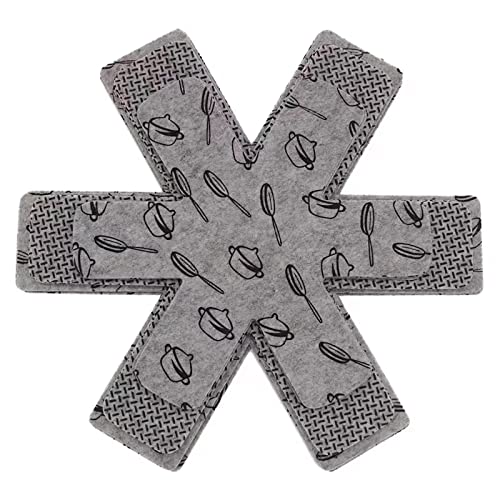
Stacking is sometimes unavoidable—but without protection, nonstick or ceramic surfaces suffer. Use felt or silicone pan protectors.
- Cheap and essential for longevity
- Bonus tip: Use pan protectors as dividers for lids too.
Open Shelving & Display Racks: Style Meets Function
Not everything needs to be hidden. Display storage can both save space and create a charming kitchen aesthetic.
5. Install Floating Shelves with Hooks

Photo Credit: @desertdecor
Floating shelves offer both horizontal and vertical storage. Add S-hooks underneath to hang pans and utensils.
- Works well in small kitchens
- Visual tip: Group similar finishes together (e.g., copper, cast iron)
6. Use Wall-Mounted Pegboards

Photo Credit: @osgood_bender
A classic garage organization tool reimagined for the kitchen. Paint it a color to match your decor and hang pans, lids, and even utensils.
- Ideal for renters (easy to install and remove)
7. Pot Rails with Hooks

Slim metal rails can go above a backsplash, stove, or under cabinets to keep everyday cookware within reach.
- Perfect for minimalist kitchens
- Add utensil cups or hanging baskets for extra functionality
Hanging Systems: Go Vertical
Utilizing ceiling or wall space is one of the smartest ways to store bulky cookware without eating up cabinetry.
8. Ceiling-Mounted Pot Racks

Photo Credit: @houseandhomemag
These can transform unused airspace into a storage solution—ideal for larger kitchens or islands.
- Key consideration: Weight load and ceiling type
Add soft LED lighting above racks for ambiance and visibility.

9. Wall-Mounted Grid Panels

Photo Credit: @mariadpinedo
Similar to pegboards but with more flexibility. Grids can accommodate hooks, baskets, and even mini shelves.
- Modular and renter-friendly
Great for odd-shaped pans and woks
10. DIY Wooden Dowel Racks

Customize a wooden bar with hooks across a wall to match rustic or farmhouse decor. Can be built to size
Pro tip: Add leather loops or copper hooks for a designer finish
You can also find these types of dowel racks available on Amazon.

Specialized Solutions for Tight Spaces
Small kitchen? No pantry? No problem. These tips solve real-life storage issues.
11. Back-of-Cabinet Door Storage

Photo Credit: @utterlyuncluttered
Use narrow racks, Command hooks, or pocket organizers behind cabinet doors for lids, trivets, or potholders.
Bonus idea: Use a magnetic strip for metal lids or utensils
12. Rolling Carts for Cookware Overflow

A slim rolling cart can act as a mobile cookware station, complete with a top shelf for pans and a bottom rack for lids.
- Easily rolls into a closet or pantry
- Look for ones with locking wheels and stainless tops
Vertical and Corner Storage: Unlocking Underused Space
Most kitchens suffer from one major flaw: underutilized vertical and corner areas. Here’s how to make the most of every inch.
13. Lazy Susans for Deep Cabinets

Photo Credit: @sitelinecabinetry
Rotating trays or turntables, especially double-tier ones, make it easy to access stacked pans and lids in deep or corner cabinets.
- Great for: Cast iron pans, small stockpots
- Add-on: Non-slip surface liners for stability
You can also purchase Kidney Cut Lazy Susans for corner base cabinets on Amazon.

14. Corner Cabinet Pull-Outs

Photo Credit: @revashelf
Installing a corner cabinet pull-out system—often called a “magic corner”—makes deep storage instantly accessible.
- Hidden gem: These are available in retrofit kits for existing cabinets
- Ideal for homes with awkward L-shaped layouts
15. Tension Rod Dividers

Photo Credit: @spaceandsanctuary
Adjustable tension rods inside a cabinet can act as vertical dividers for thin items like pan lids, muffin tins, or baking trays.
- An affordable alternative to custom cabinetry
Tip: Use rubber-tipped rods for better grip and surface protection
16. Vertical Bakeware Racks

Photo Credit: @organizing.engineers
Specially designed for sheet pans, muffin trays, and baking dishes, these vertical dividers make use of narrow cabinet slivers.
- A must-have for bakers
- Combine with drawer organizers for a full bake station setup

Storing Lids: The Most Overlooked Component
Lids often end up scattered, stacked precariously, or just plain lost. Here’s how to tame them.
17. Mounted Lid Holders

Photo Credit: @sortedbysue
Install a dedicated rack on the inside of cabinet doors or walls. These often use spring grips or angled slots to hold lids firmly.

18. Adjustable Drawer Inserts

Photo Credit: @renovationfrommybed
Drawer organizers with lid grooves let you pair each pot with its matching lid for grab-and-go cooking.
- Consider soft-close drawers to prevent shifting
- Choose expandable models for various lid sizes
19. Vertical Standalone Lid Racks

These sit inside cabinets or on shelves and store lids upright. Look for models with anti-slip coating or silicone grips.
- Great for non-standard lids (like glass or ceramic tops)
Pro tip: Add labels on handles to quickly identify matching pans
20. Hooks and Command Solutions

Photo Credit: @organizedandsimplified4u
Simple adhesive hooks can hold lids with handles upright behind doors or even on unused wall sections.
Specialized Storage for Premium & Fragile Cookware

Photo Credit: @lecreuset_th
Not all cookware is created equal. Heirloom cast iron, delicate nonstick, and expensive copper require thoughtful care.
21. Cast Iron: Store Dry, Not Stacked
Cast iron should be completely dry and preferably not stacked, as even minor surface friction can damage seasoning.
- Best options: Hanging from sturdy hooks or laid flat with pan protectors
Bonus idea: Use a cast iron wall rack with built-in air circulation
22. Copper Cookware: Show It Off
Copper pans are both beautiful and high-maintenance. Keep them visible yet protected.
- Wall-mounted rails with individual hooks keep each pan safe
- Add a cork liner behind the wall to prevent dings
23. Nonstick and Ceramic: Store Separately
Avoid nesting these unless you use silicone separators. Even soft stacking can ruin the coating.
- Under-shelf baskets with soft lining are ideal
Great for: Egg pans, omelet pans, delicate sauteuses
Labeling, Zoning, and Maintaining an Organized System
Creating zones and labeling cookware is key to maintaining long-term organization, especially in shared kitchens.
28. Zone-Based Organization
Divide your cookware storage based on usage patterns. Here’s a basic zoning layout:
| Zone | Items Included | Ideal Location |
| Cooking Zone | Frying pans, saucepans | Near stove or on wall rack |
| Baking Zone | Sheet pans, cake molds, racks | Drawer near oven or vertical rack |
| Prep Zone | Mixing bowls, colanders | Under prep counter or island storage |
| Specialty Zone | Woks, Dutch ovens, steamers | Pantry or high shelving |
Bonus tip: Use drawer liners or color-coded storage bins to reinforce zones
29. Label Everything
Use waterproof labels for lids, cabinet sections, and drawer contents. This minimizes confusion and ensures everything gets returned to its spot.
- Ideal for families or multi-cook households
Bonus: Label with icons for kids or non-English speakers
30. Routine Maintenance Matters
The best organization systems fail if not maintained. Set a quarterly “kitchen audit” to declutter and rearrange based on current usage.
- Use this time to donate unused pots or consolidate duplicates
- Keep a donation bin or box in the pantry year-round
Final Tip
Everyone’s cookware needs are different. A baker will need more flat pan space, while someone who loves stir-fries might prioritize wok storage. Let your organization system reflect how you cook and what brings you joy in the kitchen.