

When you’re planning a tent camping trip, it’s essential to be prepared for a variety of situations. Whether you’re a seasoned camper or a first-timer, having a comprehensive checklist can make all the difference. From cooking and cleaning essentials to personal items and safety gear, our tent camping checklist will ensure you don’t forget anything important.
Contents
Tent Camping Essentials for Your Adventure

Photo Credit: @girlof10000lakes
Before you hit the trails or set up camp, you need to make sure you have the right gear. Here’s an organized list of essential items you’ll need to pack to guarantee a successful and comfortable camping experience.
1. Tent and Sleeping Gear

Photo Credit: @bullkelp_bedrolls
Having a solid place to sleep is crucial for your camping experience. These items will ensure a comfortable rest in the great outdoors:
Tent – Ensure it’s the right size for your group and has enough ventilation.

Sleeping Bag – Choose one that suits the weather conditions, whether it’s lightweight for warmer climates or insulated for cold weather.
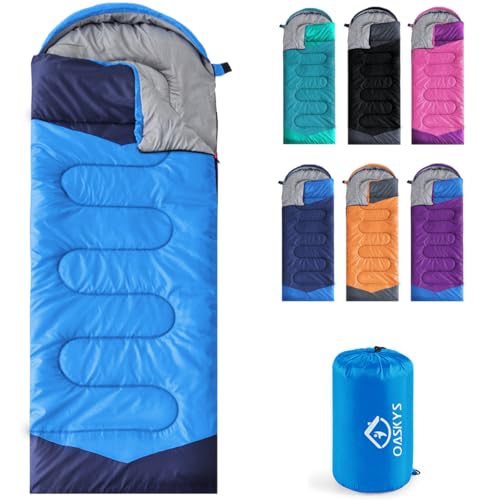
Sleeping Pad/Mattress – Adds comfort and insulation from the cold ground.

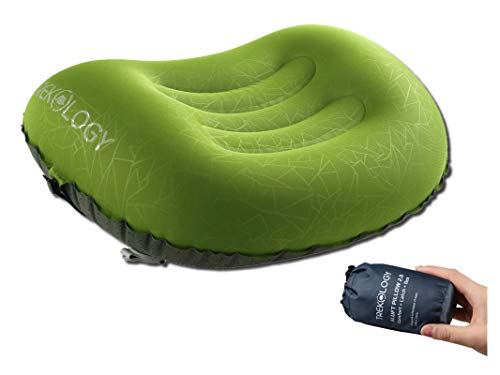
Camping Pillow – Compact and supportive for a good night’s sleep.
TREKOLOGY Aluft 2.0 Inflatable Camping Pillow
- Packs down smaller than a soda can—super easy to carry.
- Lightweight but gives great neck and back support.
- Anti-slip grip keeps it in place all night.
- Inflates in a few breaths, deflates in seconds.
- Tough, water-resistant fabric holds up on any trip.
Tarp or Groundsheet – Protects your tent from moisture and abrasions.

Camp Blanket – For extra warmth or comfort around the campfire.

2. Cooking and Food Prep Essentials

Photo Credit: @badassbrunette
A good camping meal can elevate your trip, but you need the right tools to make it happen. Here’s a list of items to ensure you’re well-equipped for campfire cooking or stove-based meals:
Cookware:
- Cooking Pots/Pans – A good Dutch oven and frying pans are versatile for many types of meals.
- Coffee Pot – For your morning coffee, a durable camping coffee pot is a must.
- Pitcher – For pouring drinks or mixing ingredients.
- Spatula, Serving Spoon, Fork, and Knife – Essential for food prep and serving.
- Cutting Board – A stable surface for chopping ingredients.
- Can Opener – Often overlooked but essential for canned goods.
- Measuring Cups/Spoons – For accurate recipe measurements.
Recommended Gear
- Compact and has everything I need for 1–2 people.
- Heats water fast and is easy to clean.
- Lightweight and packs down small.
- Plates are a bit small—more like bowls.
- Handles get hot, so I use caution over open flame.

Cleaning and Maintenance:
- Wash Tubs – For cleaning dishes and utensils.
- Dish Soap – A biodegradable soap that’s environmentally friendly.
- Sponge and Scratch Pad – For scrubbing away food residue.
- Dish Towels – For drying dishes and wiping down surfaces.
- Trash Bags – Keep your campsite clean and eco-friendly.
3. Cooking Utensils and Gadgets

Photo Credit: @roaddude
To make cooking a breeze while camping, you’ll need a variety of utensils to handle different tasks. Here are the essential items for your camp kitchen:
- Standard Spatula – For flipping burgers or pancakes.
- Non-Stick Spatula – Ideal for delicate foods like eggs or fish.
- Spaghetti Server – To serve up pasta with ease.
- Peeler and Grater – For prepping vegetables and cheese.
- Cork Screw – A necessity for opening wine or other bottled drinks.
- Butcher Knife – For slicing meats and other hearty foods.
- Knife Sharpener – Keep your knives in good condition for safe and efficient food prep.
Related Read: The Ultimate Guide to Setting Up Your Perfect Camp Kitchen
Recommended Gear
- I love how it comes with almost every tool I need in the kitchen.
- The silicone heads are soft, safe, and don’t scratch my nonstick pans.
- Heat-resistant and easy to clean, even after greasy meals.
- Some handles feel hollow and can trap water after washing.
- It’s a great gift option—practical and affordable.

4. Food and Snacks

Photo Credit: @hipcamp
Planning your meals ahead of time will save you time and energy at the campsite. Here’s a list of basic ingredients and snacks to pack:
Non-Perishable Food Items:
- Coffee and Hot Chocolate – For a warm start to the day or a cozy evening drink.
- Flour, Bisquick, and Cornmeal – Perfect for pancakes, bread, and other easy-to-make meals.
- Rice and Spaghetti/Macaroni – Easy to cook and filling for large groups.
- Canned Goods – Beans, vegetables, and chili are great camp staples.
- Snacks – Granola bars, trail mix, and nuts make for quick and satisfying snacks.
Condiments and Seasonings:
- Salt, Pepper, and Garlic Powder – The basics for seasoning.
- Cajun Seasoning and Onion Powder – For added flavor in your meals.
- Cooking Oil – Olive oil is versatile and ideal for most meals.
5. Personal Items and Hygiene Essentials
Comfort doesn’t just come from your sleeping setup and food; personal hygiene is crucial while camping. Here are the basics to bring along:
- Toothbrush, Toothpaste, and Floss – Keep your teeth clean after meals.
- Deodorant and Razor – Stay fresh and feel comfortable.
- Shampoo and Body Wash – Use biodegradable options to minimize your environmental footprint.
- Hand Soap – For washing hands before meals and after handling food.
- Sunscreen and Insect Repellent – Protect your skin from the sun and bugs.
6. Camping Safety and First Aid Kit
Safety should always be your top priority while camping. A well-stocked first aid kit is an essential part of any camping trip. You never know when you’ll need it, so it’s best to be prepared for any situation.
First Aid Kit Essentials:
- Aspirin and Antacid – For headaches and indigestion.
- Hydrogen Peroxide and Neosporin – To clean and treat wounds or cuts.
- Band-Aids and Gauze – For covering and protecting small injuries.
- Adhesive Tape and Tweezers – For bandaging and removing splinters or ticks.
- Chap Stick – Prevents chapped lips caused by wind or sun.
- Eye Drops – To soothe tired or irritated eyes.
- Fingernail File and Nail Clippers – Handy for grooming and removing nails that could snag or tear.
- Glasses Repair Kit – Keep a small repair kit in case your glasses break.
Recommended Gear

Additional Safety Gear:
- Headlamps and Flashlights – You’ll need these to navigate in the dark.
- Extra Batteries – Don’t forget extras for your devices.
- Emergency Whistle – In case you get lost or need attention.
- Multi-tool – A compact tool with a variety of functions, including knife, pliers, and screwdrivers.
- Fire Extinguisher – Keep it accessible near your campfire or stove to stay safe.
Recommended Gear

7. Camp Devices and Equipment

Photo Credit: @fimbuloutdoors
The right camping devices will enhance your outdoor experience. Ensure you have the necessary tools to make your trip enjoyable and efficient.
Cooking and Lighting:
Camp Stove – A portable stove is perfect for cooking meals when a campfire isn’t an option.
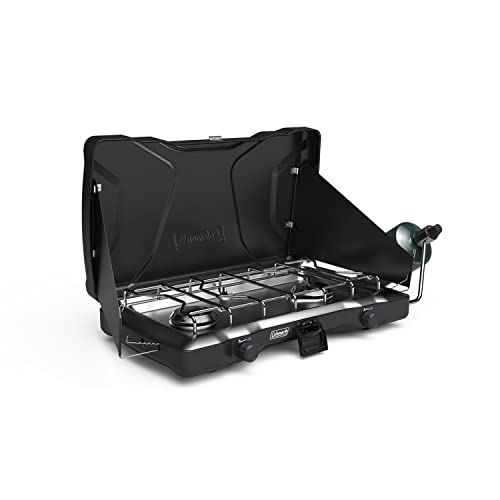
Propane – Essential for stoves, lanterns, and other devices.

Camping Lantern – A good source of light that works well around the campsite.
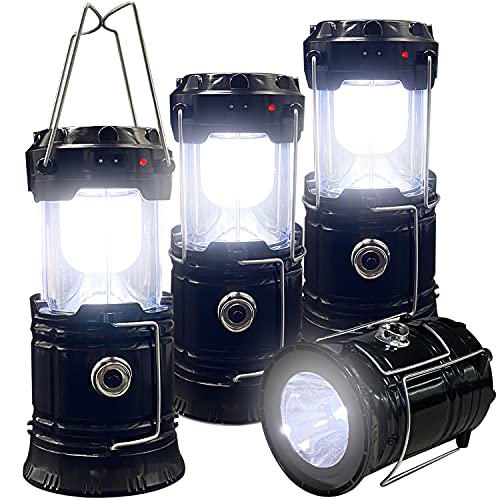
Cooking Grate – Useful if you want to cook over an open fire.
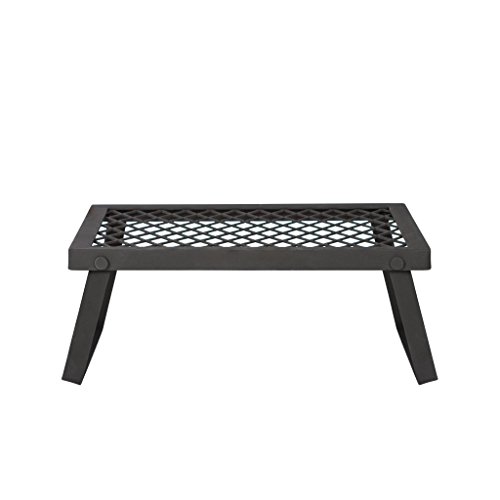
Matches and Lighter – Bring extra for starting fires.
Shelter and Sleeping Gear:
- Sleeping Bags (Weather-Appropriate) – Choose bags that fit the climate of your camping destination.
- Sleeping Pad or Air Mattress – Provides cushioning and insulation.
- Tent Stakes and Guy Lines – Keep your tent stable in windy conditions.
- Tarp – A tarp can be used as a ground cover or an additional shelter.
Other Essential Gear:
- Rope and Paracord – Useful for a variety of tasks, including tying things down or setting up shelter.
- Shovel – Ideal for digging fire pits or clearing the campsite.
- Tarp or Ground Cloth – Protects your tent and other gear from moisture and dirt.
- Daypack – Use it for short hikes or as a bag to carry essentials when you leave the campsite.
8. Canned Goods and Paper Goods

Photo Credit: @getthesavings
When camping, you’ll need a variety of paper goods and non-perishable food items. These can be vital for keeping your campsite clean and well-stocked during your trip.
Canned and Non-Perishable Food:
- Canned Vegetables – Green chilies, mushrooms, olives, and jalapeños add variety to meals.
- Tomato Paste and Sauce – Perfect for pasta or chili.
- Tinned Meats – Convenient and filling for easy meals.
- Canned Beans – A great protein source.
Paper Goods and Trash:
- Paper Towels and Napkins – Essential for cleaning up during meals.
- Toilet Paper – Always pack extra, as you can’t rely on public restrooms in many campsites.
- Plastic or Paper Plates and Cutlery – Disposable plates, cups, and utensils save space and time when cleaning.
- Trash Bags – Keep the campsite clean and follow Leave No Trace principles.
- Food Storage Bags – Use for storing leftovers or organizing small items.
9. Other Essential Gear
Lastly, don’t forget these additional camping items that will make your trip more enjoyable, comfortable, and organized.
- Water – Bring plenty of drinking water for hydration and cooking.
- Camp Chairs – Comfortably relax around the fire.
- Personal Bags – Keep your essentials like wallets, phones, and keys safely stored.
- Tarp and Extra Ropes – Essential for rainy days or creating extra shelter.
Recommended

10. Commonly Forgotten Items

It’s easy to forget certain items when packing for a camping trip, especially when you’re focused on the basics. To ensure you’re fully prepared, here are some commonly forgotten items that can be game-changers:
- Extra Batteries – Don’t forget extra batteries for headlamps, flashlights, and other devices.
- Spices and Seasonings – While you might think about the food, bringing along a few essential seasonings can transform a simple meal. Common ones include salt, pepper, garlic powder, and Cajun seasoning.
- Cooking Oil – Olive oil or other oils are essential for frying and sautéing.
- Matches or Lighter – While you might pack one, always bring extras in case one fails.
- Multi-tool – A versatile tool can help with minor repairs, food prep, and other tasks around the campsite.
- Trash Bags – You’ll need these for both waste and organizing items. Always bring more than you think you’ll need.
- Camera or Phone Charger – Capture the memories and ensure your phone stays charged for emergencies.
Organization Tips for Camping Gear

Photo Credit: @girl_camper
Camping can quickly become chaotic without a good organizational system. Having a clear structure for how you pack and store your gear will save time and reduce stress. Here are some tips for staying organized while camping:
1. Use Clear Storage Bins
Store your camp gear in transparent bins so you can easily see what’s inside. This makes it easier to grab what you need without rummaging through everything.
2. Group Similar Items Together
Keep food items in one bin, cooking tools in another, and personal items in separate bags. This organization will make it easier to find things and pack up quickly when it’s time to leave.
3. Label Your Gear
Use waterproof labels for bins, bags, and storage containers. Clearly labeling your gear will help keep your campsite organized and make packing up a breeze.
4. Maximize Space in Your Tent
Store heavy or bulky items like shoes or backpacks near the door to avoid tripping. Use a mesh organizer or a small shelf for lighter items like toiletries.
5. Use a Chuck Box for Cooking Gear
A “chuck box” is a compact storage box that holds your cooking supplies. It helps keep your kitchen area neat and reduces the risk of losing smaller items like utensils, spices, and cooking tools.
Tips for Campfire Cooking and Clean-Up
A campfire meal is one of the joys of camping, but it can come with its own set of challenges. Proper planning and the right tools can make campfire cooking fun and easy. Here are some tips:
1. Prepare Ingredients Beforehand
Pre-chop vegetables, marinate meats, and pre-measure dry ingredients. This saves time at the campsite and ensures meals are quick and hassle-free.
2. Use a Grill Grate
For campfire cooking, a grill grate allows you to cook over the fire without burning your food. A sturdy cooking grate can be used for grilling meats, vegetables, and even pizza.
3. Campfire Dutch Oven
A Dutch oven is an indispensable tool for making stews, casseroles, and even bread. It can be placed directly on the campfire or suspended from a tripod.
4. Cleaning Up After Cooking
Use biodegradable dish soap and clean your cookware immediately after use. Wipe down surfaces and store utensils in a chuck box or similar container. Always pack out your trash to leave no trace.
5. Consider Disposable Cookware
If you want to reduce clean-up time, consider using disposable plates, cups, and utensils. However, be sure to pack these out and dispose of them properly.
Camping Meal Ideas and Preparation
With your cooking tools ready and your ingredients packed, it’s time to think about meals. Here are some easy and delicious meal ideas that you can prepare while camping:
- Breakfast:
- Campfire Pancakes – Pancake mix, eggs, and syrup make for an easy, delicious breakfast.
- Omelets in a Bag – Mix your ingredients in a plastic bag, then boil it in hot water for a quick, no-mess breakfast.
- Campfire Pancakes – Pancake mix, eggs, and syrup make for an easy, delicious breakfast.
- Lunch:
- Sandwiches or Wraps – Pack deli meats, cheeses, and condiments to make sandwiches or wraps.
- Grilled Cheese and Soup – A classic, easy-to-make meal over the campfire.
- Sandwiches or Wraps – Pack deli meats, cheeses, and condiments to make sandwiches or wraps.
- Dinner:
- One-Pot Chili – Canned beans, meat, and spices come together for a hearty and filling dinner.
- Campfire Skewers – Skewer chunks of meat and veggies and cook them over the fire for a fun and interactive meal.
- One-Pot Chili – Canned beans, meat, and spices come together for a hearty and filling dinner.
- Snacks:
- Trail Mix – A mix of nuts, seeds, and dried fruit makes for a perfect high-energy snack.
- S’mores – A camping classic that’s always a hit around the campfire.
- Trail Mix – A mix of nuts, seeds, and dried fruit makes for a perfect high-energy snack.
Watch this quick video to see how easy and delicious outdoor cooking can be—perfect for your next adventure!
Eco-Friendly Camping Practices

Photo Credit: @blanketfor2
As outdoor enthusiasts, it’s our responsibility to protect and preserve nature for future generations. By adopting eco-friendly camping practices, we can minimize our impact on the environment and enjoy nature responsibly.
1. Leave No Trace
- Pack Out All Trash – Always bring a trash bag and pack out everything you bring into the wilderness. This includes food scraps, wrappers, and even biodegradable items like fruit peels.
- Minimize Campfire Impact – Use a camp stove instead of making a fire if possible, or ensure your fire is built in a fire ring and put out completely when you’re done.
- Follow Trail Etiquette – Stay on marked trails to prevent soil erosion and damage to delicate ecosystems.
2. Use Eco-Friendly Products
- Biodegradable Soap – Opt for biodegradable soap for washing dishes or bathing. Be sure to wash away from natural water sources to avoid contamination.
- Reusable Containers – Instead of disposable plastic bottles, bring refillable water bottles and food storage containers.
- Non-Toxic Sunscreen – Choose reef-safe sunscreen to protect aquatic life and avoid harmful chemicals in nature.
3. Choose Sustainable Camping Gear
- Buy Quality Gear – Investing in durable camping gear can reduce the need for replacements and help minimize waste in the long run.
- Eco-Friendly Lanterns – Solar-powered lanterns or rechargeable battery-operated lights can save energy and reduce reliance on disposable batteries.
4. Water Conservation
- Use Water Wisely – Be mindful of how much water you’re using, whether for drinking, cooking, or cleaning. Bring only what you need and use water efficiently.
- Water Purification Tablets – Instead of relying on bottled water, bring water purification tablets or filters to drink directly from natural sources.
Packing Checklist Summary

To ensure your camping experience is as enjoyable as possible, it’s important to have a packing checklist that covers all the essential items. Here’s a condensed version of the key items you should bring:
Camping Essentials
- Tent, sleeping bags, and sleeping pads.
- Cooking gear: stove, pots, pans, utensils, and food.
- Lantern, flashlights, and extra batteries.
- First aid kit, safety gear, and emergency supplies.
- Paper goods (toilet paper, trash bags, paper towels).
- Personal items: toiletries, sunscreen, and insect repellent.
Food and Drink
- Non-perishable foods (canned goods, pasta, rice, snacks).
- Cooking staples (salt, pepper, oil, spices).
- Reusable water bottles and cups.
Comfort and Enjoyment
- Camp chairs, camp table, and blankets.
- Games, books, and music for relaxation.
- Extra clothing and weather-appropriate gear.
Final Thoughts
Camping is an unforgettable way to immerse yourself in nature, but it requires careful preparation to ensure you have everything you need. By packing strategically and organizing your gear, you can enjoy a stress-free and memorable experience. Remember to stay safe, keep your campsite clean, and always leave nature as you found it. Happy camping!