

Living in an RV means mastering the art of organization within severely limited space. Your cabinets become precious real estate where every square inch counts, yet most RV owners struggle with cluttered, inefficient storage that makes daily life frustrating. The reality is harsh: traditional home organization methods simply don’t work in the unique environment of recreational vehicles.
RV cabinets present distinct challenges that standard organizing advice ignores. They’re smaller, irregularly shaped, and must withstand constant motion while traveling. Items shift, fall, and create chaos during transit. Kitchen essentials compete for space with cleaning supplies, while bathroom cabinets overflow with toiletries and medications. Without proper organization systems, your RV quickly transforms from a comfortable home on wheels into a cramped, stressful environment where finding anything becomes a treasure hunt.
Contents
- 1 Understanding RV Cabinet Limitations and Opportunities
- 2 1. Transform Cabinet Doors into Storage Powerhouses
- 3 2. Maximize Vertical Space with Strategic Shelving
- 4 3. Specialized Kitchen Cabinet Solutions
- 5 4. Bathroom Cabinet Optimization Strategies
- 6 5. Advanced Organization Techniques for Maximum Efficiency
- 7 6. Travel-Specific Security and Safety Solutions
- 8 7. Budget-Friendly DIY Solutions
- 9 8. Climate-Specific Storage Considerations
- 10 9. Specialized Storage for Unique RV Items
- 11 10. Technology Integration for Modern RV Organization
- 12 11. Long-Term Maintenance and System Evolution
- 13 12. Common Organization Mistakes and How to Avoid Them
- 14 13. Seasonal Adaptation Strategies
- 15 14. Budget Planning and Cost-Effective Implementation
- 16 15. Advanced Custom Solutions for Unique Challenges
- 17 Conclusion: Creating Your Personalized RV Organization System
Understanding RV Cabinet Limitations and Opportunities
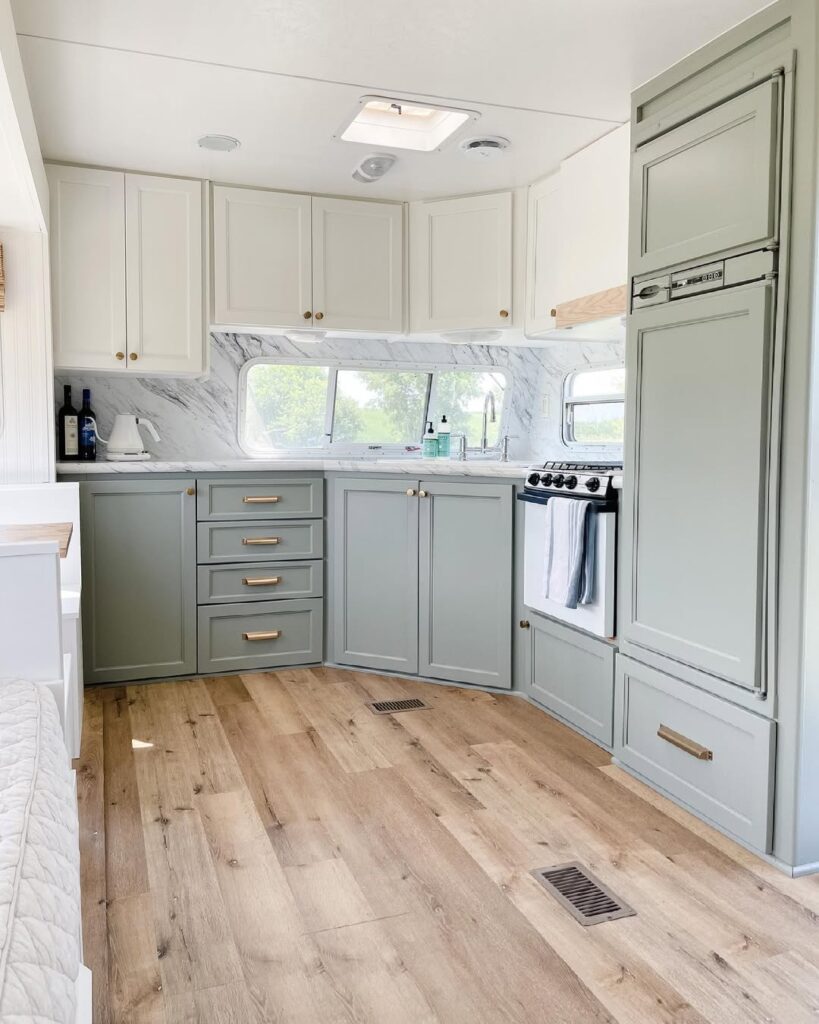
Photo Credit: @kdanielledesign
Before diving into solutions, it’s crucial to understand what makes RV cabinet organization uniquely challenging. Most RV cabinets are 12-24 inches deep but only 6-10 inches tall, creating awkward proportions that waste vertical space. The lightweight construction means you can’t load them like traditional home cabinets, and the constant vibration during travel requires securing systems that won’t fail.
However, these limitations also create opportunities. RV cabinets often have unused vertical space, overlooked door surfaces, and gaps that can be transformed into functional storage. The key lies in thinking three-dimensionally and maximizing every available surface.
Essential Principles for RV Cabinet Success:
Weight Distribution: Heavier items belong in lower cabinets and toward the center of your RV to maintain proper weight balance and handling characteristics.
Accessibility Hierarchy: Items used daily should occupy the most accessible spots, while occasional-use items can be stored in harder-to-reach areas.
Travel Security: Everything must be secured to prevent damage and noise during transit, but still remain easily accessible when parked.
Multi-Purpose Solutions: The best RV organization products serve multiple functions, maximizing value in limited space.
1. Transform Cabinet Doors into Storage Powerhouses
Cabinet doors represent the most underutilized storage opportunity in any RV. These large, flat surfaces can accommodate surprising amounts of gear when properly outfitted with the right hardware.
Over-Door Wire Baskets


Install heavy-duty over-door organizers that hook over cabinet doors without permanent modification. Look for models specifically designed for cabinet doors rather than full-size doors, as they have shorter hooks that fit properly. The ideal basket depth is 4-6 inches to avoid interfering with door closure.
Magnetic Solutions

RV cabinet doors are often metal-backed, making them perfect for magnetic organizers. Magnetic spice racks work excellently on kitchen cabinet doors, while magnetic hooks can hold lightweight tools and utensils. Test magnet strength before purchasing, as RV cabinet materials vary.
Command Strip Systems

For non-metal doors, heavy-duty Command strips support surprising weight when used correctly. Create custom storage by mounting small baskets, hooks, or even narrow shelves using industrial-strength adhesive strips.
Safety Considerations
Add removable mounting tape or velcro strips to the back of door-mounted organizers to prevent sliding during travel. This simple addition prevents damage and reduces road noise.
2. Maximize Vertical Space with Strategic Shelving
Most RV cabinets waste significant vertical space due to oversized gaps between existing shelves. Adding intermediate shelving dramatically increases storage capacity without requiring additional cabinet space.
Expandable Shelf Inserts

Wire shelf inserts that expand to fit your cabinet width offer the quickest solution. Choose models with rubber feet to prevent sliding and ensure they’re tall enough to create meaningful storage sections. Avoid flimsy plastic versions that won’t withstand RV vibration.
Custom Wood Shelving
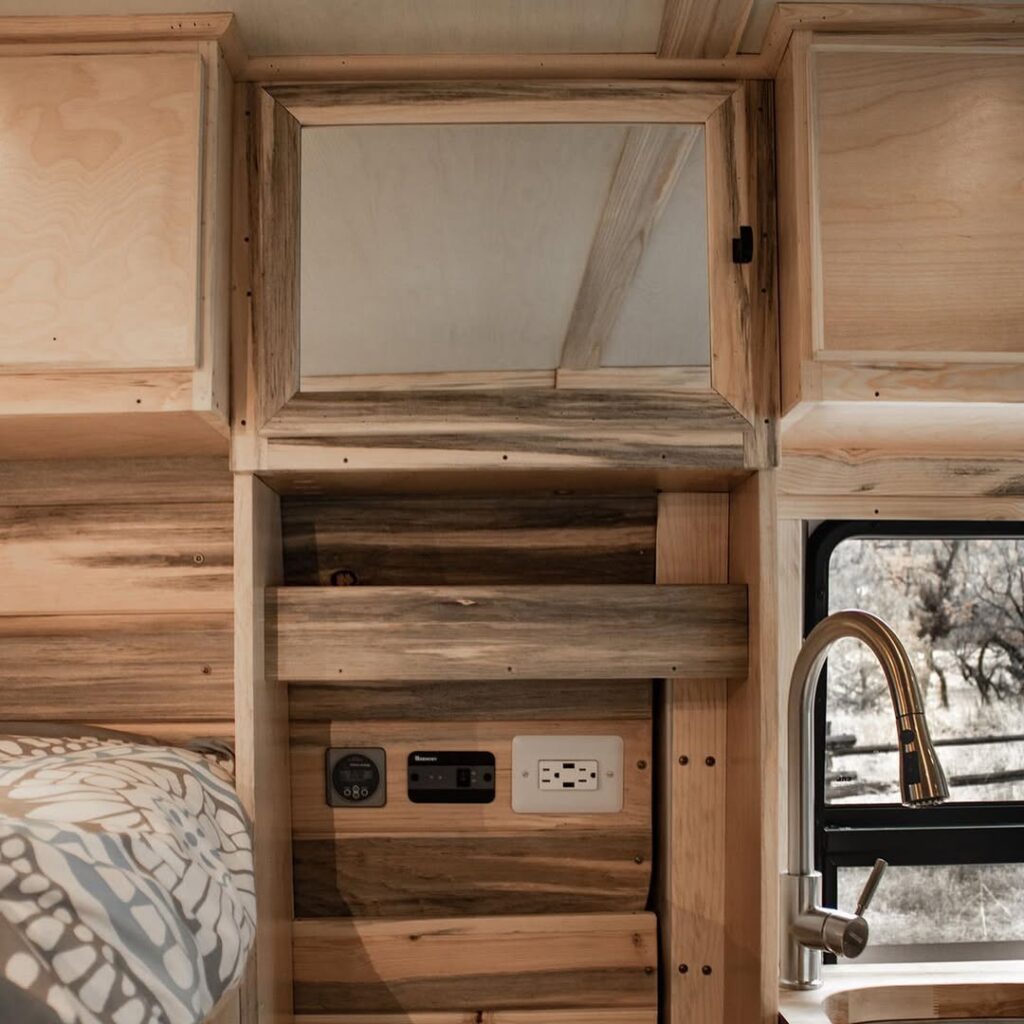
Photo Credit: @ wanderfulwheels
Building custom shelves provides the most efficient use of space and creates permanent solutions that won’t shift during travel. Use lightweight plywood or pine boards, and secure them with simple brackets or wooden cleats. This approach costs less than commercial organizers while providing superior stability.
Tension Rod Systems

For lighter items, tension rods create instant additional storage levels. Use them to hang cleaning supplies, create dividers for linens, or support lightweight containers. Choose spring-loaded models over threaded versions for better holding power in RV applications.
3. Specialized Kitchen Cabinet Solutions
Kitchen cabinets face the most intensive daily use and require specialized organization strategies to handle everything from spices to cookware within extremely limited space.
Spice Organization Systems

Traditional spice racks waste precious cabinet real estate. Instead, use magnetic spice containers on metal cabinet doors or invest in drawer-style spice organizers that pull out completely for easy access. Uniform containers eliminate wasted space and create a professional appearance while making inventory management simple.
Vertical Cookware Storage
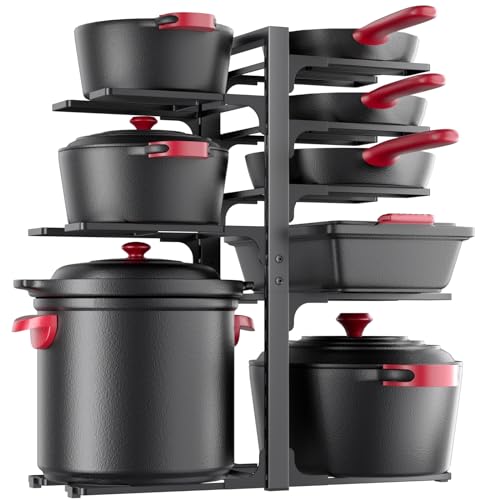
Store pans, baking sheets, and cutting boards vertically using adjustable dividers. This prevents stacking damage, makes individual items easily accessible, and maximizes storage efficiency. Install simple wooden dividers or use commercial vertical organizers designed for RV applications.
Pull-Out Drawers for Deep Cabinets

Deep lower cabinets become black holes where items disappear. Install pull-out drawer systems or use deep bins with handles to bring everything within reach. This solution works particularly well under the sink area where plumbing obstacles make fixed shelving impractical.
Pantry Conversion Projects
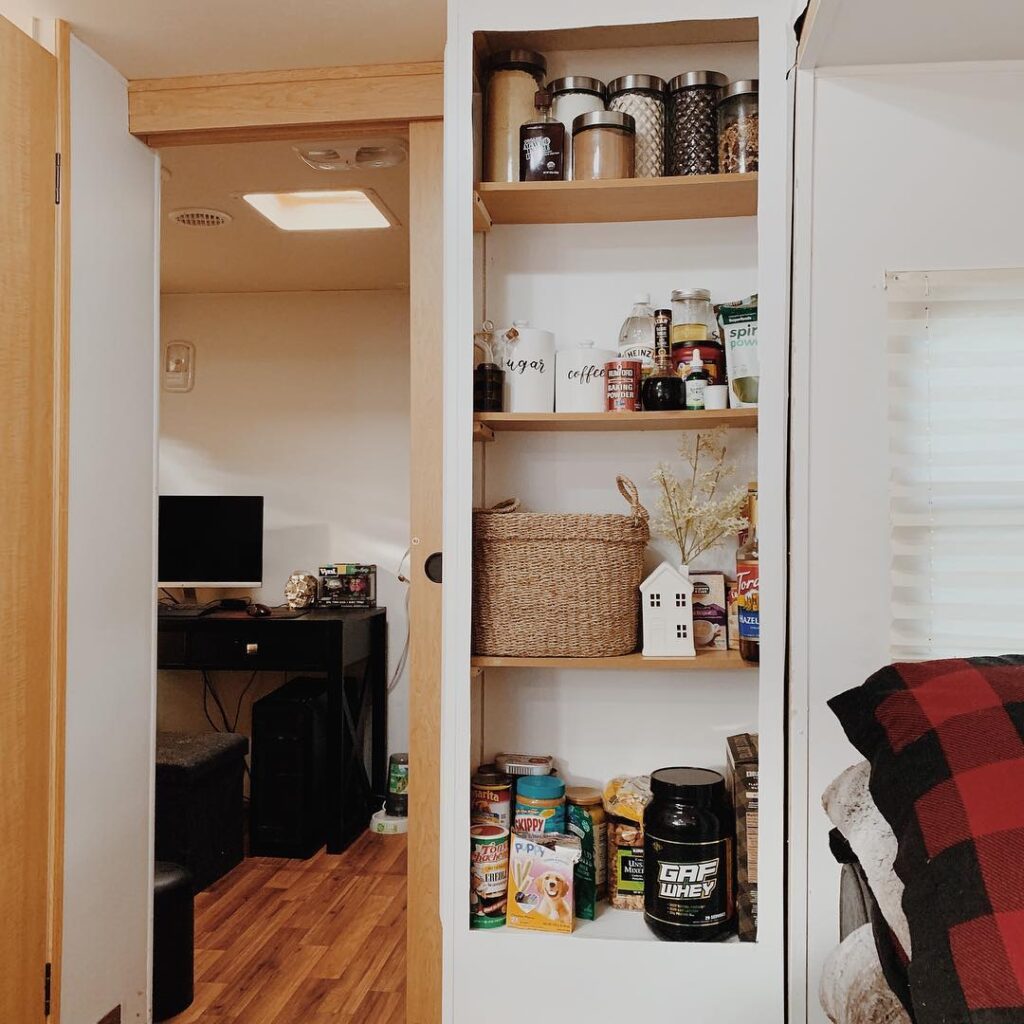
Photo Credit: @grovensrv
Many RVs have underutilized wall spaces that can become functional pantries. Consider removing non-structural walls or unused cabinets to create custom pantry solutions with proper shelving depths for your specific needs.
4. Bathroom Cabinet Optimization Strategies
Bathroom cabinets present unique challenges with their typically awkward shapes and need to accommodate items of vastly different sizes, from large shampoo bottles to tiny medication containers.
Tiered Storage Systems
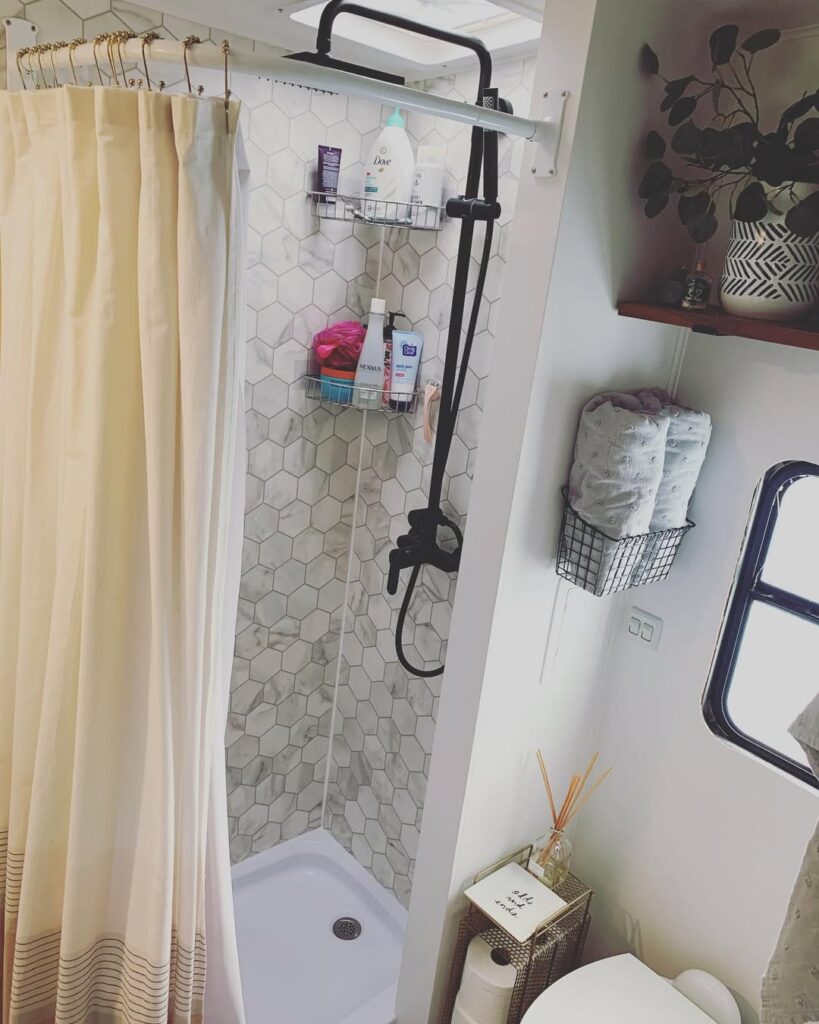
Photo Credit: @watsons.on.wheels
Use graduated storage containers or tiered shelf inserts to create multiple levels within single cabinet spaces. This approach works exceptionally well for toiletries, medications, and cleaning supplies while maintaining easy visibility and access.
Corner Cabinet Solutions: Many RV bathrooms feature corner cabinets with deep, hard-to-reach recesses. Lazy Susan turntables or pull-out corner organizers transform these spaces into functional storage. Choose models specifically rated for RV use to ensure they handle road vibration.
Medicine Organization: Create a dedicated medication station using small drawer organizers or pill dispensers. This improves safety by preventing mix-ups and ensures critical medications remain easily accessible. Consider adding labels with expiration dates for better inventory control.
5. Advanced Organization Techniques for Maximum Efficiency
Beyond basic storage solutions, advanced techniques can dramatically improve your RV cabinet functionality and daily living experience.
Container Standardization Strategy

Replace mismatched food storage containers with a single, stackable system. Deli containers work exceptionally well because multiple sizes share identical lids, eliminating the frustration of missing covers. This approach reduces storage volume by up to 40% compared to traditional container sets while improving organization.
Inventory Management Systems

Photo Credit: @savvyandsorted
Implement simple inventory tracking for cabinets storing consumables. Use chalkboard labels or dry-erase boards inside cabinet doors to track quantities and expiration dates. This prevents over-purchasing and ensures you don’t run out of essentials while traveling.
Seasonal Rotation Protocols
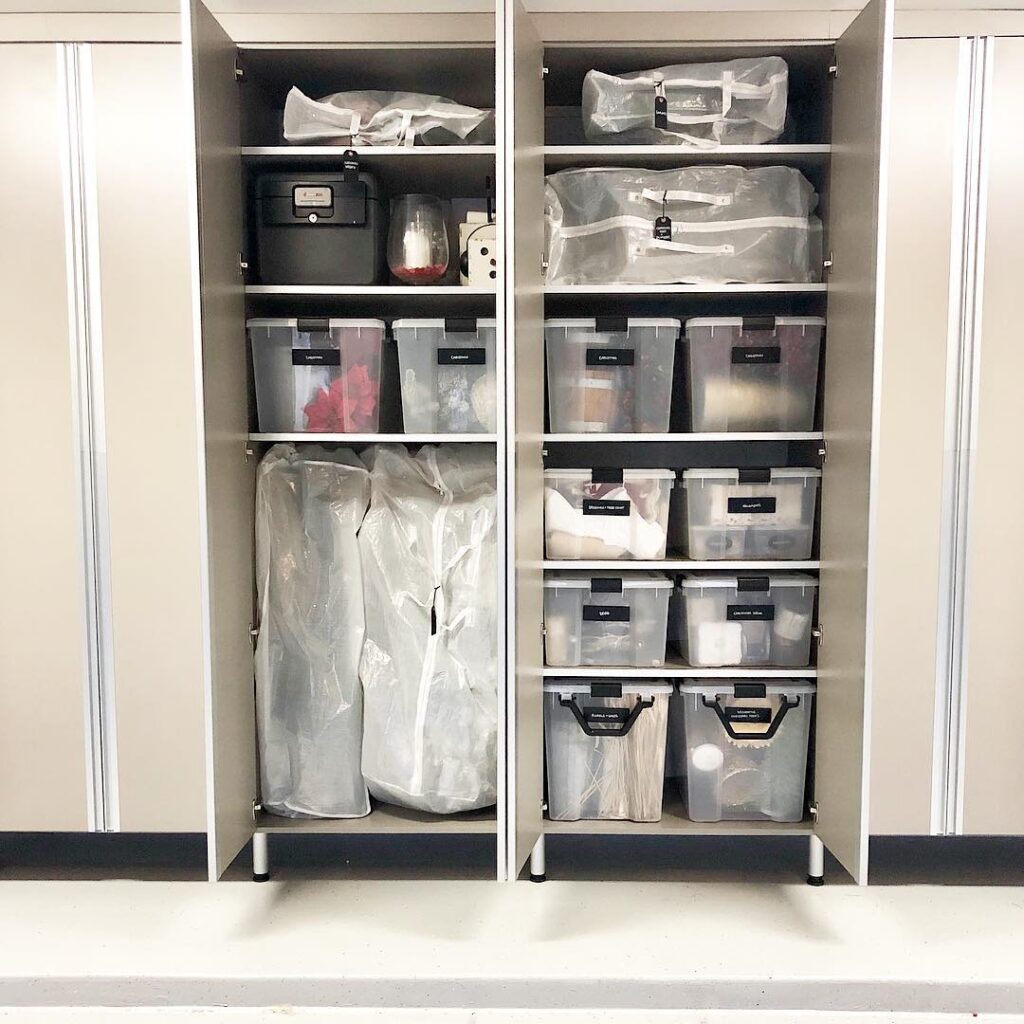
Photo Credit: @scottsdaleneat
Develop systems for rotating seasonal items in and out of prime storage locations. Winter gear shouldn’t occupy valuable space during summer travels, and vice versa. Use labeled bins for off-season storage in less accessible areas.
6. Travel-Specific Security and Safety Solutions
The competitor’s article largely ignored the critical safety aspects of RV cabinet organization. Items that stay put in a house become dangerous projectiles in a moving RV without proper securing systems.
Vibration-Resistant Storage
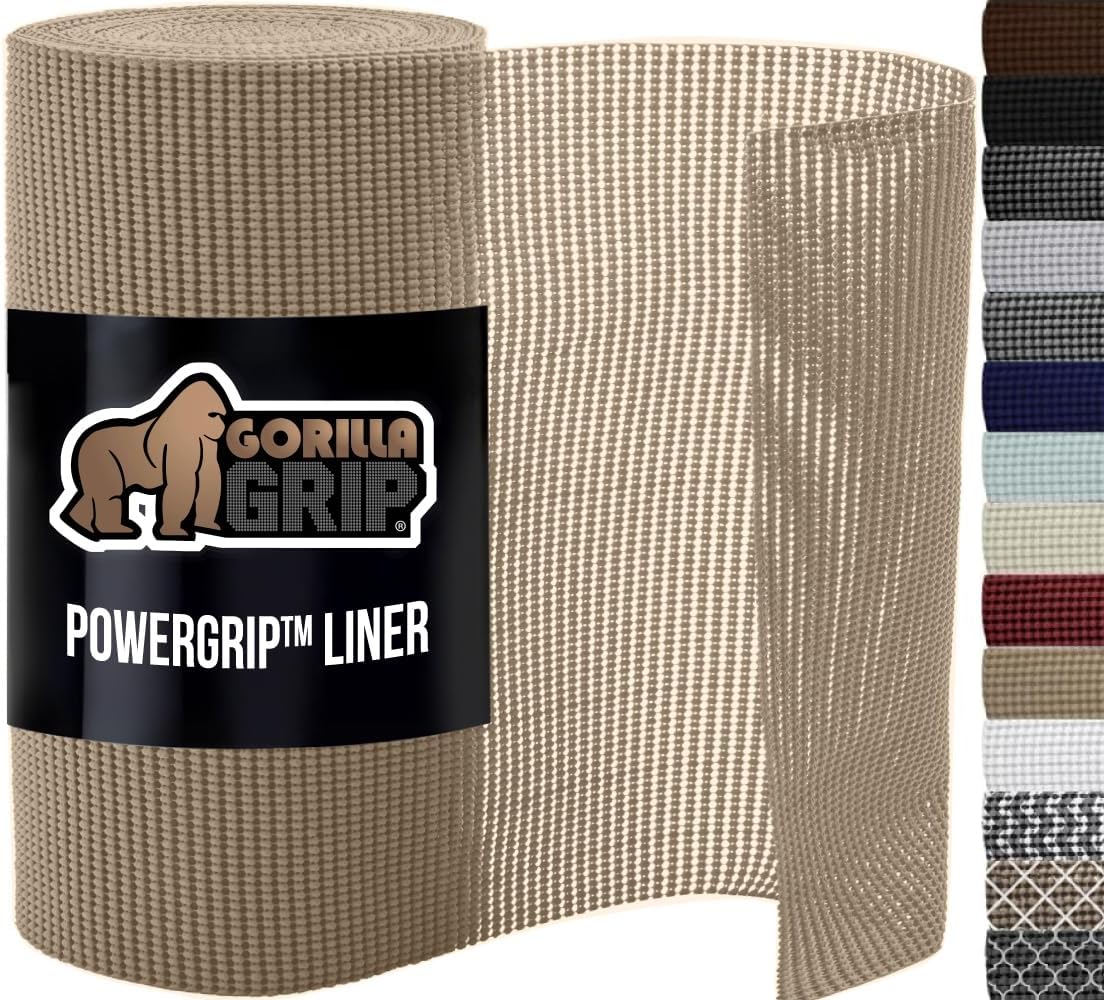
Everything in your cabinets must be secured against constant vibration and occasional sharp movements. Use non-slip drawer liners, adjustable tension bars, and foam padding to create secure storage environments. Test your systems by gently shaking cabinets – if items move, they need better securing.
Weight Limits and Distribution
RV cabinets have much lower weight limits than home cabinetry. Distribute heavy items across multiple cabinets and keep them as low as possible. Never exceed manufacturer weight recommendations, which are typically 15-25 pounds per linear foot of cabinet space.
Hazardous Material Considerations
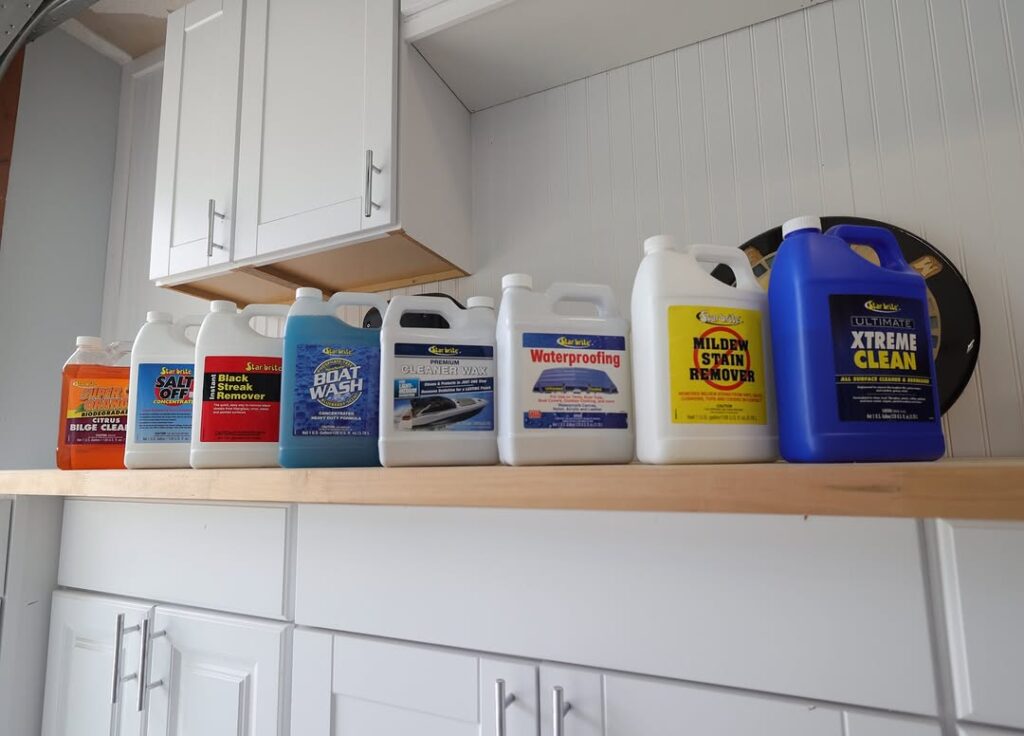
Photo Credit: @starbrite_com
Cleaning chemicals, propane accessories, and other hazardous materials require special storage considerations in RVs. Follow RVIA guidelines for proper ventilation and separation requirements. Never store incompatible chemicals together, and ensure adequate ventilation for any products that emit fumes.
Emergency Access Planning
Organize critical items like first aid supplies, flashlights, and emergency tools for quick access during emergencies. These items should occupy easily accessible locations that remain functional even if your RV is not level.
7. Budget-Friendly DIY Solutions
Professional RV organization products often carry premium prices, but many effective solutions can be created affordably using common materials and basic tools.
Cardboard Divider Systems
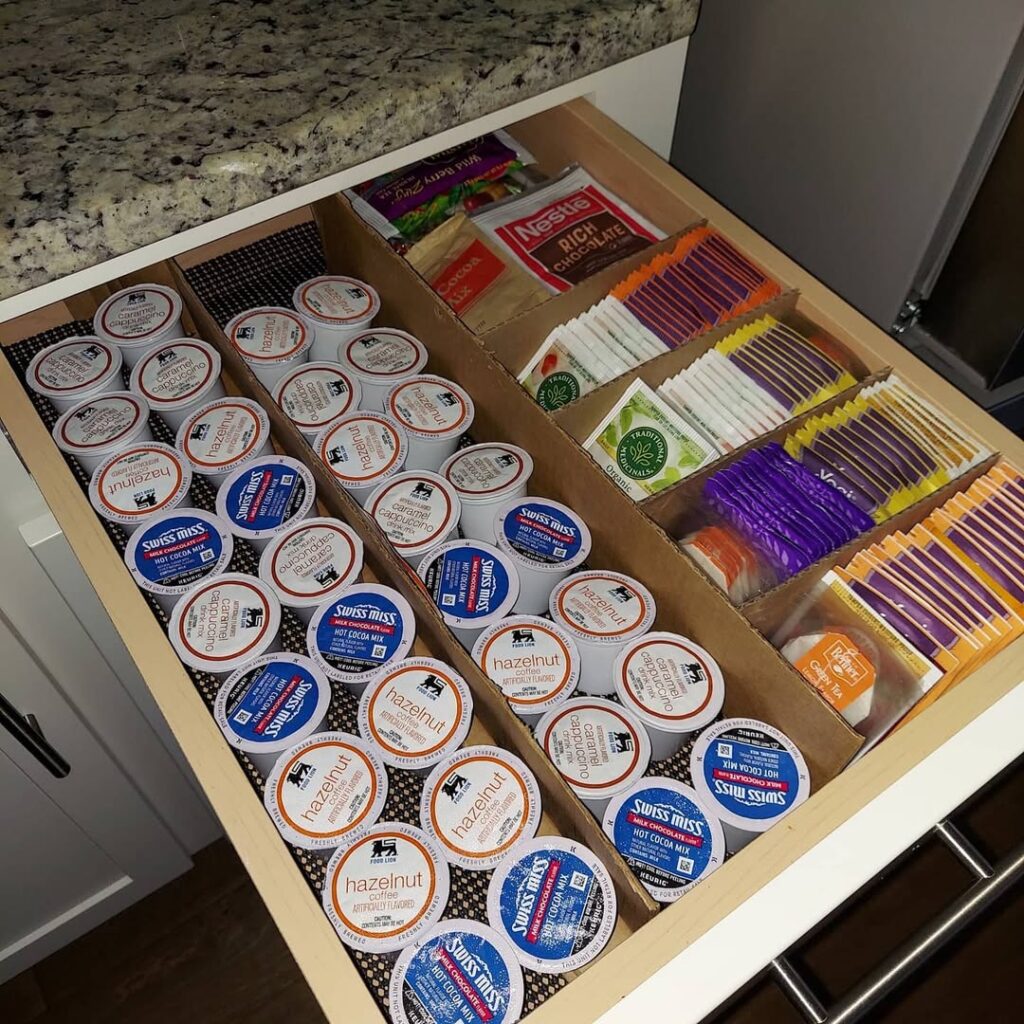
Photo Credit: @weezy_4_sheisdabiz
Create custom drawer dividers using sturdy cardboard covered with contact paper or fabric. This approach costs pennies compared to commercial organizers while providing exact fits for your specific needs. Use hot glue or double-sided tape for assembly.
PVC Pipe Organizers

Photo Credit: @pipekit
PVC pipe segments make excellent organizers for tall, narrow items like cleaning supplies or tools. Cut pipes to appropriate lengths and secure them in cabinets using mounting brackets or simply nestle them together for stability.
Repurposed Household Items
Shoe organizers work excellently on cabinet doors for small items. Ice cube trays organize tiny components like screws or jewelry. Egg cartons store Christmas ornaments or other delicate items safely during travel.
8. Climate-Specific Storage Considerations
RV interiors experience dramatic temperature and humidity fluctuations that significantly impact cabinet organization and contents. Understanding these environmental factors prevents damage and maintains organization effectiveness.
Humidity Control Systems

High humidity destroys paper products, causes mold growth, and warps wooden organizers. Install small desiccant packs or moisture absorbers in problematic cabinets. For chronic moisture issues, consider adding small ventilation fans or upgrading to moisture-resistant organizing materials.
Temperature-Sensitive Storage
Medications, electronics, and certain food items require temperature-stable environments. Identify the most temperature-stable cabinets in your RV (usually interior walls away from exterior surfaces) for storing sensitive items. Avoid cabinets near heating systems, water heaters, or exterior walls that experience extreme temperature swings.
Expansion and Contraction Management

RV materials expand and contract significantly with temperature changes, which can bind cabinet doors, shift organizers, or damage stored items. Leave expansion gaps in custom installations and choose organizing materials that accommodate movement without breaking.
9. Specialized Storage for Unique RV Items
RVs require storage for items that simply don’t exist in traditional homes, necessitating specialized organization solutions.
Tool and Maintenance Equipment
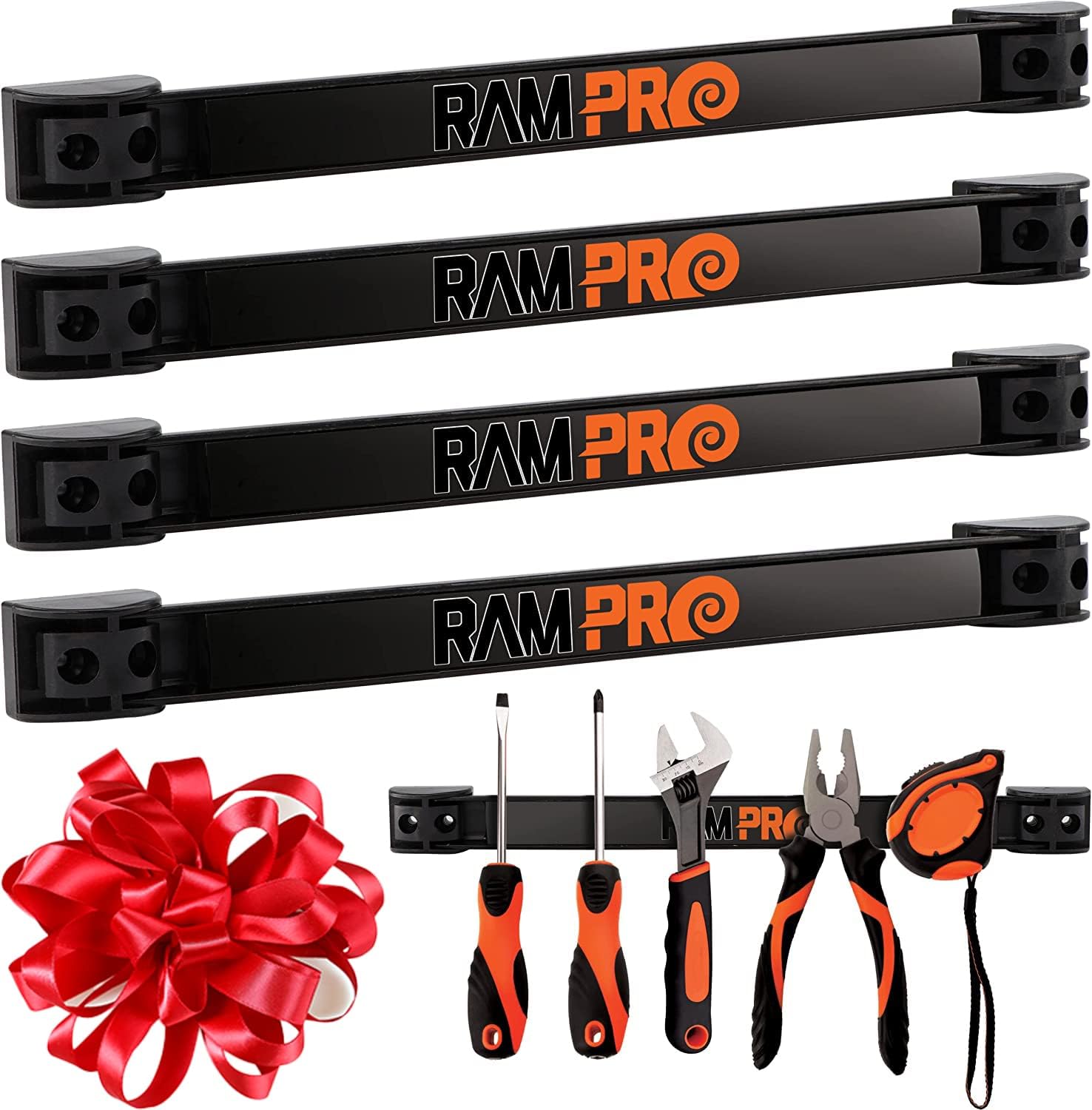
RVs require more tools and maintenance supplies than typical homes. Create dedicated tool storage that’s easily accessible but secure during travel. Magnetic tool strips work well for metal tools, while foam tool organizers prevent damage and noise.
Outdoor Equipment Organization
RV living involves significant outdoor gear that must be stored inside when traveling. Develop rotation systems that move outdoor items between exterior storage compartments and interior cabinets based on weather and usage patterns.
Utility and Infrastructure Items
Sewer hoses, electrical adapters, water pressure regulators, and other RV-specific utilities need organized storage that protects them from damage while keeping them accessible. Use dedicated bins with clear labeling and consider separate storage for clean versus dirty utilities.
Document and Important Paper Management
RVs require extensive documentation including registration, insurance, maintenance records, and campground information. Create a filing system that’s both comprehensive and portable, allowing quick access to essential documents during inspections or emergencies.
10. Technology Integration for Modern RV Organization
Modern technology offers sophisticated solutions for RV organization that the competitor’s article completely overlooked.
Inventory Management Apps
Smartphone apps can track cabinet contents, expiration dates, and shopping lists. Some apps use barcode scanning to simplify inventory management and can sync between multiple users in the same RV.
Smart Storage Solutions
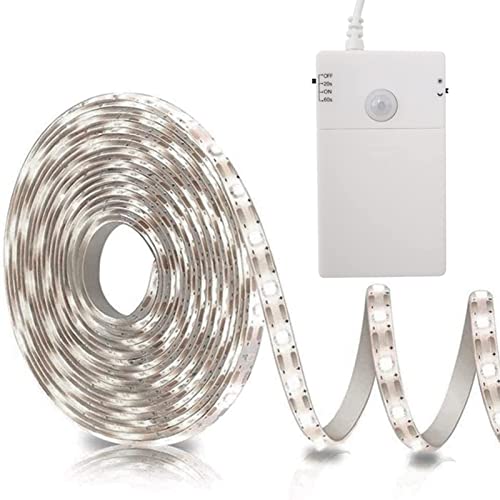
Battery-powered LED strips with motion sensors improve cabinet visibility without drawing significant power. Wireless sensors can monitor temperature and humidity in critical storage areas, sending alerts to prevent damage.
Digital Documentation: Replace physical manuals, warranties, and records with digital versions stored on tablets or smartphones. This eliminates bulky paper storage while improving accessibility and backup capabilities.
11. Long-Term Maintenance and System Evolution
Photo Credit: @c3rvsalesandrentals
Effective RV cabinet organization requires ongoing maintenance and periodic system updates that the competitor’s article failed to address.
Quarterly Organization Reviews
Schedule regular cabinet reviews to assess what’s working and what needs adjustment. RV living patterns change seasonally, and your organization systems should evolve accordingly. Remove items you haven’t used, relocate frequently-needed items to more accessible locations, and update securing systems that have loosened.
Wear Pattern Analysis
Monitor how your organization systems perform under real-world conditions. Identify organizers that slide, break, or become ineffective over time. Replace failing systems before they create bigger problems or safety hazards.
Preventive Maintenance Protocols
Clean cabinet interiors regularly to prevent odors, moisture damage, and pest problems. Check mounting hardware, adjust tension systems, and replace worn securing devices before they fail during travel.
12. Common Organization Mistakes and How to Avoid Them
Photop Credit: @jaycorv
Learning from typical RV organization failures can save time, money, and frustration.
Overloading Mistakes: The biggest error is treating RV cabinets like unlimited storage. Every item should justify its space consumption. Implement a “one in, one out” policy for non-essential items to prevent accumulation of unused gear.
Ignoring Weight Distribution: Poor weight distribution affects RV handling and can cause dangerous driving conditions. Heavy items belong in lower cabinets and toward the RV’s center. Never concentrate weight in rear cabinets or high storage areas.
Inadequate Securing Systems: Items that seem secure while parked often become missiles during emergency braking or rough roads. Test all securing systems by physically shaking cabinets. If anything moves, improve the securing method.
Access Pattern Failures: Placing daily-use items in hard-to-reach locations creates constant frustration. Map your actual usage patterns and optimize storage locations accordingly, even if it means moving less-used items to inconvenient spots.
13. Seasonal Adaptation Strategies
RV organization needs change dramatically with seasons and travel patterns, requiring flexible systems that adapt to different usage scenarios.
Winter Storage Modifications: Cold weather camping requires different organization priorities. Move winter-specific items to accessible locations while relocating summer gear to deep storage. Ensure critical items like antifreeze and heating system supplies remain easily accessible.
Summer Travel Adaptations: Hot weather travel emphasizes cooling supplies, outdoor recreation gear, and increased food storage needs. Reorganize cabinets to prioritize these items while securing winter equipment in less accessible areas.
Extended Stay vs. Frequent Travel: Long-term parking allows more elaborate organization systems, while frequent travelers need simpler, more robust solutions. Develop dual-mode systems that can switch between stationary and travel configurations.
14. Budget Planning and Cost-Effective Implementation
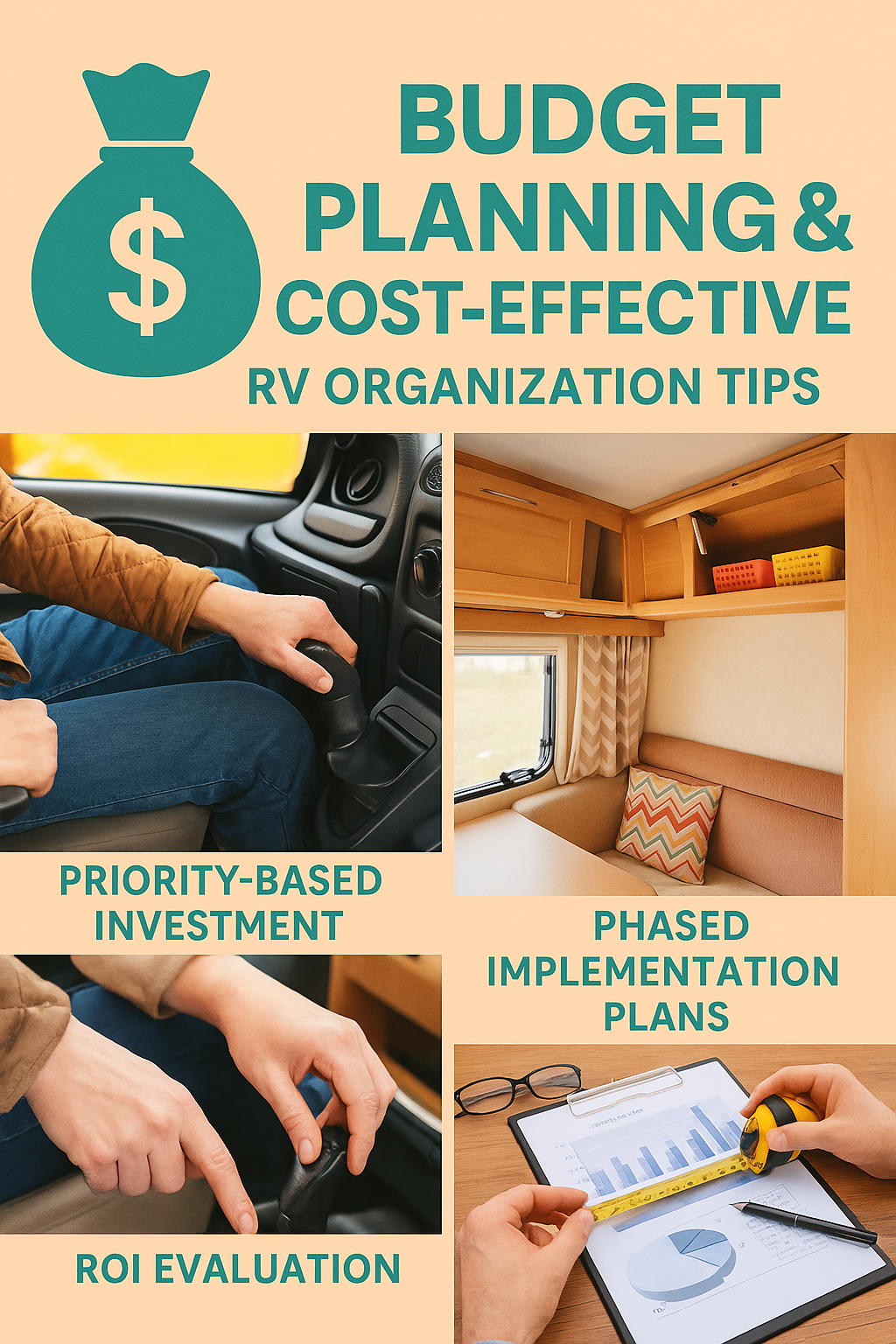
Smart RV organization doesn’t require expensive commercial products, but strategic spending can provide significant improvements.
Priority-Based Investment: Start with safety-critical securing systems before aesthetic improvements. Invest in quality solutions for frequently-accessed areas while using budget alternatives for occasional-use storage.
Phased Implementation Plans: Tackle organization projects systematically rather than attempting comprehensive reorganization at once. This spreads costs over time and allows testing of solutions before committing to expensive systems.
ROI Evaluation: Calculate the value of organization improvements in terms of time saved, reduced stress, and prevention of item damage. Many organization projects pay for themselves through improved efficiency and reduced replacement costs.
15. Advanced Custom Solutions for Unique Challenges
Some RV organization challenges require custom solutions that address specific layout limitations or usage patterns.
Slide-Out Specific Considerations: Items stored in slide-out areas face unique challenges when the slides are retracted. Develop systems that function in both extended and retracted positions, or create easy transfer protocols for moving items during slide operation.
Multi-Use Space Optimization: Many RV areas serve multiple functions, requiring organization systems that adapt to different uses. Create modular solutions that can be quickly reconfigured as spaces change from storage to workspace to living areas.
Accessibility Modifications: RV organization should accommodate users with mobility limitations or aging concerns. Install pull-down shelving systems, improve lighting, and ensure frequently-used items remain within comfortable reach ranges.
Conclusion: Creating Your Personalized RV Organization System
Successful RV cabinet organization requires understanding your specific travel patterns, storage needs, and lifestyle preferences. The solutions outlined in this guide provide a comprehensive foundation, but your perfect system will combine multiple approaches tailored to your unique situation.
Start with safety and securing systems, then gradually implement organizational improvements based on your priorities and budget. Remember that RV organization is an evolving process – what works perfectly at first may need adjustment as your travel patterns and storage needs change.
The investment in proper RV cabinet organization pays dividends in reduced stress, improved safety, and enhanced enjoyment of your mobile lifestyle. Take time to implement these systems properly, and you’ll transform your RV from a cramped living space into an efficiently organized home on wheels that supports your adventures for years to come.
Action Steps to Get Started:
- Conduct a complete cabinet inventory and usage analysis
- Implement essential securing systems for travel safety
- Address your highest-priority storage challenges first
- Gradually expand organization systems based on real-world testing
- Maintain and adjust systems based on seasonal needs and travel patterns
Your journey to RV organization mastery begins with understanding these principles and adapting them to your specific needs. Start small, think systematically, and build solutions that will serve you reliably throughout your RV adventures.
Don’t miss these other popular posts to level up your RV organization game