

There’s something magical about cooking in the open air—birds chirping, fire crackling, and the smell of your favorite meal wafting through the woods. But let’s be honest, nothing ruins that moment faster than digging through bags of scattered utensils or realizing you forgot the salt… again.
A well-organized camp kitchen isn’t just a luxury—it’s the foundation for a stress-free, enjoyable outdoor adventure. Whether you’re a seasoned overlander or heading out on your first weekend camping trip, mastering your camp kitchen setup can transform your meals from chaotic to comfortable, and even a little gourmet.
Contents
- 1 Why Camp Kitchen Organization Matters
- 2 What a Camp Kitchen Really Is
- 3 Tailoring Your Setup to Your Camping Style
- 4 The Importance of Pre-Trip Planning
- 5 Smart Camp Kitchen Gear: What You Really Need (and What You Don’t)
- 6 Designing the Perfect Camp Kitchen Setup: Step-by-Step
- 7 Meal Prep and Food Management: From Planning to Plate
- 8 The Sustainable Camp Kitchen: Cook, Clean, and Leave No Trace
- 9 Final Thoughts: Your Next Camp Kitchen Adventure
Why Camp Kitchen Organization Matters
Many people treat camp cooking as an afterthought. Toss a few cans in a bag, grab a rusty spatula, and call it done. But that mindset often leads to frustration, wasted food, and mealtime letdowns.
By contrast, a thoughtfully organized kitchen makes cooking in nature feel just as easy—and in some ways, more satisfying—than at home. It saves time, reduces clutter, improves safety, and enhances your overall experience. After all, mealtime around the campfire isn’t just about feeding your body. It’s about connection, creativity, and enjoyment.
What a Camp Kitchen Really Is

Photo Credit: @brunneroutdoorofficial
When we say “camp kitchen,” we’re not just talking about a stove and a pot. It’s a functional cooking zone that covers everything from food prep to clean-up. A good setup includes space for prepping meals, a reliable cooking surface, smart storage for ingredients and tools, and a sanitary area for washing up.
The best part? You don’t need expensive gear to make it happen. With a little planning, even a folding table, a cooler, and a few storage bins can become a surprisingly efficient cooking station.
Tailoring Your Setup to Your Camping Style
Not every camper needs the same kitchen. The way you cook in the backcountry looks very different from how you’ll prepare meals at a family campground with your car nearby.
If you’re car camping, you have the luxury of bringing a sturdy table, a full-sized cooler, and a two-burner stove. There’s room for cast iron, fresh ingredients, and a few comfort items like a French press or folding dish rack.
Backpackers, on the other hand, must think lightweight and compact. Here, organization means packing only what’s essential: a small fuel-efficient stove, one pot that doubles as a bowl, and just enough tools to get by without weighing yourself down.
RV campers enjoy built-in convenience, but space inside an RV is still limited. That’s why many opt for an outdoor kitchen setup that keeps mess and heat outside, making storage and cleanup more efficient.
Then there are the overlanders and base campers—those who spend days or even weeks at a time outdoors. Their kitchens often resemble mobile cooking stations, complete with multiple burners, modular drawers, and weatherproof bins filled with spices, oils, and cooking gear. These setups require careful planning but reward you with a home-cooked meal, no matter how far off the grid you go.
Related: 35 Genius RV Kitchen Organization Hacks for Tiny Spaces
The Importance of Pre-Trip Planning
No matter what kind of camping you’re doing, the first step to an organized kitchen happens before you hit the trail.
Meal planning is essential. A simple three-day trip can feel overwhelming if you’re guessing what to cook each day. By mapping out meals in advance, you avoid overpacking, under-packing, or forgetting key ingredients. Choose meals that share common ingredients to cut down on weight and storage.
Next comes ingredient prep. Washing, chopping, and pre-portioning ingredients at home saves you tons of time and hassle at the campsite. Vacuum-sealing proteins, pre-mixing pancake batter, or dividing spices into small containers can streamline your cooking process an
Smart Camp Kitchen Gear: What You Really Need (and What You Don’t)

Photo Credit: @myparrotmybff
Let’s face it—gear is exciting. It’s easy to get carried away buying gadgets that promise to make your outdoor cooking better. But in reality, the best camp kitchens are built with just the right mix of essentials and smart additions that fit your specific needs.
So, how do you strike that balance between being well-prepared and not overpacking?
Choose Function Over Flash
Every item you bring should serve a purpose—ideally more than one. A cast iron skillet might be heavy, but it can fry, bake, sear, and sauté. A collapsible silicone bowl can serve as a prep container, salad bowl, or dishwashing basin. Choose tools that are durable, easy to clean, and compact when stored.
Look for items that nest together to save space. For example, some cooksets come with a pot, lid, pan, and even utensils that fit neatly inside one another. Others are color-coded for group camping, helping keep everyone’s gear separate and organized.
Recommended Product
- Compact and has everything I need for 1–2 people.
- Heats water fast and is easy to clean.
- Lightweight and packs down small.
- Plates are a bit small—more like bowls.
- Handles get hot, so I use caution over open flame.

Don’t Skimp on the Stove
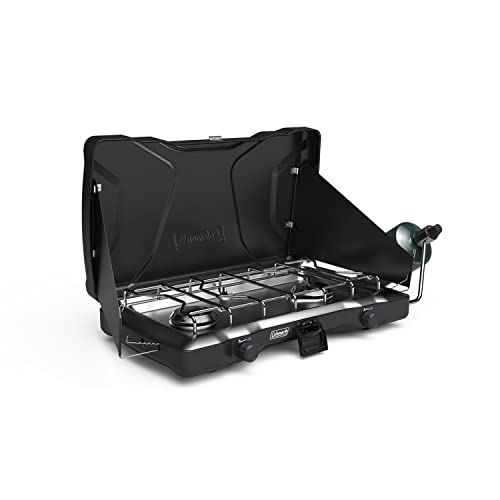
Your stove is the heart of your camp kitchen. A cheap or unreliable one can ruin meals and spirits. If you’re car camping or base camping, invest in a dual-burner propane stove with wind protection and precise flame control. For backcountry treks, opt for a lightweight canister stove or alcohol burner that boils water quickly.
Some advanced campers even bring a small charcoal grill, wood-fired stove, or a Dutch oven setup. It all depends on how far you want to take your wilderness cuisine.
Recommended Product
Organizing Food and Cooking Tools
When it comes to storage, clear plastic bins are your best friend. Label them and keep like items together—one for cooking gear, one for dry ingredients, another for snacks or quick-grabs like trail mix and protein bars.
It’s also helpful to group items by function. Keep all your breakfast supplies in one pouch or bin, your coffee gear in another. This reduces the time spent rummaging and increases the odds of keeping things clean and dry.
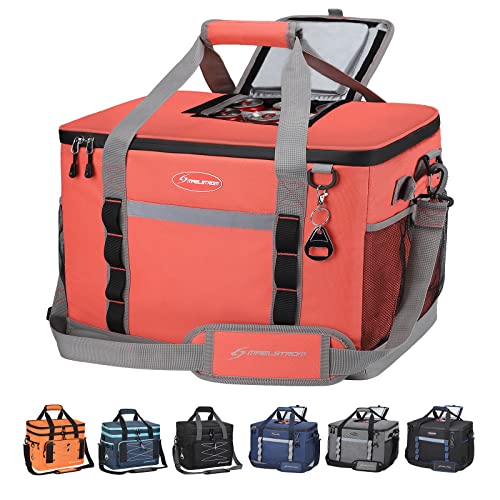
Soft-sided coolers or insulated totes can be great for short trips, but for longer stays, invest in a high-performance cooler with extended ice retention. Freeze water bottles in advance to double as ice packs that become drinking water later.
Recommended Product
The Underrated Hero: Cleaning and Sanitation
One of the most overlooked aspects of camp kitchen organization is cleanup. Without a solid plan, dishes pile up, and food scraps invite unwanted critters.
Always pack a dedicated dishwashing kit: two basins (one for washing, one for rinsing), a biodegradable soap, scrub brush, and drying towel. If you’re in a group, rotate cleanup duties so it doesn’t fall on one person every time.
And don’t forget the trash and food waste. Bring reusable trash bags, compostable liners if possible, and sealable containers for food scraps. If you’re camping in bear country, research the area’s rules for food and waste storage—it could mean bear-proof canisters or hanging your food high from a tree branch.
Recommended Product

Safety and Sustainability
An organized kitchen is also a safer kitchen. Keep fuel and flammables away from open flames. Store knives in sheaths or cases. Make sure all your gear is stable—wobbly tables and uneven surfaces lead to spills, burns, or worse.
Finally, think about your environmental footprint. Replace disposable plates and cutlery with reusable ones. Choose storage containers over single-use plastic bags. A little effort goes a long way in preserving the beauty of the natural places you love.
Recommended Product

Designing the Perfect Camp Kitchen Setup: Step-by-Step

Photo Credit: @littlegrovebruny
Creating a functional and enjoyable outdoor cooking space isn’t about perfection—it’s about smart planning. A well-thought-out setup lets you cook confidently, keep things clean, and stay organized no matter the campsite. Whether you’re pitching a tent near your car or hiking into a backcountry spot, how you arrange your kitchen can make or break the experience.
Start with the Right Location
Location matters more than you think. Find a flat, stable area away from your sleeping space. You don’t want food smells lingering near your tent, especially in wildlife-heavy areas. Pick a shaded spot if possible—it makes cooking more comfortable, and it helps keep perishables cooler.
Be mindful of wind direction. You’ll want your stove or fire setup to be sheltered, either naturally or with a windscreen. If there’s no natural cover, use a pop-up canopy or tarp to protect your kitchen from sun and rain.
Create Functional Zones
Think of your camp kitchen like a mini version of a real kitchen—divided into zones. This keeps traffic flowing and reduces the mess.
1. Prep Zone:
This is where you chop, mix, and get meals ready. Use a folding table or a flat rock as a prep surface. Set up your cutting board, utensils, and ingredients here. A small camping light or headlamp will help during evening prep.
2. Cooking Zone:
Set your stove, grill, or fire pit on level ground. Keep fuel and cooking tools close, but not cluttered. If you’re using propane, double-check connections before lighting anything. Always cook at least 10 feet from your tent for safety.
3. Cleaning Zone:
Designate a spot for dishwashing and waste. Use collapsible tubs for soapy and rinse water. Keep dish soap, sponge, and drying cloth together in a caddy. Plan where trash and food scraps will go before you even start cooking.
Keep Essentials Within Reach
Set up a hanging organizer or crate to hold frequently used items: knives, spoons, lighter, seasonings, etc. Having everything in arm’s reach saves time and keeps your cooking flow smooth. For longer trips, many campers use a portable camp kitchen station or folding pantry shelf to create easy-access storage.
Some campers even create a “kitchen triangle” concept—placing your cooking, prep, and cleaning areas in a rough triangle layout. This mimics the flow of a home kitchen and helps keep things efficient.
Light It Up
You won’t always finish dinner before dark, so good lighting is a must. Headlamps are a simple solution, but lanterns or string lights can light up your whole kitchen area and make evening cooking much more enjoyable. If using string lights, look for battery-operated or USB-rechargeable options to avoid open flames near fuel.
Make It Feel Like Home (Within Reason)
Add a tablecloth, hang a small hook for your mug, or bring a folding chair so you can sip coffee while the oatmeal simmers. These little touches turn your kitchen into more than just a cooking space—they make it a central part of your camp life.
The best setups are personal, practical, and flexible. You don’t need fancy gear to cook great meals outdoors—you just need a good system. And once you have it, every trip becomes a little smoother, a little tastier, and a whole lot more enjoyable.
Related: The Ultimate Guide to Setting Up Your Perfect Camp Kitchen
Meal Prep and Food Management: From Planning to Plate

Photo Credit: @danbrisley
Cooking in the wild doesn’t mean settling for granola bars and canned soup. With a bit of preparation and thoughtful packing, you can enjoy real meals that are satisfying, nutritious, and fun to make. In fact, the more time you spend planning your camp meals ahead of time, the smoother everything will go once you’re at your site.
Start with a Simple Meal Plan
The key to a successful camp kitchen is not bringing more—it’s bringing smarter. Before your trip, create a day-by-day meal plan that includes breakfast, lunch, dinner, and snacks. This helps prevent overpacking and reduces food waste.
Choose recipes that use overlapping ingredients. For example, chopped veggies can go in omelets for breakfast and tacos at dinner. If you’re planning for several days, consider meals that keep well or improve with time—like pasta salad, stew, or marinated proteins.
Use this time to plan your cooking method too. Are you grilling, boiling, or using a camp stove? Choose meals that match your gear.
Pack Ingredients by Meal
Rather than bringing every ingredient in its original packaging, repackage everything at home. Use zip-top bags or reusable containers to portion spices, dry ingredients, or pre-cut veggies. Label everything with a marker. This saves time, space, and guesswork at the campsite.
For proteins, pre-marinate and freeze them in sealable bags before your trip. They’ll help keep your cooler cold and be ready to cook when thawed.
Storing ingredients by meal (e.g., “Day 2 Dinner – Chicken Fajitas”) helps you stay organized and makes each meal feel effortless.
Don’t Forget Food Safety
Outdoors, you don’t have the luxury of a fridge, so keeping perishables safe is crucial. Start by using a cooler with strong ice retention and layer it wisely—ice at the bottom, perishables in the middle, and frequently used items on top.
Keep raw meat sealed tightly and away from fresh food. Use separate cutting boards for meat and produce. And never let cooked food sit out too long—bacteria multiplies fast in warm weather.
Bring a food thermometer if you’re unsure about doneness, especially for chicken or fish. A digital thermometer is small and gives peace of mind.
Manage Your Snacks and Quick Grabs
Snacks are the secret weapon of a good camp kitchen. They bridge the gap between meals and keep everyone happy. Store them in a small crate or pouch that’s easy to grab between hikes or while driving to your next site.
Trail mix, energy bars, fruit, crackers, and jerky are great options. Keep a few surprises like hot cocoa packets or instant soup for chilly evenings—it’ll feel like a treat after a long day.
Clean-Up Starts with Prep
The less mess you make, the easier clean-up will be. Pre-chop ingredients, avoid excessive oil, and cook one-pot meals when possible. Use silicone mats or foil on grill grates to reduce scrubbing later.
Also, bring along some natural, biodegradable soap and a wash basin. Wash dishes right after you eat—dried-on food is harder to clean and invites pests. Hang a mesh bag or towel line to let everything dry completely before packing it away.
The Sustainable Camp Kitchen: Cook, Clean, and Leave No Trace

Photo Credit: @aussie_bush_camping
Modern campers care not just about comfort, but also about impact. A truly organized camp kitchen doesn’t end at meal prep—it includes eco-friendly practices that protect nature and make cleanup effortless. You don’t need to be a wilderness expert to cook responsibly—just follow a few mindful habits.
Reduce Waste Before You Leave Home
A sustainable kitchen starts in your own kitchen. Instead of packing groceries in bulky packaging, portion and repack food into reusable containers. Silicone bags, beeswax wraps, and small jars can replace plastic wrap or throwaway bags. Label everything clearly and avoid disposable single-use items whenever possible.
Bring a reusable water bottle, coffee mug, plate, and utensils for each person. Bonus: you’ll save space and avoid the hassle of managing trash in the wild.
Practice Smart Waste Management
Food scraps, dirty dishwater, and packaging can all become a problem if you don’t plan ahead. Set up a basic waste system with three separate bags or bins: one for trash, one for recycling (if the area supports it), and one for compostables if you plan to take them home.
Never leave trash in the wild, and never burn food wrappers or plastics—they release harmful chemicals and leave behind residue. If camping in bear country, store waste in animal-proof containers or hang it at least 10 feet above the ground and 4 feet away from the tree trunk.
Make Cleanup Easy and Environmentally Friendly
Wash dishes in a separate station at least 200 feet from lakes, streams, or rivers. Use biodegradable soap and scrub over a small basin or collapsible sink. Strain out food particles and pack them out with your trash. Scatter the greywater only if allowed in the region—always check local guidelines.
Dry everything completely before storing to prevent mold and mildew. Mesh drying bags or a clothesline can help you air-dry kitchen cloths, dishes, and cutlery with minimal fuss.
Adopt “Leave No Trace” Habits
The best camp kitchen is the one no one else can tell was there. That’s the spirit of “Leave No Trace”—a set of outdoor ethics designed to protect natural areas. You can follow these simple kitchen-focused principles:
- Cook with minimal impact and avoid overpacking
- Use natural resources like firewood responsibly
- Clean up fully, even small food spills or crumbs
- Avoid contaminating water sources during washing
The Big Picture: Why It All Matters
Camp cooking isn’t just about the food—it’s about the experience. When your camp kitchen is well-organized, your meals become more than just fuel. They become moments—of conversation, of laughter, of pride when you whip up something delicious on a camp stove surrounded by pine trees or a mountain view.
And when you leave your site cleaner than you found it, you’re not just being polite—you’re preserving the outdoors for the next person who wants to share in that same joy.
Final Thoughts: Your Next Camp Kitchen Adventure
A great camp kitchen doesn’t require expensive gear or complicated systems. It starts with intention: plan your meals, pack what you need, keep your space clean, and think sustainably. Whether you’re heading out for a weekend getaway or an extended backcountry trek, your kitchen should feel like a natural part of your outdoor rhythm—not a hassle.
So pack your skillet, grab that spice kit, and hit the trail with confidence. The perfect camp kitchen is out there—ready to be built, one meal at a time.