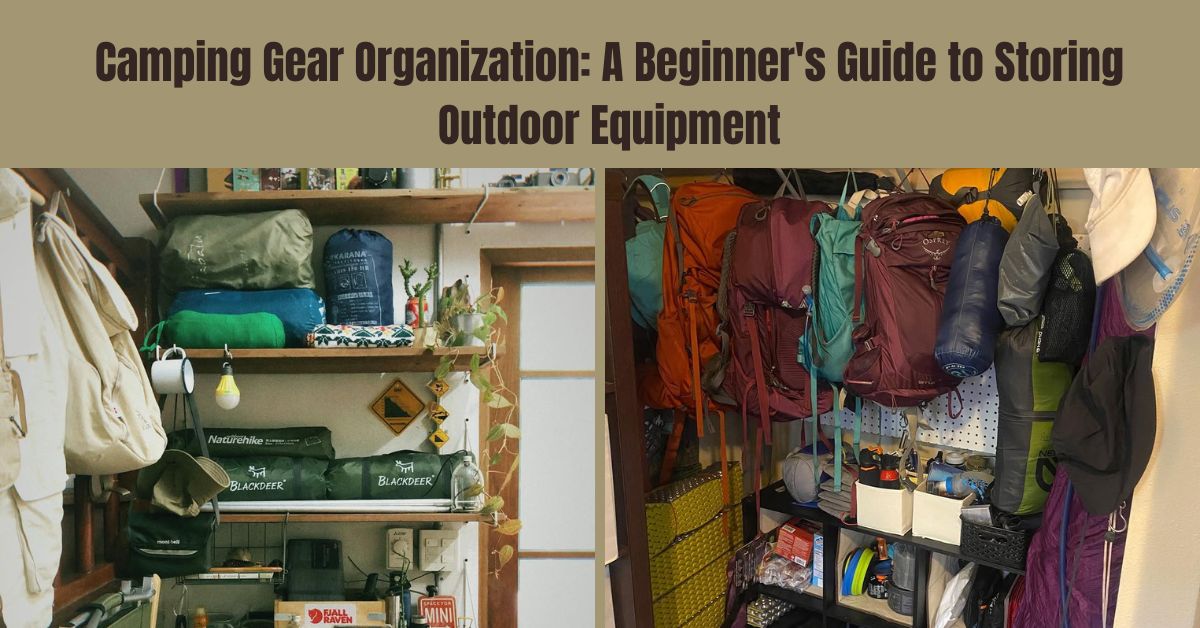
Packing up your camping gear after an adventure can feel like a daunting task, but with the right approach to storage, you can ensure your equipment stays in top condition, ready for your next adventure. Whether you’re a first-time camper or a seasoned outdoors enthusiast, learning how to properly store your gear is essential to make it last longer and save time when you’re gearing up for your next trip.
In this guide, I’ll walk you through everything you need to know about storing your camping gear. I’ll share step-by-step instructions on how to sort, maintain, and store all kinds of essentials—from tents and sleeping bags to hiking boots and more. By following these tips, I’ve found it’s much easier to keep everything organized and in great shape. Plus, proper storage can really help extend the life of your gear, so you’re always ready for your next outdoor adventure.
Contents
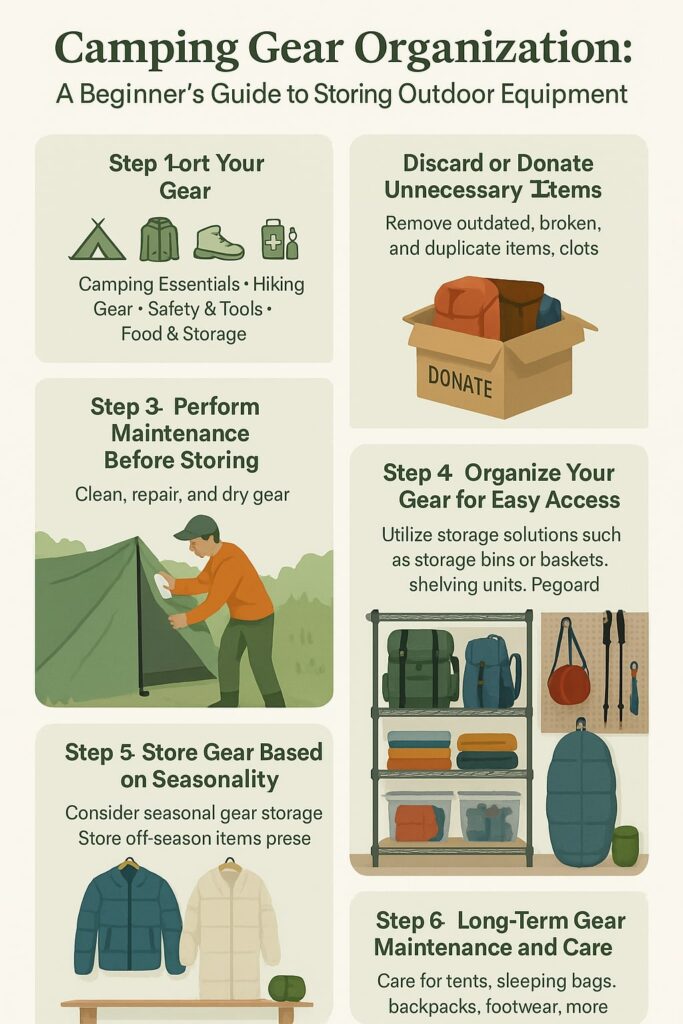
Step 1: Sort Your Gear
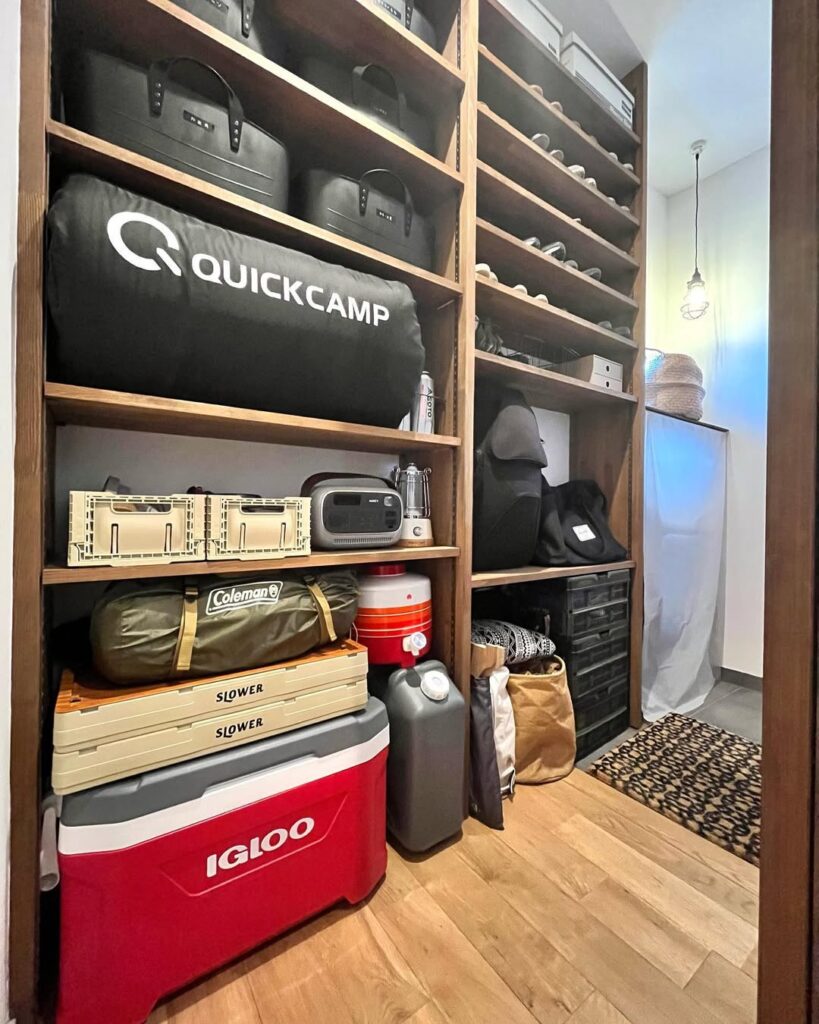
Photo Credit: @mashley.1203
The first step in organizing your camping gear is to take stock of everything you have. It’s essential to declutter and assess each item before storing it away for the off-season. Start by pulling all your camping gear out of storage – whether it’s in your garage, closet, or basement. This gives you a chance to clean up the area where you store your gear and create a fresh start for the new season.
Organizing Your Gear by Category
Once everything is out, organize your gear into categories. This will help you determine what storage solutions you’ll need. For example:
- Camping Essentials: Tent, sleeping bag, sleeping pad, stove, cookware, etc.
- Clothing: Jackets, rain gear, base layers, gloves, etc.
- Hiking Gear: Boots, backpacks, trekking poles, etc.
- Safety & Tools: First aid kit, water filtration system, headlamp, knives, etc.
- Food & Storage: Coolers, food containers, utensils, etc.
Tip: Take inventory as you sort your gear. Write down items that you need to replace or items that have been damaged. This will help you plan for your next shopping trip or sale season.
Step 2: Discard or Donate Unnecessary Items
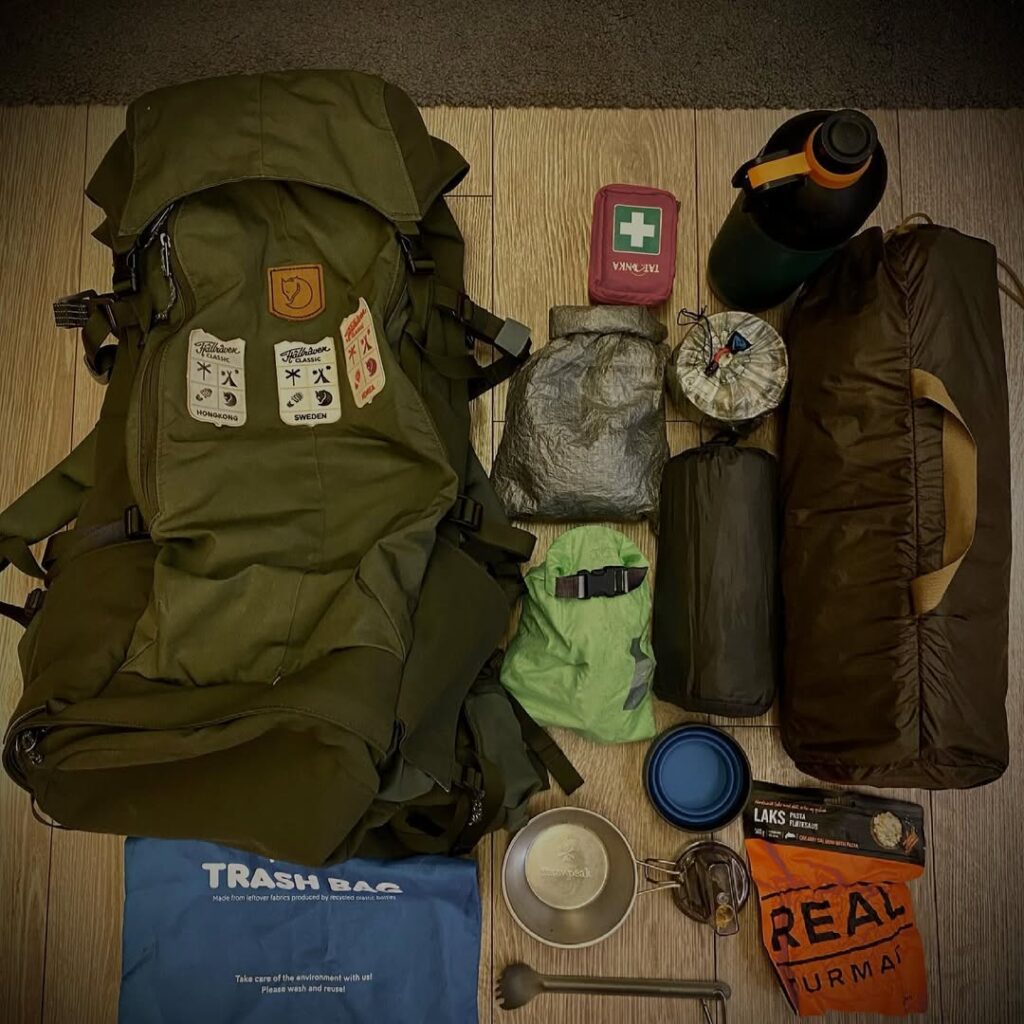
Photo Credit: @outdoor_is_living
After sorting through your gear, it’s time to decide what stays and what goes. Over time, you might accumulate duplicates, items that no longer serve you, or gear that’s simply not in good condition anymore. The key here is to be honest with yourself about what you need and what’s just taking up space.
How to Declutter Your Gear
- Outdated or Broken Gear: If an item is beyond repair or is simply no longer functional, it’s time to part ways with it. This might include old tents with broken poles, sleeping bags that no longer keep you warm, or water filters that no longer function properly.
- Duplicate Items: Over the years, it’s easy to collect multiple versions of the same piece of equipment (like flashlights, multitools, or sleeping mats). If you have duplicates that are just collecting dust, consider donating or selling them. You can use platforms like eBay, Facebook Marketplace, or specific outdoor gear exchange programs to resell them.
- Clothing and Gear You Don’t Use: Items like jackets or sleeping bags that no longer fit or are too worn out to use should be donated if they are still in usable condition. Many outdoor organizations and charities accept secondhand gear. Alternatively, you can trade them in for store credit at places like REI’s Member Trade-in program.
Tip: Set aside a “donate” or “sell” pile as you go through each category. This will make it easier to part with items you no longer need.
Step 3: Perform Maintenance Before Storing
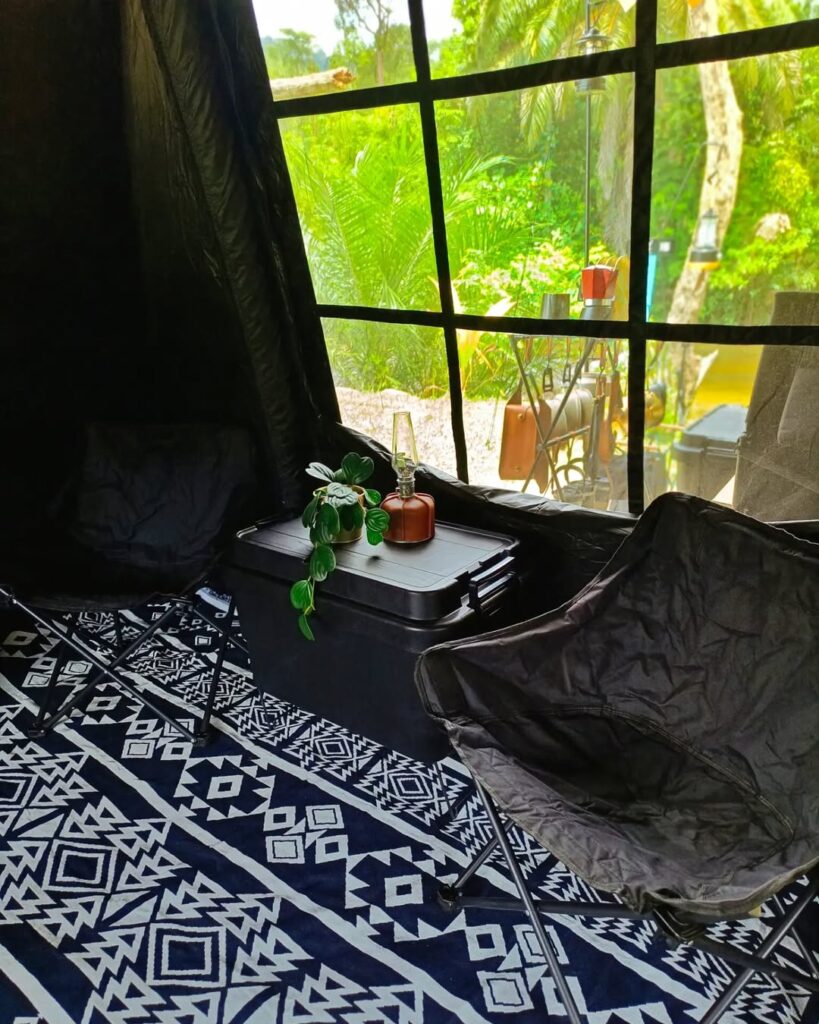
Photo Credit: @saerahadlyandadlyhussaini
Before putting your gear away for the season, it’s essential to do a bit of maintenance. This not only ensures your equipment is ready to go when the next season rolls around, but it also helps to preserve its condition.
Maintenance Tips for Common Gear Types
- Tents: Check your tent for any rips, tears, or damage. If necessary, perform minor repairs with a tent repair kit. Always clean the tent thoroughly, inside and out. Use a mild soap solution and avoid harsh detergents. Once clean, make sure it is completely dry before storing. Moisture can lead to mold growth, so always store your tent in a well-ventilated area.
- Sleeping Bags: Sleeping bags should be cleaned according to the manufacturer’s instructions. Most modern sleeping bags can be machine washed, but it’s best to use a gentle cycle with mild detergent. Once clean, store the sleeping bag in a large, breathable storage bag rather than its compression sack. This prevents the down or synthetic filling from becoming compressed, which can affect its insulating ability. Hang it in a dry area or lay it flat to fully air out.
- Hiking Boots and Shoes: Clean your boots thoroughly and allow them to dry at room temperature. Remove the insoles and let them dry separately. Avoid using heat sources (like a radiator or fire) to dry your boots, as this can damage the materials. Store your boots in a cool, dry place, and avoid sealing them in airtight containers, as they need ventilation.
- Backpacks and Gear Bags: Like boots, backpacks need to be cleaned and dried before storage. Remove all items from the bag, wipe down the interior and exterior with a damp cloth, and allow it to dry completely. Store your backpack in a cool, dry location where it can maintain its shape.
Tip: For items like sleeping pads, air them out after every trip to ensure they don’t develop moisture inside, which can lead to mildew. Use a hairdryer on a cool setting to dry the interior of sleeping pads if necessary.
Step 4: Organize Your Gear for Easy Access
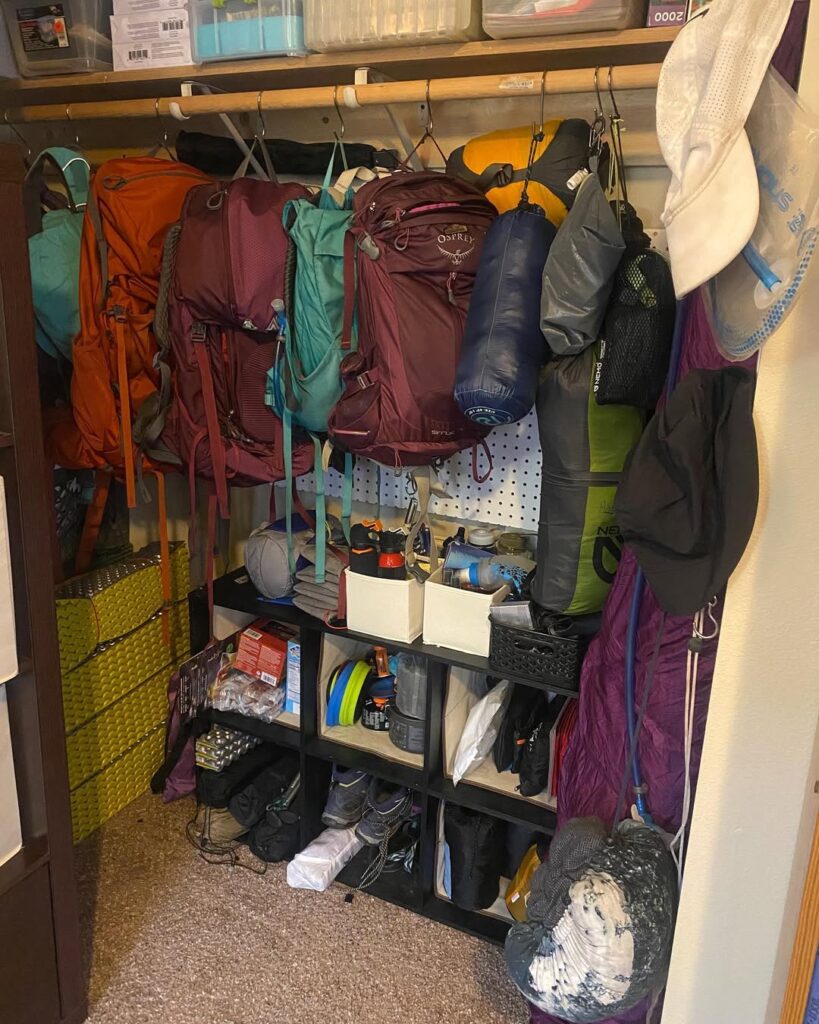
Photo Credit: @calliestarks
Now that you’ve decluttered, maintained, and cleaned your camping gear, it’s time to get it organized. A well-organized storage system will not only protect your gear, but it will also make it much easier to access when you need it most.
Choosing the Right Storage Solutions
When it comes to storing outdoor gear, the goal is to maximize space while keeping everything easily accessible. Depending on the amount of gear you have and the space available, you’ll want to find the best storage solutions. Here are some options to consider:
- Storage Bins and Baskets: These are perfect for storing small items that could easily get lost or disorganized. For example, camp kitchenware, clothing, and small accessories (like gloves, headlamps, or multi-tools) can be stored in clear plastic bins. The transparency of the bins allows you to see exactly what’s inside, making it easier to find what you need quickly. For added organization, consider using dividers inside the bins.
- Shelving Units: If you have the space, shelves can help store larger items, like backpacks, tents, and sleeping bags. Adjustable shelving units are a great option because you can change the height to accommodate different gear sizes. Make sure the shelves are strong enough to support the weight of your equipment.
- Pegboards and Hooks: For frequently used items or gear that you need to access quickly, consider installing a pegboard in your garage or storage space. Hanging gear like climbing ropes, cooking pots, or trekking poles on hooks can help keep them visible and easy to grab when you’re preparing for your next adventure.
- Drawer Organizers: If you have a dedicated space for your camping gear, consider using drawers to keep things neat and orderly. These can be used to store smaller items like utensils, camp stoves, or first aid kits. Organizing your gear by category and labeling each drawer will help prevent you from hunting for your gear each time you head out.
- Hanging Storage: For lightweight gear such as sleeping bags, jackets, and smaller backpacks, hanging them in your closet can save space and maintain the items’ shape. This prevents compression, which can damage the insulation or structure of the items over time. If you’re using hanging storage for items like sleeping bags, make sure they’re stored in breathable sacks to prevent moisture buildup.
Labeling Your Gear
One of the most effective ways to stay organized is by labeling everything. When storing items in bins or on shelves, create clear labels to identify the contents. This makes it much easier to locate what you need, especially when you’re in a rush to get out on your next camping trip.
You can label bins and storage containers using a label maker, or simply use masking tape and a permanent marker. Be specific with the labeling—don’t just write “camping gear” on the box. Instead, list items like “Camp Kitchen,” “Camping Clothing,” or “Sleeping Gear.”
Step 5: Store Gear Based on Seasonality
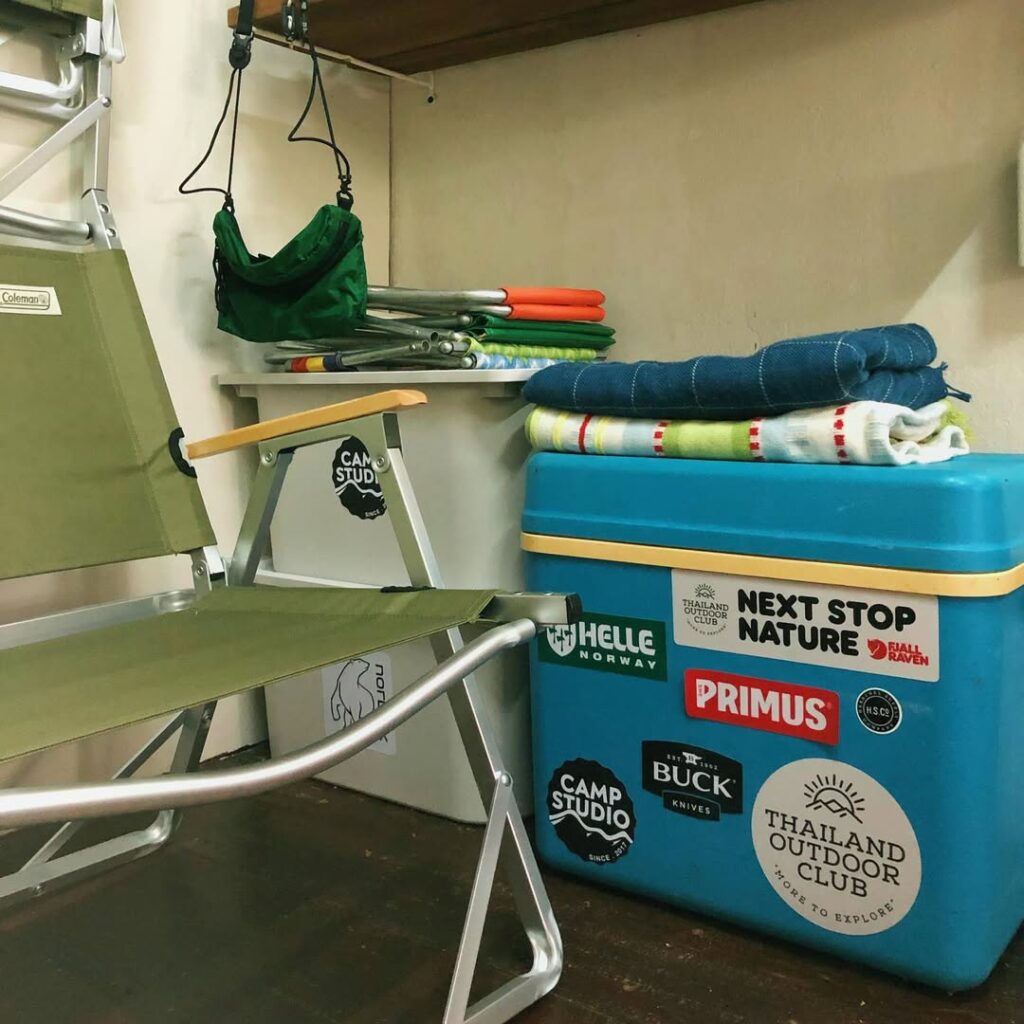
Photo Credit: @she_explores
Not all camping gear needs to be stored the same way. Depending on the time of year, you might want to store your gear differently to protect it or optimize space. For example, your winter gear will need to be stored with more care than your summer equipment, especially if it involves insulating materials like down or synthetic fibers.
Seasonal Gear Storage Tips
- Winter Gear: If you’re storing winter-specific gear like insulated jackets, snowshoes, or cold-weather sleeping bags, it’s important to ensure they stay dry and well-ventilated. Moisture can cause insulation to break down, reducing the effectiveness of the gear. Store these items in breathable storage bags or hang them in a cool, dry place to preserve their loft and performance.
- Summer Gear: Items like lightweight tents, sleeping bags, and clothing made from synthetic materials can be stored in small, breathable sacks or bins. Make sure everything is completely dry before putting it away, as moisture from sweat or humidity can cause mildew to form.
- Off-Season Items: For items that you won’t use during the off-season, such as winter boots or snow camping gear, consider storing them in sealed containers to protect them from dust and pests. Just make sure the container has some ventilation to avoid moisture buildup.
Step 6: Long-Term Gear Maintenance and Care
While organizing your gear is an essential step for both accessibility and longevity, long-term care and maintenance are equally important. Proper maintenance can extend the life of your camping gear, saving you money and keeping your equipment in top condition.
Tents: Clean and Store for Longevity
Tents take a lot of abuse, from harsh weather conditions to rough handling during packing and unpacking. Proper cleaning and maintenance are crucial to ensure they last for many seasons to come.
- Clean Your Tent: Before storing your tent for the season, clean it thoroughly. Use a mild soap solution or a cleaner specifically designed for tents. Scrub off any dirt, grime, or sap that has accumulated during your adventures. Be gentle when cleaning to avoid damaging the waterproof coating or fabric.
- Dry Completely: Moisture is the enemy of tents. Mold and mildew can quickly take hold if your tent is stored while damp. Set your tent up to dry in a well-ventilated area, preferably outdoors, but not under direct sunlight (as this can damage the fabric). Once it’s completely dry, fold it loosely or store it in a breathable bag instead of the original stuff sack, which can compress the fabric over time.
- Repair Minor Damage: Check your tent for any small tears, holes, or damage to the zippers or rainfly. Repair these issues before storing the tent to prevent further damage. Use a tent repair kit or patch any holes with appropriate materials.
Sleeping Bags: Store for Insulation Preservation
Sleeping bags are another piece of gear that requires special attention to maintain their insulation and structure. Improper storage can lead to a loss of warmth and the degradation of the bag’s fill.
- Avoid Compression: Storing your sleeping bag in its compression sack for long periods is a quick way to ruin the insulation. Instead, use a large, breathable sack or a hanging system to allow the bag to retain its loft and warmth. The more air circulation, the better.
- Keep It Clean: If your sleeping bag has accumulated dirt or grime, clean it according to the manufacturer’s instructions. Use a gentle cycle on your washing machine or a specialized sleeping bag cleaner. Ensure it is thoroughly dried before storage, as moisture can lead to mold and mildew growth.
Backpacks: Clean and Maintain Functionality
Backpacks are exposed to harsh conditions and a lot of wear and tear. Proper care will ensure your backpack stays in great shape for years of outdoor adventures.
- Spot Clean and Dry: After each use, wipe down your backpack to remove dirt, mud, or food stains. If it needs a deep clean, hand wash it using a mild detergent. Do not machine wash unless the manufacturer specifies that it’s safe to do so.
- Store Properly: To maintain the shape of your backpack, stuff it with a few soft items or use a packing cube to help it retain its structure during storage. Store it in a cool, dry place away from direct sunlight.
- Check for Repairs: Regularly inspect your backpack for damaged zippers, straps, or seams. Repair any issues before storing it away to prevent further damage.
Footwear: Dry and Store with Care
Boots and shoes can be the most difficult pieces of gear to maintain, especially after long, muddy, or wet trips. Storing them improperly can lead to odors, mold, and degradation of materials.
- Dry Completely: After a trip, make sure your boots are completely dry before storing them. Avoid using heat sources like radiators or campfires to dry them, as this can warp or damage the materials. Instead, stuff the boots with newspaper and leave them to dry naturally in a well-ventilated area.
- Keep Them Clean: Wash the boots according to the manufacturer’s instructions. Remove the insoles, clean them separately, and allow everything to dry before reassembling.
- Avoid Sealed Containers: While it may be tempting to store your boots in a sealed plastic container, it’s best to allow them some air circulation. Store them in a dry, cool space, and if possible, hang them on hooks or place them on a shelf.
Clothing: Maintain Freshness and Longevity
Your outdoor clothing, including jackets, base layers, and rain gear, deserves the same level of care as your larger gear. Proper storage ensures they stay fresh, functional, and ready for your next adventure.
- Wash and Dry: Clean your outdoor clothing according to the care instructions. Many outdoor fabrics, especially waterproof or breathable jackets, require special attention when washing. Use a gentle detergent and avoid fabric softeners, which can break down waterproof coatings.
- Avoid Compression: Like sleeping bags, avoid compressing your jackets or clothing for long-term storage. Instead, hang them in a cool, dry place or store them loosely in breathable bags.
- Store in a Dry Location: Ensure your clothing is completely dry before storing it. Avoid storing damp clothing in places prone to moisture, like basements or garages, as this can cause mildew and odors.
Final Thoughts: Your Gear, Ready for Next Season
By following these steps, you can extend the lifespan of your camping gear while keeping it organized and accessible for your next adventure. A well-maintained storage system not only helps preserve the quality of your gear but also makes preparing for your outdoor trips much easier. Whether you’re storing your gear for the off-season or simply looking to organize it for easy access year-round, taking the time to properly clean, store, and maintain your gear will pay off in the long run.
Found this helpful? Save the image and share the inspiration!