

Camping is an opportunity to escape the hustle of everyday life and connect with nature. But whether you’re a seasoned camper or a newbie, one thing is certain: A well-organized camp kitchen can transform your outdoor experience. Instead of relying on pre-packaged meals or basic snacks, setting up a functional, well-equipped kitchen allows you to prepare delicious, home-style meals that enhance your camping trip.
In this guide, I’ll walk you through the essentials for a perfect camp kitchen, including key gear, safety tips, meal planning, setup, and advanced hacks that will help you become a camp culinary pro.
Contents
Essential Gear for Your Camp Kitchen

Photo Credit: @lovezee
To ensure your meals go smoothly, it’s important to invest in the right gear. Depending on your camping style, the equipment needed can vary, but here are the must-have items to get you started:
Cookware
When it comes to camp cooking, your cookware is your foundation. There are various materials and designs available today, each offering unique advantages.
Cast Iron Dutch Oven

A versatile option for cooking stews, soups, or even baking bread over the fire. It retains heat well, making it perfect for slow-cooked meals.
Non-stick Cookware
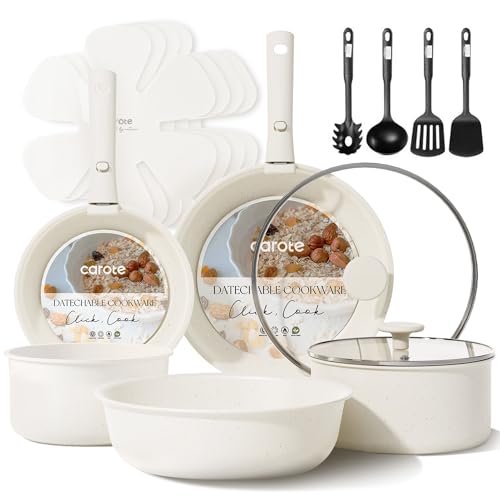
Lighter than cast iron and easier to clean, non-stick cookware is great for sautéing, frying, or scrambling eggs.
Stainless Steel Pots and Pans

Known for durability and easy maintenance, these are great for boiling water, making soups, and cooking rice or pasta.
Make sure your pots and pans come with lids, as this will help you cook faster and more efficiently. A sturdy spatula and tongs are also essential to manage your food.
Camping Stove
While campfire cooking is a fun experience, it’s not always practical. A camping stove adds flexibility and saves you time. For short trips or backpacking, a single-burner stove will suffice. For family or group camping, consider a two-burner stove, which allows you to multitask and prepare multiple dishes simultaneously.
Recommended Product
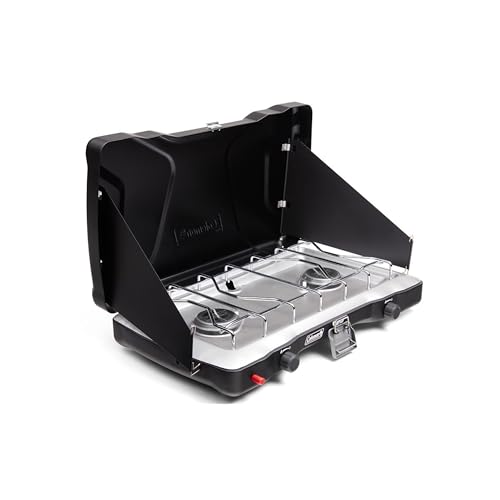
Tip: If you’re cooking on an open flame, using a windscreen around your stove will improve efficiency and reduce fuel consumption.
Utensils
Much like at home, the right utensils are essential for your cooking setup.
Chef’s Knife

A sharp, sturdy knife is essential for chopping vegetables, cutting meat, and slicing fruit.
Cutting Board

Lightweight, foldable cutting boards are ideal for camping as they can be easily packed and stored.
Measuring Cups & Spoons

These come in handy when you need to follow specific recipes, ensuring accurate ingredient measurements.
Can Opener & Corkscrew

Don’t forget these basic tools to open cans and bottles. A multi-tool is also a great addition.
Tableware

Disposable tableware might seem convenient, but it’s better to use reusable plates, cups, and utensils. This is more eco-friendly and reduces waste. Look for lightweight, durable options that can withstand both heat and the outdoors.
Bonus: A mess kit that includes all the necessary items—plates, bowls, utensils, and a cup—can save space and streamline your setup.
Cleaning Gear
A successful camp kitchen isn’t just about cooking; it’s also about cleaning up after yourself. You’ll need:
Biodegradable Soap

To clean your dishes without harming the environment.
Sponge & Dish Towels

Handy for wiping down surfaces and drying dishes.
Portable Sink or Containers

If you’re cooking with limited water sources, a collapsible sink or large container can help with washing dishes and collecting water for cleanup.
Related: 35 RV Must Haves for Comfortable and Stress-Free Travel
Preparing Your Camp Kitchen Before You Leave Home

Photo Credit: @lovezee
As the saying goes, “Preparation is key,” and this is especially true when setting up a camp kitchen. By organizing your gear and meals in advance, you can maximize your time outdoors and minimize the stress of cooking. Let’s explore how you can prep everything for a smooth camping experience.
1. Make a Camp Kitchen Checklist
A checklist is one of the simplest yet most effective ways to ensure you don’t forget any crucial equipment. Write down all the items you’ll need for cooking and eating. Keep in mind that the more organized your list, the easier packing and setting up your kitchen will be. You can use a basic checklist for items like pots, pans, knives, and cleanup supplies, and also add any extra equipment like a camping grill or portable lighting.
2. Pre-Pack Your Cooking Gear in Bins
Storage bins are great for keeping your camp kitchen organized. Label each bin or tote with its contents so you can easily grab what you need when you arrive at the campsite. Consider organizing your items by category, such as “cooking tools,” “cleaning supplies,” “tableware,” and “spices/seasonings.”
Pro Tip: Invest in stackable bins to save space and make your packing more efficient. This system also helps you keep your gear in good condition by keeping everything neatly stored away.
3. Prep Ingredients at Home
Cutting down on meal prep time while camping is essential for a stress-free cooking experience. Before you hit the road, chop your vegetables, marinate your meat, and prepare any dry ingredients. Store them in labeled containers or resealable bags for easy access at the campsite.
4. Pack Simple, Versatile Ingredients
Opt for versatile ingredients that can be used in multiple meals. For example, onions, garlic, and potatoes are great staples that can be used in stews, salads, or grilled dishes. Canned vegetables and beans are lightweight and easy to pack, while spices and seasonings can turn any basic meal into something special.
5. Pre-Make Simple Recipes
If you want to avoid complicated cooking at camp, pre-make some of your meals at home. Dishes like chili, pasta sauce, and casseroles can be cooked in advance and frozen. All you’ll need to do is reheat them at the campsite, saving time and energy.
Setting Up Your Camp Kitchen at the Campsite

Photo Credit: @casita.castonguay
Once you arrive at your campsite, it’s time to create your cooking space. Organizing your kitchen in a thoughtful way ensures you’ll have everything you need within reach, and it keeps the site tidy and efficient.
1. Choose a Good Spot for Your Kitchen
Location is key when setting up a camp kitchen. Ideally, pick a flat, stable surface away from your tent and sleeping area. This helps minimize the risk of food attracting wildlife near where you sleep. If there’s a picnic table available, it’s an excellent option for laying out your kitchen gear and preparing meals.
Pro Tip: If you’re in a remote area, bring a portable table for food prep and stove setup. It keeps your cooking space organized and makes cleanup much easier.
2. Organize Your Gear and Ingredients
Before you begin cooking, take a few moments to arrange your cooking gear. Lay out all your ingredients, cookware, utensils, and cleaning supplies in an organized manner. This allows you to see everything you have on hand and prevents scrambling for missing items mid-cook.
Consider setting up your cooking station with these steps:
- Cooking Station: Stove, cookware, utensils, fuel, and matches.
- Prep Area: Cutting board, knife, chopping ingredients, and measuring cups.
- Cleaning Station: A wash station with a water source, biodegradable soap, and drying towels.
3. Set Up a Washing Station

Photo Credit: @janeygirl_01
Having a dedicated washing station is essential to maintaining cleanliness and hygiene during your camp cooking. Bring a collapsible wash basin or plastic bins to wash dishes. You’ll need three containers:
- Soak: A bin with hot, soapy water for soaking dishes.
- Rinse: A bin with clean, hot water for rinsing.
- Final Rinse: A third bin with cool water for a final rinse.
If you’re using a large bucket for water, hang it from a tree or a hook on a picnic table using a bungee cord. This makes accessing water easier without having to carry it back and forth.
4. Keep Your Kitchen Clean as You Go
Cleaning as you cook is not only more efficient but also reduces the amount of work you need to do at the end of the meal. Try washing dishes after each step—if you’re done with one cooking utensil or pot, clean it before starting the next part of the meal. This will keep your cooking area tidy and ensure you don’t get overwhelmed by the mess at the end.
5. Consider Building a Chuck Box for Maximum Efficiency
If you plan to camp often, consider building a portable camp kitchen, also known as a chuck box. This box can store all your kitchen gear in one compact, organized unit. It serves as an all-in-one solution for easy setup and cleanup at your campsite. You can DIY one or purchase a pre-made model, and it typically includes shelves, drawers, and a countertop for cooking.
Cooking Tips to Enhance Your Camp Kitchen Experience

Photo Credit: @camp_foracure
Once you’ve got your gear set up, it’s time to dive into the heart of the camp kitchen: cooking! Outdoor cooking offers plenty of opportunities to get creative and enjoy meals that are more than just basic camp food. Here are some helpful tips to elevate your camp cooking.
1. Prep Ahead of Time for Easier Cooking
A little planning goes a long way when you’re out camping. Prep your meals ahead of time so that cooking at the campsite is a smooth process. Here are a few things you can do before you leave home:
- Chop and Slice Ingredients: Pre-chop vegetables, meats, and other ingredients, then pack them in labeled, airtight containers or reusable silicone bags.
- Pre-Mix Dry Ingredients: Mix spices, herbs, and flour for your recipes, and store them in resealable bags or containers.
- Marinate Proteins: Marinating meat, fish, or tofu before the trip means you’ll have a flavorful base ready to cook.
By doing this, you’ll minimize time spent at camp preparing food, so you can focus on enjoying the great outdoors.
2. Experiment with Campfire Cooking Techniques
While a stove is convenient, don’t forget the potential of cooking over an open fire. There are several classic campfire cooking methods that can bring out incredible flavors in your meals:
- Foil Packets: Wrap your ingredients (like fish, potatoes, and vegetables) in foil and cook them directly in the coals. This method is simple and creates delicious, tender dishes.
- Skewering: Use long metal or wooden skewers to cook meats, vegetables, or even fruits like pineapple over the flames. Rotating the skewers ensures even cooking.
- Dutch Oven Cooking: If you brought a Dutch oven, take advantage of its versatility for baking, stewing, or roasting. It’s perfect for dishes like chili, bread, or even cobblers.
3. Bring the Right Spices and Condiments
Elevating your meals at the campsite can be as simple as having the right spices and condiments on hand. While salt and pepper are basic, consider adding a few more seasonings to elevate your flavors:
- Spices: Bring small containers of cumin, paprika, garlic powder, chili powder, and any other favorite spices.
- Condiments: Pack portable sauces, marinades, or even a few homemade spice blends in squeeze bottles for easy application.
By adding these small touches, you can transform simple meals into exciting culinary adventures.
4. Don’t Forget to Hydrate
Cooking outdoors means you’ll likely spend a lot of time on your feet, whether gathering firewood or setting up your kitchen. Staying hydrated is key to maintaining energy and focus while preparing meals. Pack plenty of water or carry a portable water filter if you’re camping in areas with natural water sources. To keep things interesting, you can also bring along electrolyte drinks or flavored water packets for extra refreshment.
5. Get Creative with Camp Desserts
Why limit yourself to savory dishes when it comes to camp cooking? Desserts are just as fun to prepare! Some simple but delicious camp-friendly dessert ideas include:
- Campfire S’mores: A classic that everyone loves, but consider making it even better with flavored marshmallows or adding toppings like peanut butter, Nutella, or fresh fruit.
- Foil-Wrapped Apple Crisp: Slice up apples, add some cinnamon, sugar, and granola, then wrap it all up in foil and cook over the fire for a deliciously warm dessert.
- Banana Boats: Slice a banana in half lengthwise, add chocolate chips and marshmallows, then wrap it in foil and heat it over the fire.
With just a few extra ingredients, you can create satisfying and indulgent treats that cap off any camping meal perfectly.
Cleaning Up and Leaving No Trace

Photo Credit: @wiiinniii
After a delicious meal, cleaning up efficiently and responsibly is crucial to ensure a good experience for everyone in the camp and protect the environment.
1. Clean as You Go
Cleaning up as you cook can save a lot of time and effort after the meal. Try to wash dishes and utensils as soon as you’re done using them, rather than leaving them for later. A simple, efficient cleanup routine will allow you to relax and enjoy the rest of your camping trip without the burden of leftover dishes.
2. Set Up a Functional Washing Station
An organized washing station can simplify cleanup. A few items to consider for your setup:
- Water Storage: A collapsible water container or a jug with a spigot works great for easy access to water. Having one with a spout for controlled flow is ideal.
- Biodegradable Soap: Opt for environmentally-friendly, biodegradable soap that won’t harm plants, animals, or the water sources around you.
- Drying Area: A small drying rack or a clean towel will help you dry dishes after washing.
Set up your station away from water sources to prevent soap and food particles from contaminating natural water.
3. Use a Three-Bin System for Washing Dishes
Follow the classic three-bin method for an effective dishwashing process:
- Bin 1 (Wash): Fill with hot water and biodegradable soap.
- Bin 2 (Rinse): Fill with clean water for rinsing.
- Bin 3 (Sanitize): If possible, add a small amount of water treated with a sanitizing solution or just use cool water to do the final rinse.
This method keeps your camp kitchen hygienic and ensures you’re practicing Leave No Trace principles.
4. Pack Out Your Trash and Waste
When it comes to trash and waste, the golden rule is: pack it all out. Leave no trace of your visit to preserve the wilderness for others to enjoy:
- Food Waste: If you have food scraps, be sure to filter them using a piece of cheesecloth or pantyhose, and pack out everything. Avoid burying food scraps, as it attracts wildlife.
- Trash Bags: Pack reusable trash bags for garbage and recyclables. Always check your campsite for any leftover debris before leaving.
5. Be Mindful of Food Storage
To keep your food safe from wildlife and comply with camping regulations, store your food properly. Consider investing in a bear-proof container or storing food in your car or in a hanging system that wildlife can’t reach. Following food storage guidelines is vital for both safety and minimizing the environmental impact.
6. Dispose of Water Properly
Dump used dishwater away from water sources to avoid contamination. Disperse water over a large area to prevent pooling. Many campgrounds have designated dishwashing stations or wastewater disposal areas, so be sure to check local rules for waste disposal.
Final Thoughts
Setting up the perfect camp kitchen isn’t just about having the right gear; it’s about making your time outdoors enjoyable and sustainable. By planning ahead, packing smartly, and practicing Leave No Trace principles, you can enjoy your camping trip while minimizing your environmental footprint. Whether you’re roasting marshmallows over the campfire or whipping up a gourmet meal on a stove, the right camp kitchen setup will make your camping experience even more memorable.
By following these tips, you can enjoy delicious, well-prepared meals, save time, and create lasting memories with friends and family around the campfire. Happy camping!