
When it comes to camping, one of the most important considerations is sanitation. Whether you’re heading into the wild for a week-long trek, or simply setting up camp in a designated campground, having a reliable toilet option is crucial for both comfort and hygiene. While public restrooms might be available in some campgrounds, more remote camping spots require campers to get creative with their toilet solutions.
In this guide, I’m sharing my top 5 camping toilet ideas—everything from easy DIY options to more comfortable, high-end setups. Whether you’re heading out for your first camping trip or you’re a seasoned pro, these ideas have helped me keep things clean, comfortable, and eco-friendly while enjoying the great outdoors.
1. Composting Toilets: The Eco-Friendly Option
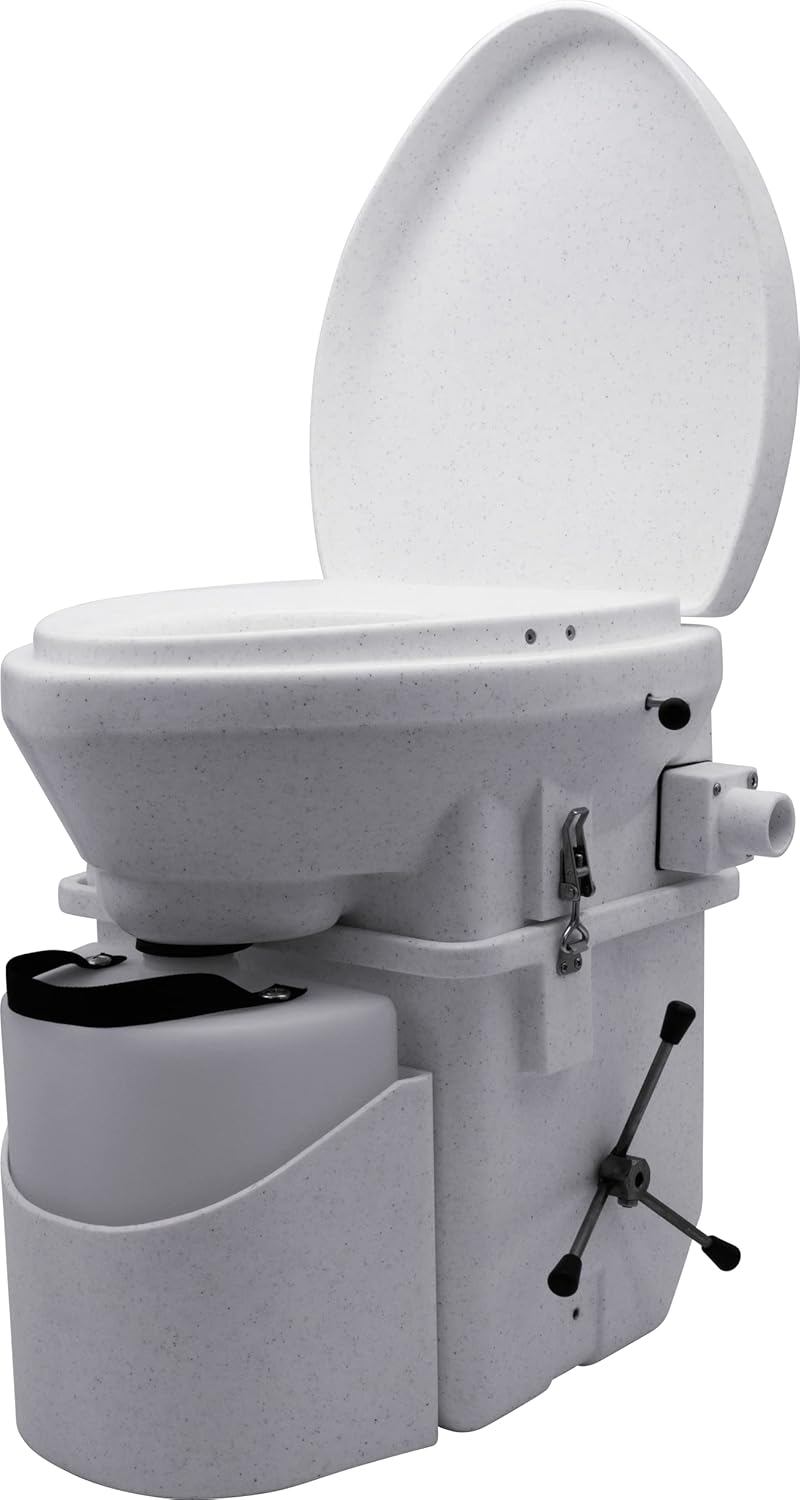

A composting toilet is a favorite for campers who are looking for an eco-friendly and low-maintenance solution to handle waste. These toilets use natural processes, such as decomposition and evaporation, to break down human waste and turn it into compost. Composting toilets are perfect for both short-term and long-term camping trips, as they don’t require any water or chemicals to function.
Advantages:
- Environmentally friendly: Composting toilets recycle waste into compost, which can be safely used in gardens (but not for edible plants).
- Low maintenance: With proper upkeep, these toilets require minimal intervention.
- Cost-effective: Most DIY composting toilet builds are affordable, and you can create a system using basic materials.
Disadvantages:
- Odor: If not maintained correctly, composting toilets can become odorous. Proper ventilation and frequent waste removal are essential.
- Setup: Although some DIY guides claim to set them up in under an hour, building a reliable composting toilet requires time and effort.
How to Build a Composting Toilet:
- Step 1: Gather your materials: You’ll need a plastic container (for the composting bin), a seat (often a simple wooden or plastic seat), a bucket for the urine diverter, and composting material like sawdust or peat moss.
- Step 2: Build the seat by attaching it securely to the top of the container. The container will collect the waste and act as a composting bin.
- Step 3: Ensure there’s a ventilation system in place to prevent odors. A simple ventilation pipe can do the job.
- Step 4: Use sawdust or another composting material after each use to help absorb liquids and control odor.
- Step 5: When the container is full, empty it in a safe and responsible manner, ideally away from water sources.
2. Portable Camp Toilets: Convenience on the Go
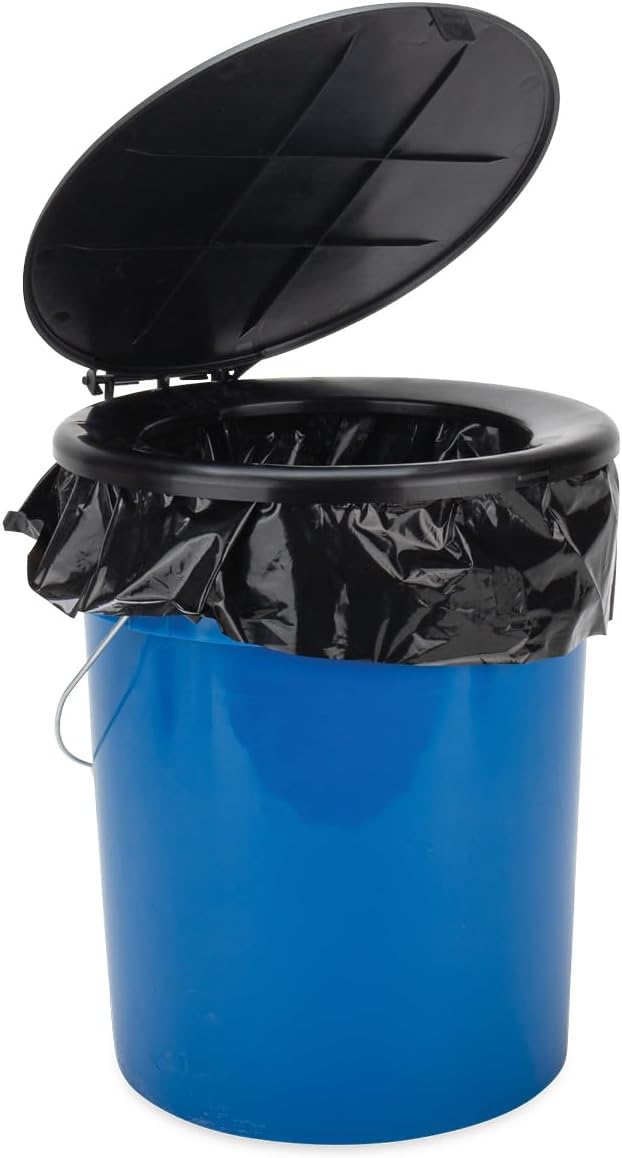
For campers who need a portable and hassle-free toilet solution, portable camp toilets are an excellent choice. These compact toilets are easy to set up, require minimal space, and can be moved around depending on where you set up your camp. While portable toilets are not composting toilets, they offer a straightforward way to handle waste during your camping trip.
Portable toilets usually come in two variations: simple bucket-style models and more advanced flush toilets that require water or chemicals to operate.
Advantages:
- Portable: Easy to move around and set up wherever you need it.
- Quick setup: Many portable toilets don’t require assembly and can be used immediately after purchase.
- Affordable: Budget-friendly, with options starting as low as $30.
Disadvantages:
- Waste disposal: You’ll need to dispose of the waste properly once you’re finished with your trip. This means finding an appropriate waste disposal facility or packing the waste out.
- Requires water for flushing: While some models have a basic flush system, others will require access to water to function.
How to Get Started with Portable Toilets:
- Step 1: Choose a model that fits your needs. For example, a basic portable toilet like the Reliance Luggable Loo is great for short trips, while the Dometic SaniPottie is a more durable option for extended stays.
- Step 2: Ensure you have the right supplies, such as waste bags, chemicals (if necessary), and extra water for flushing.
- Step 3: After each use, make sure to clean the toilet thoroughly to avoid odors.
- Step 4: When your camping trip ends, find a proper disposal facility (or bring the waste bags with you to dispose of them at home).
3. Porta-Potties: The Basic, Hands-Free Option
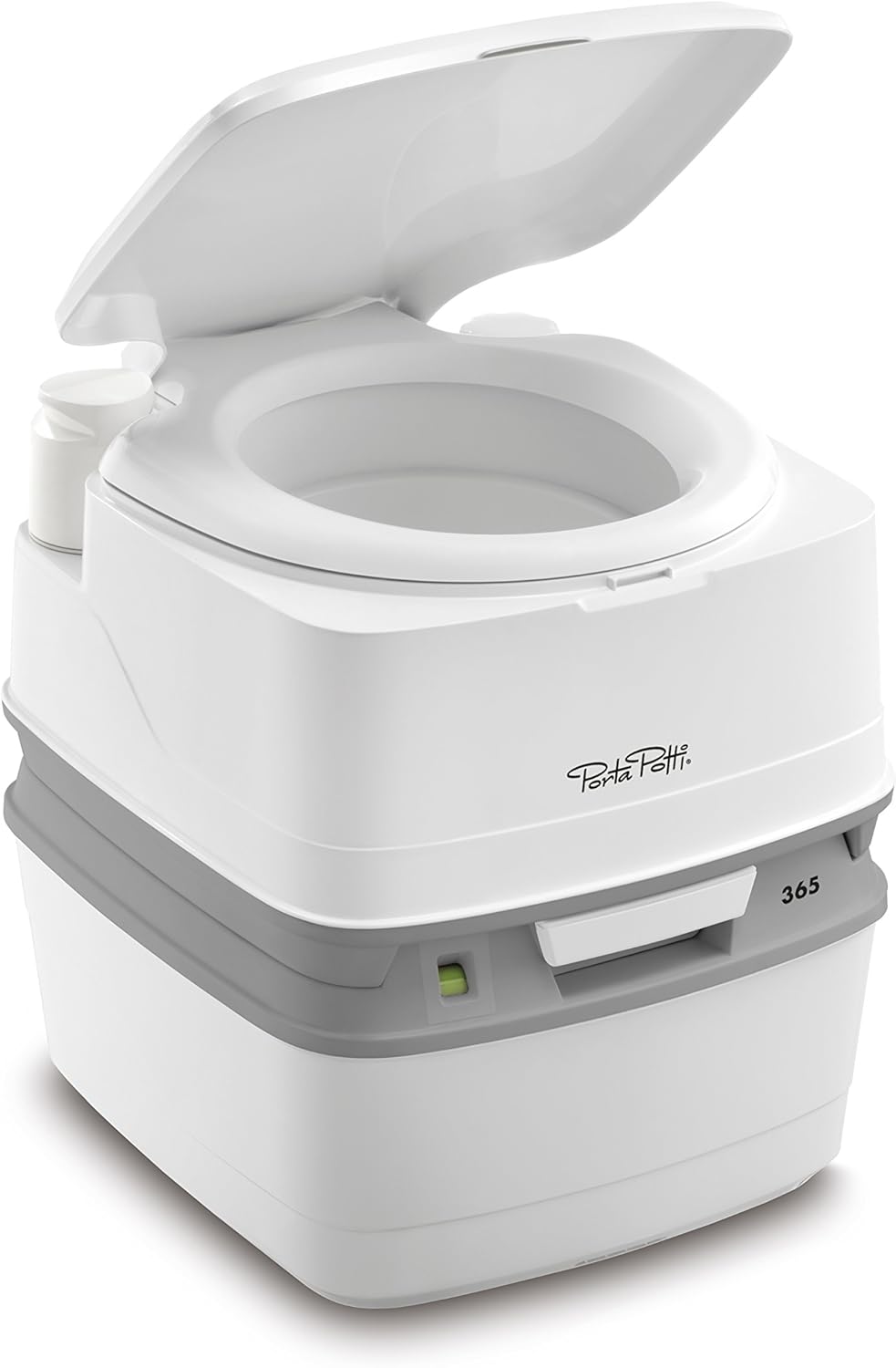
For those looking for a no-fuss, temporary solution, a traditional porta-potty is a solid choice. Whether you rent one or purchase a smaller version for personal use, porta-potties offer a quick and easy way to provide sanitation on your campsite. While they may not offer the luxury of a flush toilet, they are reliable and easy to maintain.
Advantages:
- Low maintenance: A porta-potty doesn’t require constant upkeep during your camping trip. Once rented, it is serviced regularly by sanitation companies.
- Durable: These toilets are designed to withstand harsh conditions and can be left outside in the elements without worry.
- Great for larger groups: If you’re camping with a large group, a porta-potty can accommodate multiple users without issue.
Disadvantages:
- Cost: Renting a porta-potty can get expensive, particularly if your campsite is remote and requires additional delivery and servicing.
- Limited capacity: Porta-potties can fill up quickly, especially during longer stays, and will need servicing to remain usable.
How to Get Started:
- Step 1: Check local companies for porta-potty rental services. Be sure to inquire about service fees, delivery options, and additional costs for remote locations.
- Step 2: Confirm the type of porta-potty you need (standard or deluxe with hand sanitizing stations).
- Step 3: Set up the porta-potty in a designated area on your campsite. Make sure to place it far from any water sources.
4. Separating Toilets: Advanced Composting Solutions
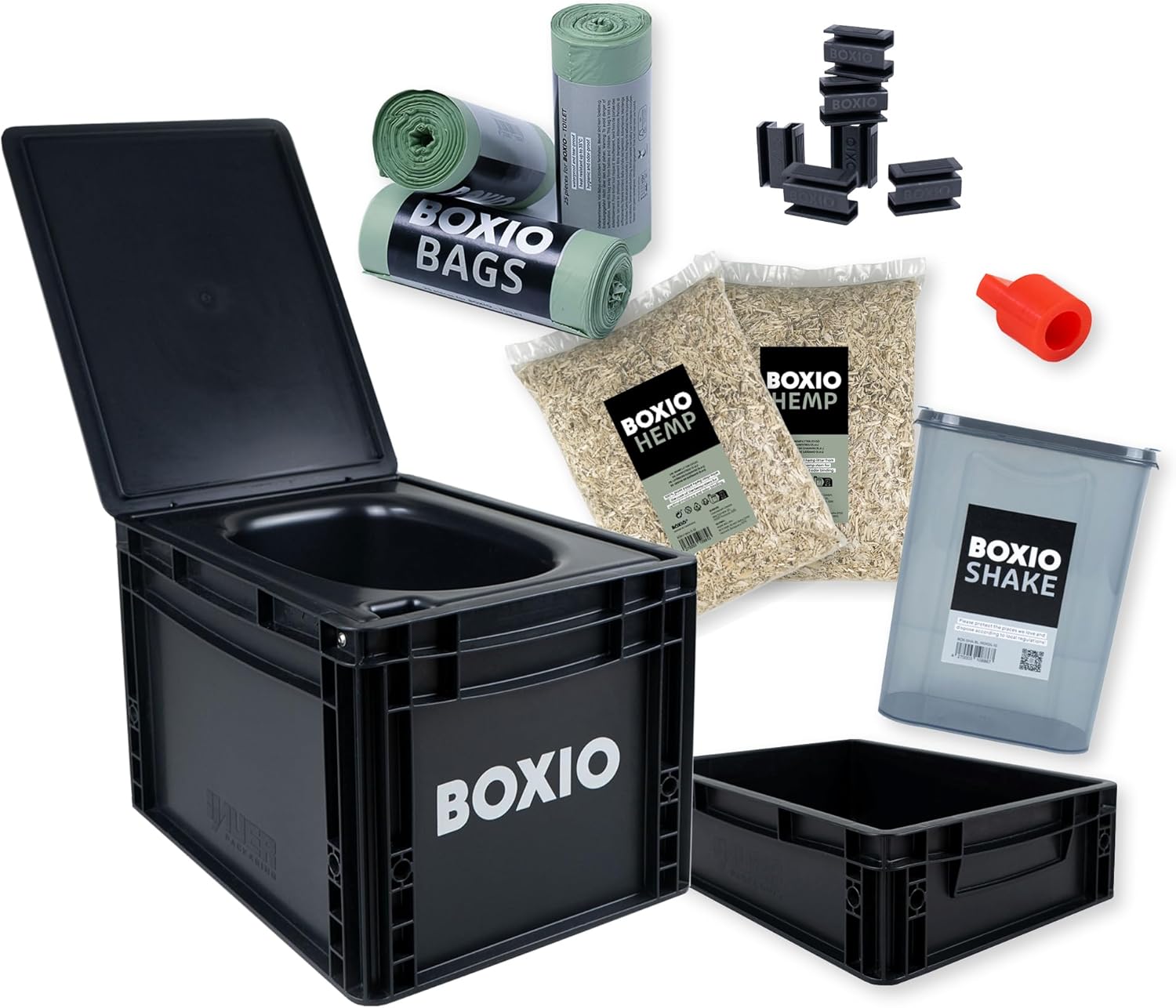
For campers looking for a more advanced composting system, separating toilets are an option worth considering. These toilets divide liquid waste (urine) and solid waste (feces) into separate compartments. This system allows for easier waste disposal and faster composting.
Separating toilets are especially beneficial for those using RVs or who plan on camping for longer periods, as the liquids can be disposed of separately, reducing the load in the solid waste compartment.
Advantages:
- Efficient: The separation of liquids and solids speeds up the composting process and reduces odor.
- Environmentally friendly: Like other composting toilets, separating toilets contribute to the recycling of waste.
- Great for long-term use: Separating waste makes it easier to handle waste over extended periods.
Disadvantages:
- Complex setup: Building a separating toilet involves more effort and materials, making it more difficult than a standard composting toilet.
- Requires more space: These toilets tend to take up more space than simple composting models, which might not be ideal for tight campsites.
How to Build a Separating Toilet:
- Step 1: Gather materials like a urine diverter, a separate container for solids, and a composting system.
- Step 2: Install the diverter above the solid waste container so urine can flow into a separate compartment. The solids will then be collected in the main composting bin.
- Step 3: Set up ventilation to prevent odors and ensure proper airflow.
5. Toilet-in-a-Bag: The Simplest Solution
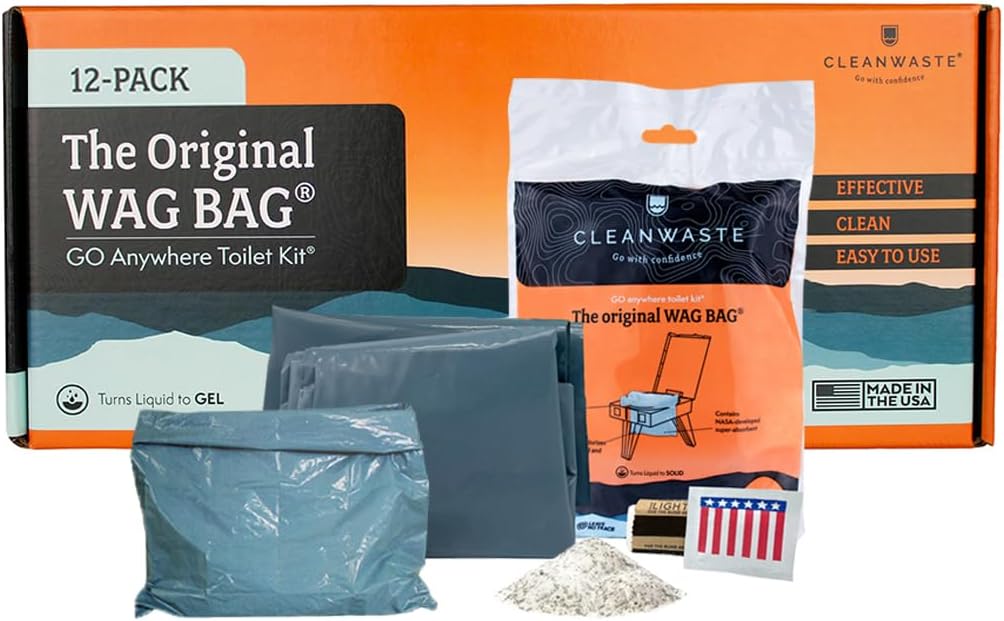
If you’re looking for a simple and compact option that requires almost no maintenance, a toilet-in-a-bag is the ultimate choice. Also known as “WAG bags,” these kits are perfect for those who want to minimize hassle and clean-up while camping. WAG bags are commonly used in backcountry camping or by hikers, climbers, and anyone on the go.
The concept is simple: the bag contains a powder that absorbs waste and neutralizes odors. Once used, you seal the bag and pack it out, ensuring that your campsite stays clean and hygienic.
Advantages:
- Lightweight: WAG bags are small and easy to carry, making them ideal for minimalist campers and those with limited space.
- No clean-up: There’s no need to scrub or rinse the toilet after use; simply dispose of the bag when you’re done.
- Portable: They are easy to store and transport, making them an excellent option for various camping scenarios.
Disadvantages:
- Limited capacity: These bags are single-use, so if you’re camping for a long period, you may need several bags to last.
- Disposal: You’ll need to pack out the bags and dispose of them properly at the end of your trip. Some campsites may have specific disposal guidelines.
How to Get Started with WAG Bags:
- Step 1: Purchase a WAG bag kit. These can be found at most outdoor retailers or online stores.
- Step 2: Make sure to bring enough bags for the duration of your trip. It’s also wise to pack some extra bags in case of emergencies.
- Step 3: After each use, seal the bag tightly and store it in a designated waste disposal container until you can dispose of it properly.
Choosing the Right Camping Toilet for Your Needs
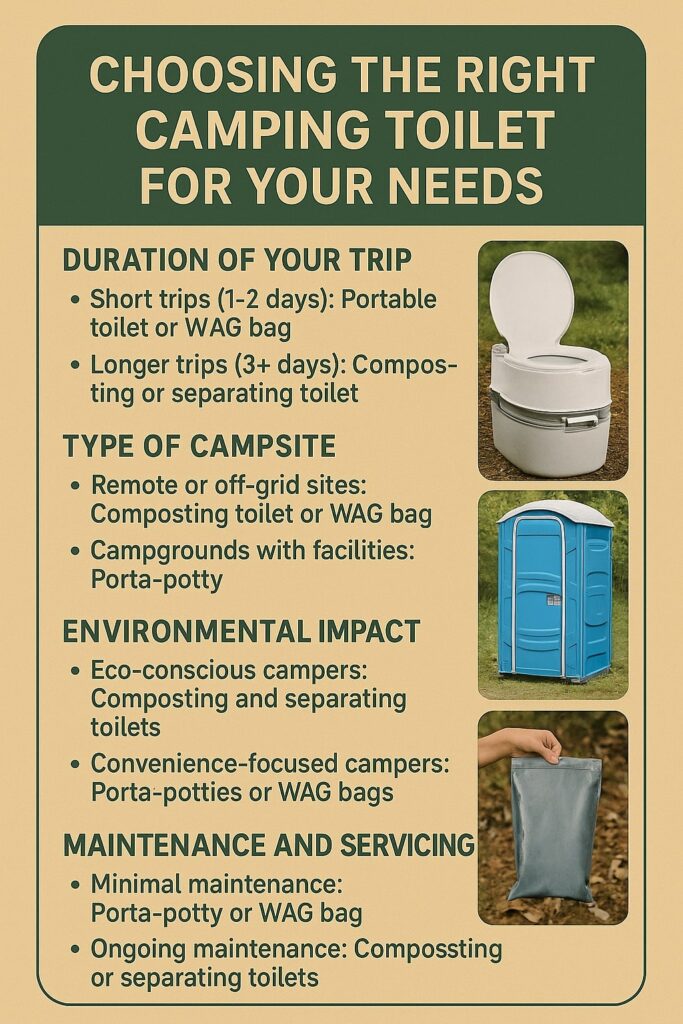
When deciding on a camping toilet, it’s essential to consider several factors, including your campsite location, the length of your trip, and the level of convenience you require. Below, we’ve outlined some of the key factors to help you make the best choice for your needs.
1. Duration of Your Trip
- Short trips (1-2 days): For quick getaways, a portable toilet or WAG bag is sufficient, as you’ll likely only need it for a short time.
- Longer trips (3+ days): If you’re staying for several days, a composting toilet or separating toilet system may be more suitable, as they offer longer-lasting waste management solutions.
2. Type of Campsite
- Remote or off-grid sites: If you’re camping in a remote location with no access to modern facilities, a composting toilet or WAG bag is a great choice.
- Campgrounds with facilities: If you’re camping in a well-established campground with regular waste disposal services, a porta-potty may be sufficient.
3. Environmental Impact
- Eco-conscious campers: Composting and separating toilets are the best options for those who want to minimize their environmental impact by recycling waste into compost or reducing water usage.
- Convenience-focused campers: If ease of use and convenience are more important, porta-potties or WAG bags offer simple, effective solutions.
4. Maintenance and Servicing
- Minimal maintenance: If you prefer a low-maintenance solution, a porta-potty or WAG bag is your best bet.
- Ongoing maintenance: Composting toilets and separating toilets require more effort to maintain, but they’re also more sustainable over the long term.
Which Camping Toilet is Right for You?
In conclusion, there’s no one-size-fits-all solution when it comes to camping toilets. Your choice will depend on factors like the length of your camping trip, the campsite’s facilities, and your environmental preferences. Whether you opt for a portable camp toilet, a high-tech composting toilet, or the simplicity of a toilet-in-a-bag, each option has its advantages and trade-offs.
By understanding your needs and the pros and cons of each type, you can make an informed decision that ensures a comfortable and hygienic camping experience. Remember, cleanliness is key to an enjoyable camping trip, and a good toilet solution can make all the difference!
Additional Camping Toilet Tips and Best Practices
To ensure you have a hassle-free experience when using your camping toilet, here are a few best practices and tips to follow:
1. Keep It Clean
Regardless of the type of toilet you use, cleanliness is crucial. Regularly cleaning your toilet, especially portable or composting models, will help prevent odors and maintain hygiene. For composting toilets, it’s essential to stir the composting material after each use to promote decomposition.
For portable toilets, use biodegradable cleaning wipes or eco-friendly cleaners to wipe down the seat and interior after each use. This will help keep it smelling fresh and ensure a more comfortable experience.
2. Plan for Waste Disposal
Before you head out to your campsite, research the waste disposal guidelines for the area. Some campgrounds offer waste disposal services, while others may require you to pack out your waste, especially if you’re using a bag-based system.
For composting toilets, remember that not all composted material is safe to use on edible plants, so ensure you’re disposing of waste properly if you plan to use the compost for other purposes.
3. Consider Odor Control
To minimize odors, try adding natural materials like sawdust, wood chips, or even coconut coir to the waste after each use. These materials help absorb moisture and control smells. If you’re using a composting toilet, this is especially important to promote proper decomposition and avoid unpleasant odors.
4. Be Prepared for Emergencies
Camping in remote areas means you may not have immediate access to cleaning supplies or waste disposal services. Pack extra supplies like toilet paper, biodegradable cleaning wipes, gloves, and waste bags. Having a backup plan is essential for emergencies, especially if your campsite is far from amenities.
5. Respect the Environment
Always follow Leave No Trace principles, including proper disposal of human waste. Never bury waste in the ground or leave it behind at your campsite. Packing out your waste ensures that the natural environment remains pristine for future campers and wildlife.
Final Thoughts
Choosing the right camping toilet involves more than just picking a convenient option—it’s about matching your needs with the right solution to ensure a clean, comfortable, and eco-friendly experience while camping. Whether you’re venturing into the backcountry or camping in a more developed site, there’s a toilet solution that fits your requirements.
From portable toilets and composting systems to simple WAG bags, each option has its own set of advantages and challenges. By understanding these options and incorporating best practices for maintenance and waste disposal, you’ll enjoy a more hygienic and enjoyable camping experience.
Remember, your toilet is an essential part of your campsite, and taking the time to choose the right one can make all the difference in your overall camping experience!