

A microwave is a non-negotiable staple in most modern kitchens, but in small kitchens, it can feel like a bulky inconvenience—taking up precious countertop space and creating visual clutter. The good news? With a little planning and creativity, your microwave doesn’t have to dominate your limited space. Whether you’re renovating a tiny kitchen or simply reorganizing for better flow, there are smart, stylish ways to tuck your microwave out of the way without sacrificing accessibility or performance.
This guide explores the most functional, stylish, and space-saving microwave storage ideas specifically designed for small kitchens. From built-in cabinetry solutions to clever under-cabinet hacks, you’ll discover strategies that go beyond the usual tips. And we won’t stop there—we’ll fill in every gap your typical microwave integration guides miss, such as proper ventilation, ergonomics, ADA-compliant installations, electrical safety, and cost-effective alternatives.
Let’s take your small kitchen from cramped to cleverly optimized.
Factors to Consider Before Choosing a Microwave Spot
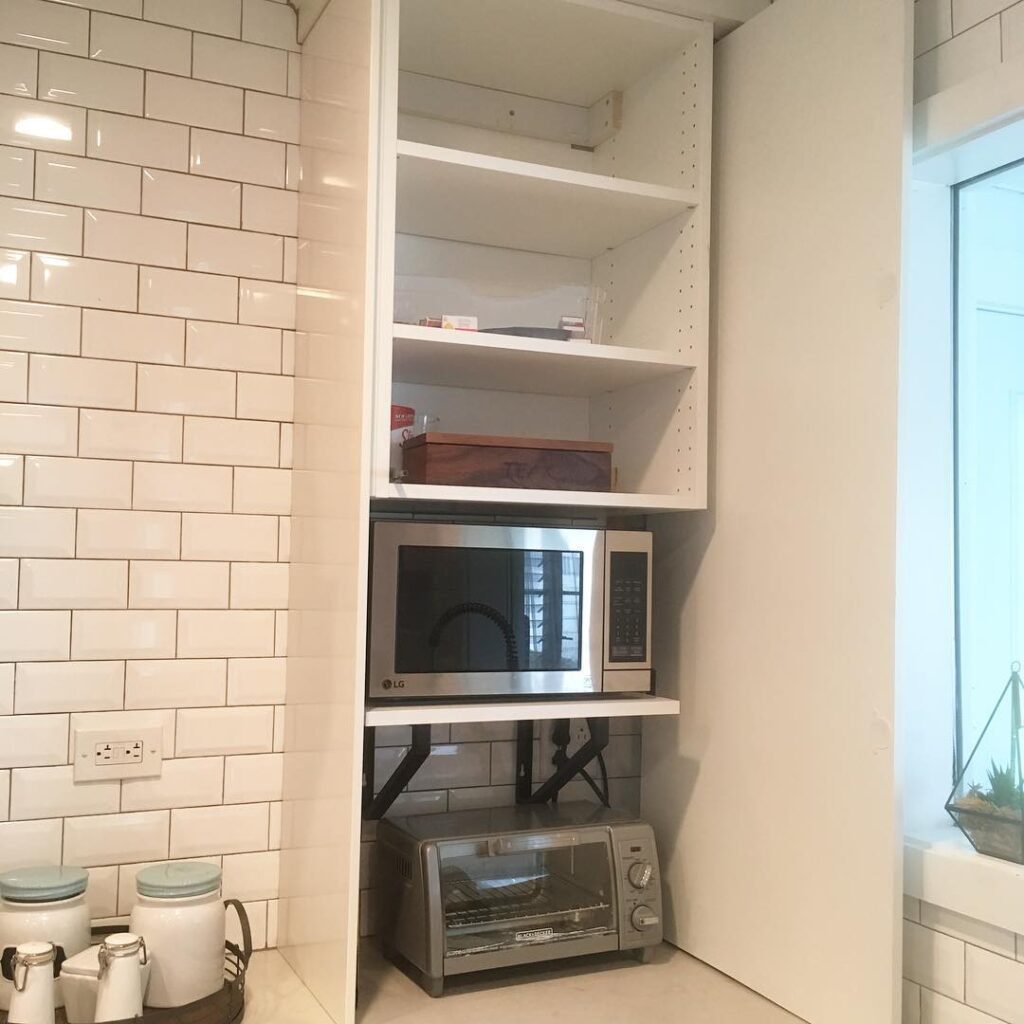
Photo Credit: @no29design
Choosing the best storage option starts with evaluating your kitchen layout and lifestyle needs. Use this checklist before committing to a setup:
- Do you cook often or just reheat?
- How tall are the microwave’s primary users?
- Do you have young kids or elderly family members?
- Is your kitchen open-concept or galley-style?
- Are you renting or can you make permanent changes?
- Do you have accessible power outlets?
- How much ventilation clearance is available?
With that in mind, let’s jump into the best microwave storage ideas that balance form, function, and space-efficiency.
Contents
- 1 Smart Microwave Storage Solutions for Small Kitchens
- 2 Creative Microwave Storage for Ultra-Compact Kitchens
- 3 Avoid These Common Microwave Storage Mistakes
- 4 Microwave Ergonomics: Choose the Right Height & Location
- 5 Design Tips: Make Your Microwave Storage Stylish Too
- 6 Best Microwave Models for Small Kitchens
- 7 Final Thoughts: Your Microwave Can Work Hard and Look Good
Smart Microwave Storage Solutions for Small Kitchens
1. Built Into Upper Cabinetry

Photo Credit: @clearyco_remodeldesignbuild
Install the microwave into a dedicated upper cabinet cubby. This keeps it off your counter while maintaining easy access. For safety and functionality, make sure to leave enough ventilation space (typically 3″ on top and sides, 1″ at the back).
Pros:
- Saves valuable counter space
- Keeps microwave at eye level for convenience
- Seamless, built-in look
Cons:
- Requires cabinetry customization
- Might not suit shorter users or children
Expert Tip:
Use a trim kit around the microwave’s edge to create a polished, built-in aesthetic.
2. Microwave Drawer Installation
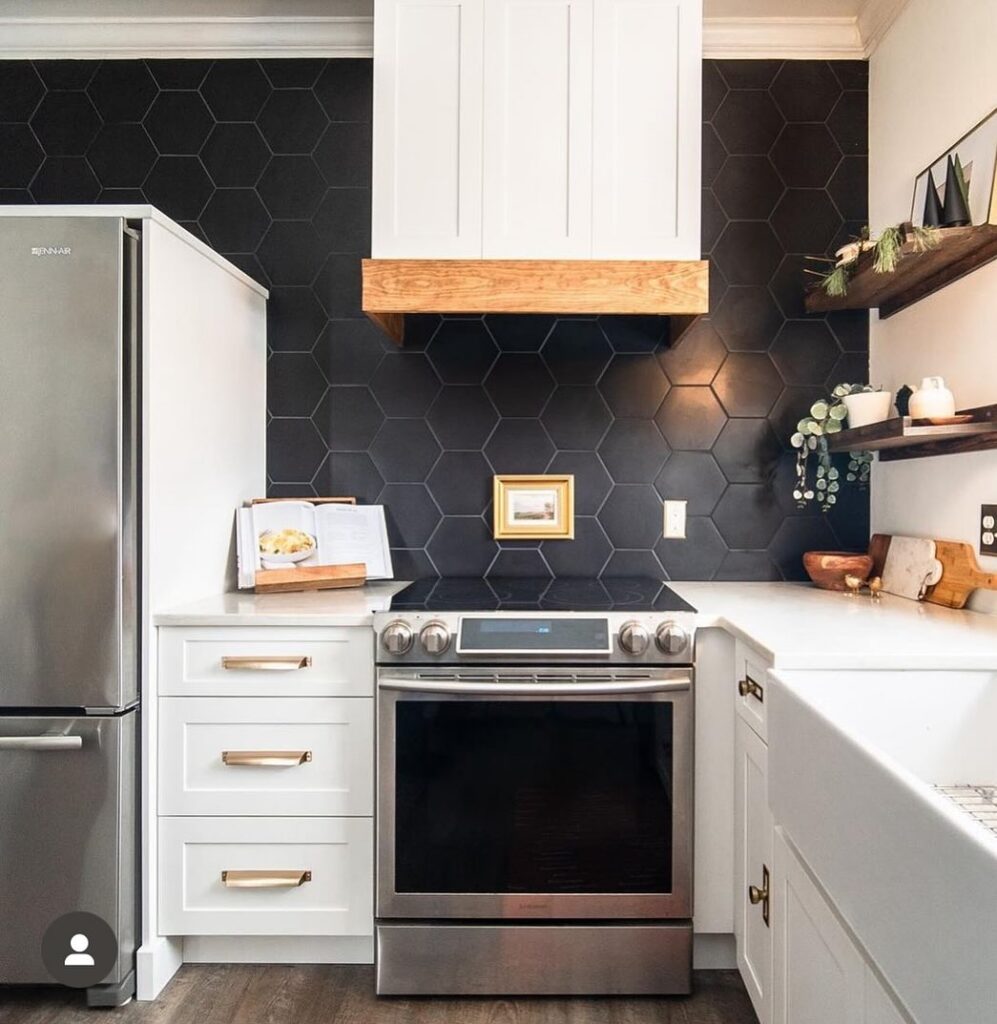
Photo Credit: @kitchenliving
Microwave drawers are a sleek, modern solution installed at waist height, typically in an island or lower cabinet. They slide out like a drawer and open from the top.
Pros:
- Ergonomic and ADA-friendly
- No lifting hot dishes overhead
- Keeps the microwave completely off the counter
Cons:
- High upfront cost ($800–$1,500)
- Limited model options compared to countertop units
Ventilation Insight:
Microwave drawers come with integrated front-venting systems, making them ideal for enclosed cabinetry. Always follow manufacturer clearance specs.
3. Under-Cabinet Hanging Brackets
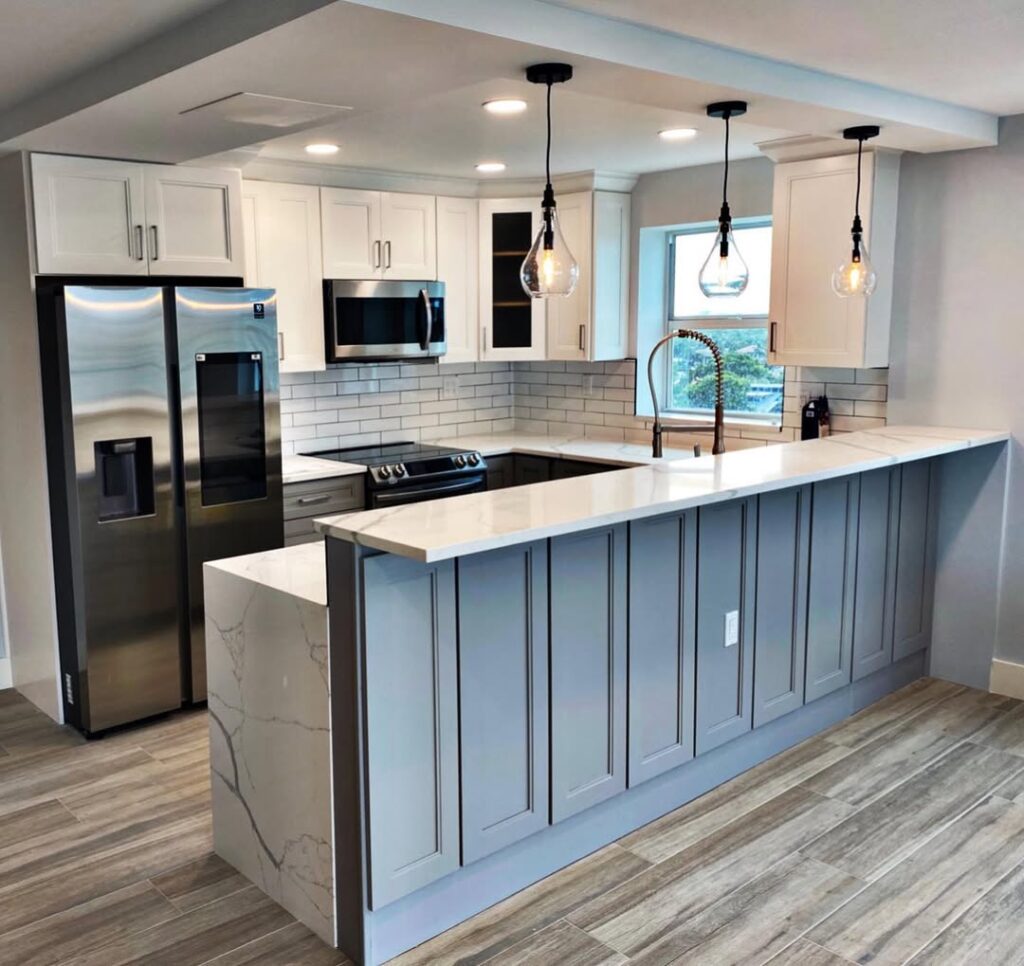
Photo Credit:@bobkatconstruction
Some microwaves can be installed directly beneath an upper cabinet using a hanging bracket kit. This works best with lightweight, compact models.
Pros:
- Keeps counter clear
- No special cabinetry required
- Budget-friendly option
Cons:
- Exposed cords can be unsightly
- May be too high for safe access
Perfect For:
Renters and budget-conscious DIYers seeking a semi-permanent solution.
4. Hidden Behind a Cabinet Door (Appliance Garage Style)
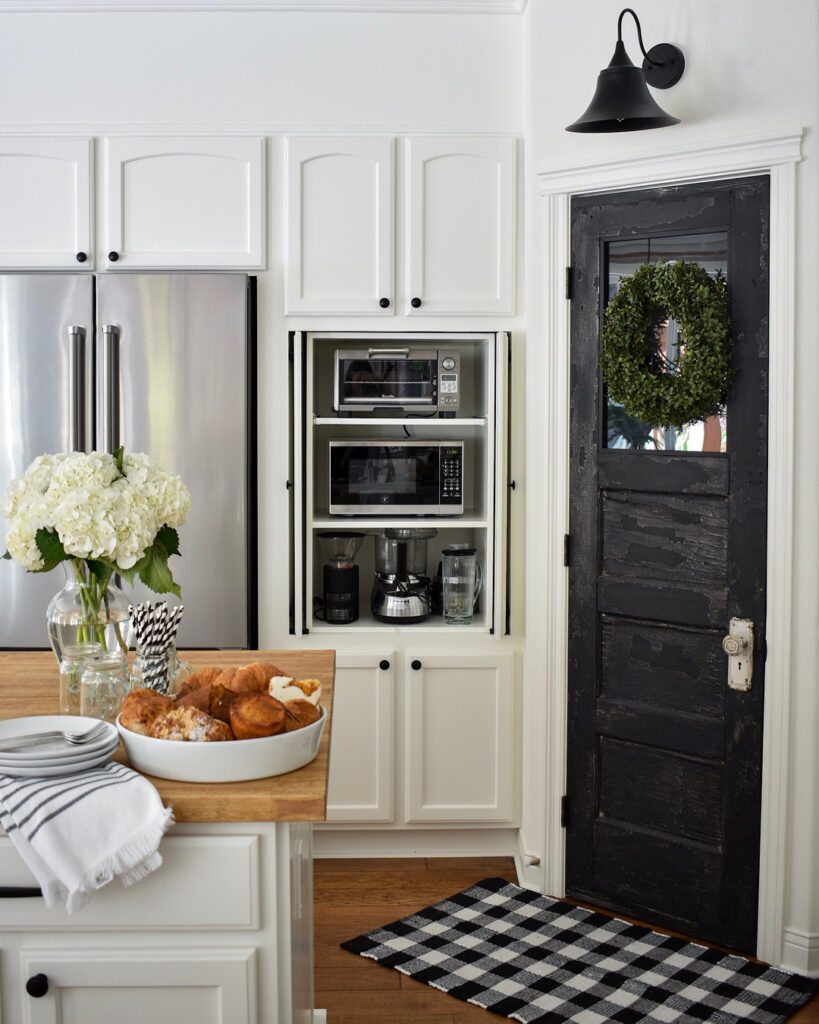
Photo Credit: @jaclynjames.co
This design hides the microwave behind a door—either standard swing or a roll-up tambour door—that matches your cabinetry.
Pros:
- Keeps kitchen visually uncluttered
- Easy access when needed
- Great for minimalist or traditional aesthetics
Cons:
- Doors can get in the way during use
- Adds cabinetry complexity and cost
Design Note:
Opt for vertical lift-up or pocket-style doors to eliminate swing space in small kitchens.
5. Inside a Pantry or Tall Cabinet
If you have a pantry or tall utility cabinet with power access, storing the microwave inside keeps it completely out of sight.
Pros:
- Maximum decluttering
- Frees up all counter space
- Keeps microwave at chest or waist level
Cons:
- Slightly less convenient than countertop access
- Ventilation and airflow must be carefully planned
Pro Tip:
Install a small motion-activated LED light inside the cabinet for visibility.
Quick Reference Table: Built-In Microwave Solutions
| Solution | Best For | Estimated Cost | Accessibility | Ventilation Type |
| Upper Cabinet Built-In | Modern kitchens | $300–$800 | Moderate | Rear & side venting |
| Microwave Drawer | High-end compact kitchens | $800–$1,500+ | Excellent | Built-in front venting |
| Under-Cabinet Hanging Bracket | Small rentals | $30–$100 (bracket) | Moderate | Front vent recommended |
| Hidden Behind Door | Traditional, clean looks | $400–$1,000 | Good | Rear venting with space |
| Inside Pantry/Cabinet | Completely hidden setups | $100–$500 | Good | Needs internal space |
Creative Microwave Storage for Ultra-Compact Kitchens
When you’re working with a truly tiny kitchen—think galley kitchens, apartments, or RVs—you need to get even more inventive with your microwave placement. These solutions range from clever DIY ideas to fully integrated vertical storage setups.
6. Wall-Mounted Microwave Shelf
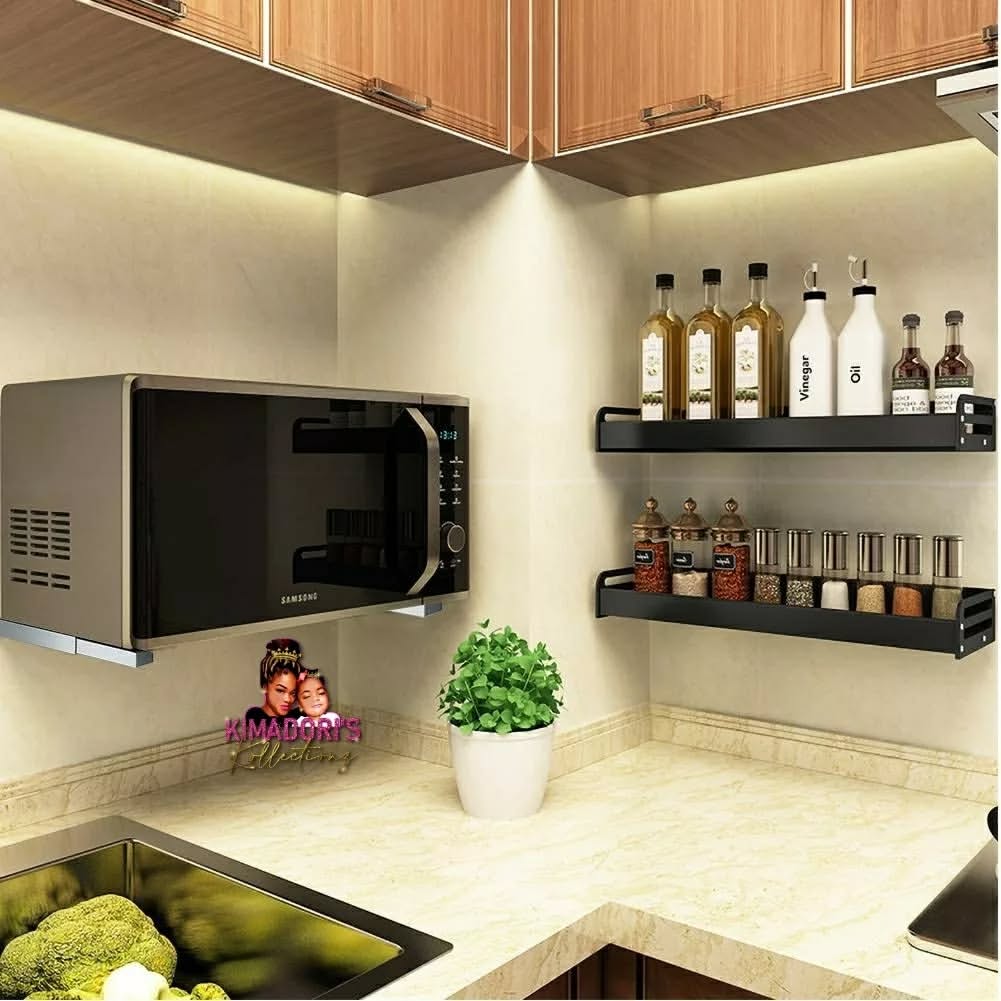
Photo Credit: @kimadori.skollectionz876
A sturdy floating shelf or microwave-specific wall mount bracket allows you to lift the microwave off your counter while keeping it easily accessible.
Pros:
- Inexpensive and renter-friendly
- Keeps microwave at eye or chest level
- Frees up cabinet and counter space
Cons:
- Exposed wiring unless routed cleanly
- Must be mounted into studs or use heavy-duty anchors
Installation Note:
Choose a shelf rated for at least 50 pounds. Always check your microwave’s dimensions and weight before installing.
Upgrade your kitchen—shop these top floating shelves for your microwave now!


7. Over-the-Range (OTR) Microwave

Photo Credit: @lestonheritage
An OTR microwave is mounted above the stove, combining a microwave and range hood into one unit. It’s a space-saving staple in many homes, but it’s not always ideal.
Pros:
- Combines two appliances into one
- Saves countertop and cabinet space
- Some include built-in exhaust fans and lighting
Cons:
- Can be hard to reach, especially for shorter users
- Venting isn’t as effective as a dedicated range hood
- Less ergonomic—removing hot items above a cooktop can be risky
Safety Tip:
Avoid placing OTR microwaves above gas stoves with high-output burners or in homes with children or older adults.
8. DIY Microwave Cart or Rolling Island
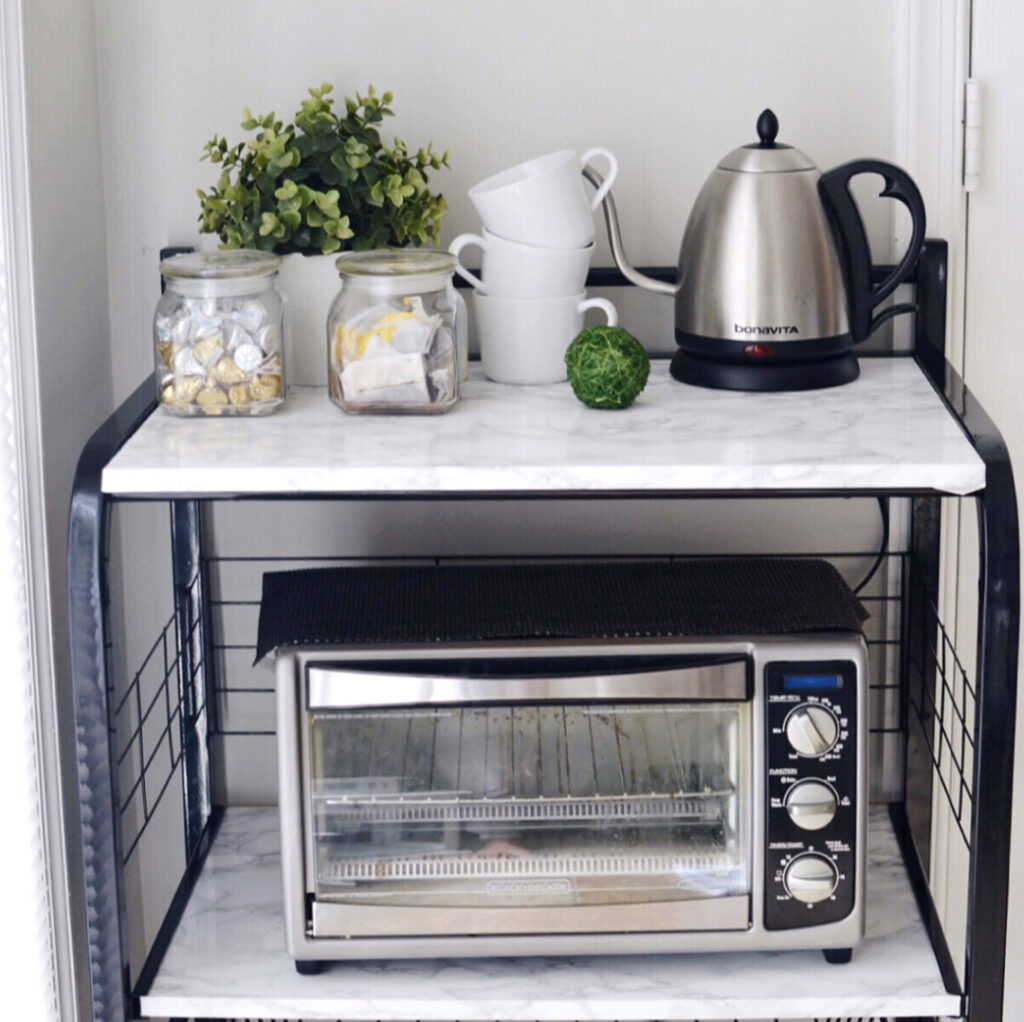
Photo Credit: @lively_lair
Use a rolling cart or mobile island to house your microwave while adding extra storage underneath. This approach is perfect for renters or flexible kitchen layouts.
Pros:
- Totally portable
- Adds storage shelves or drawers
- No installation or drilling required
Cons:
- Takes up floor space
- Must be near a power outlet
Pro Tip:
Look for carts with built-in outlets or add a heavy-duty surge protector with cord management hooks underneath.
Not into DIY? Try these ready-to-use rolling cart instead!

9. Above-the-Fridge Microwave Spot
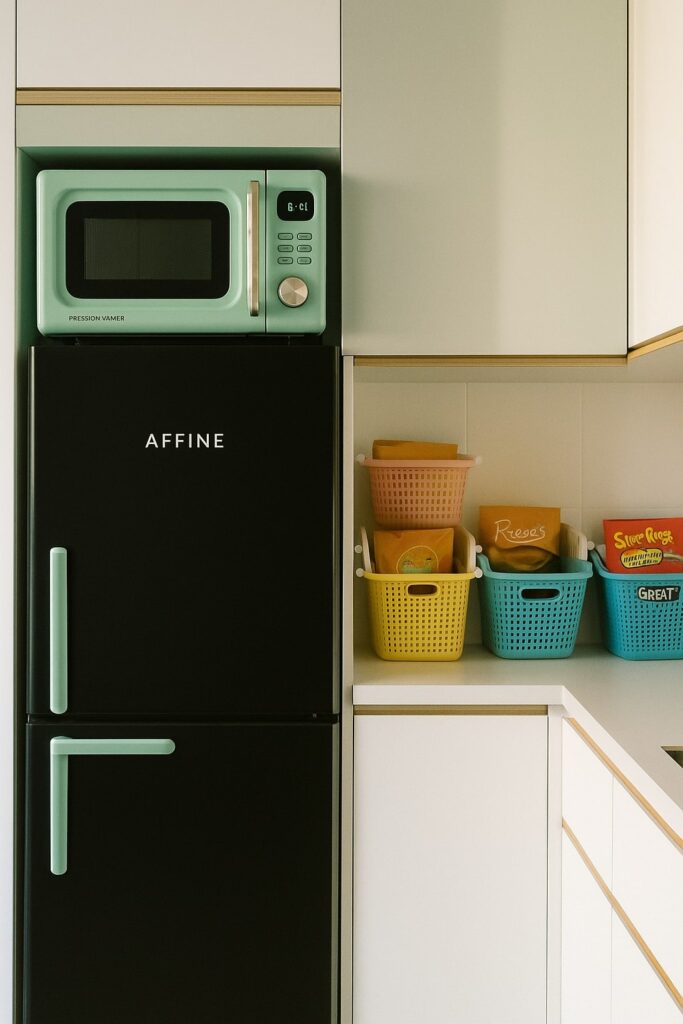
If you have an unused gap between the top of your refrigerator and ceiling, this space can double as a microwave nook—assuming there’s electrical access.
Pros:
- Uses “dead” vertical space
- Keeps microwave out of the way
Cons:
- Poor ergonomics—lifting hot dishes overhead is risky
- Hard to clean and access
Design Tip:
Install a shelf above the fridge to create a safe, stable base for the microwave and use it for lightweight items only.
10. Inside an Open Corner Shelf
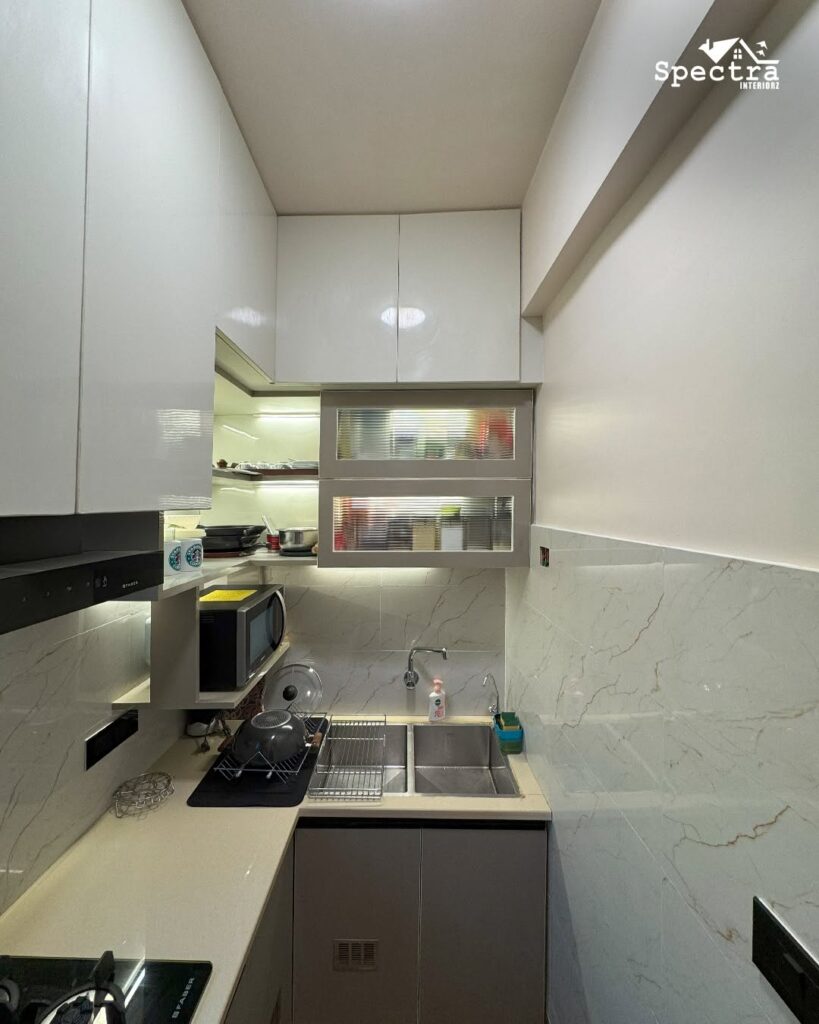
Photo Credit: @spectrainteriorz
Corner shelving units or triangle wall shelves can house a compact microwave in underutilized kitchen corners.
Pros:
- Maximizes awkward corner areas
- Ideal for oddly shaped small kitchens
- Adds visual interest to kitchen layout
Cons:
- Requires custom shelving or careful measurements
- Less flexible if you change appliances
Check out this space-saving corner microwave shelf—its triangular design makes storage a breeze!

11. Use a Pull-Out Pantry Microwave Shelf

Photo Credit: @kitchendesignpartners
How it works:
Install a pull-out shelf inside a tall pantry cabinet. This hidden shelf can hold your microwave and slide out when needed.
Why it’s great for small kitchens:
- Keeps your microwave hidden when not in use
- Doubles as a prep area when extended
- Easy to tuck away after cooking
Tip: Choose heavy-duty glides to support the microwave’s weight safely.
12. Add a Floating Corner Shelf
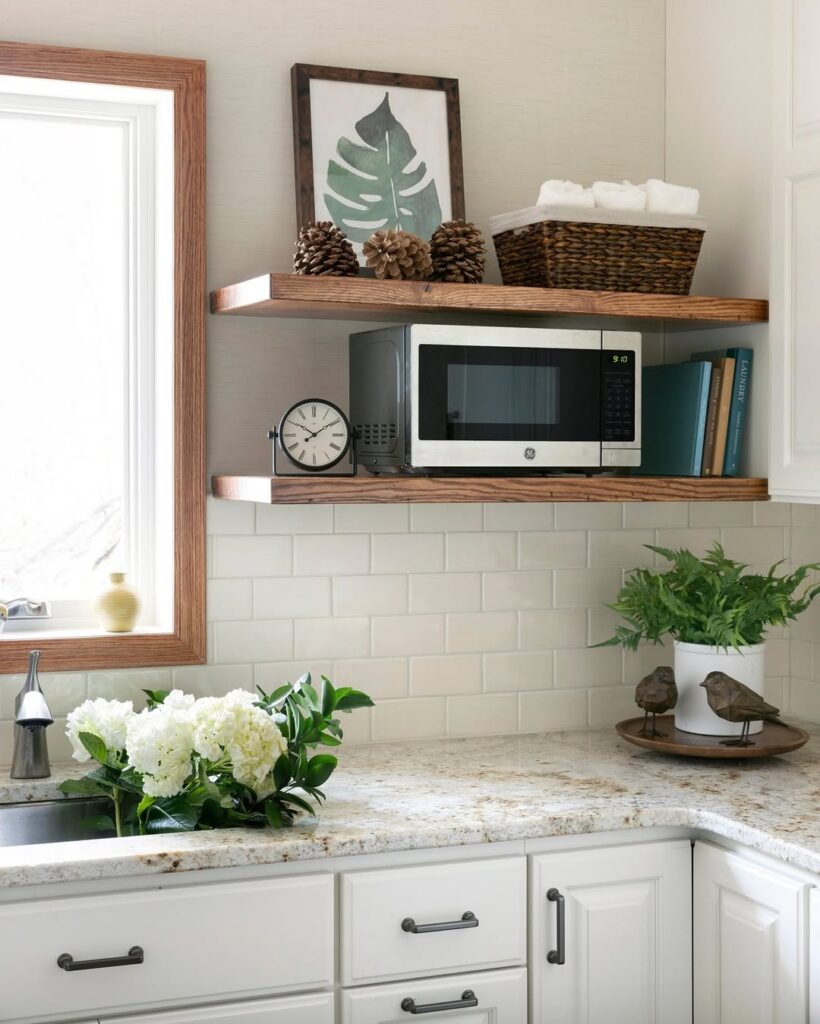
Photo Credit: @crystalkitchenbath
How it works:
Mount a reinforced floating shelf in a corner—high enough to free up the counter but low enough to remain accessible.
Why it works:
- Makes use of an often-wasted space
- Keeps the microwave out of the kitchen traffic path
- Creates a unique, airy aesthetic
Bonus: Add under-shelf lighting or hooks for mugs and utensils.
13. Store It in a Rolling Utility Cart
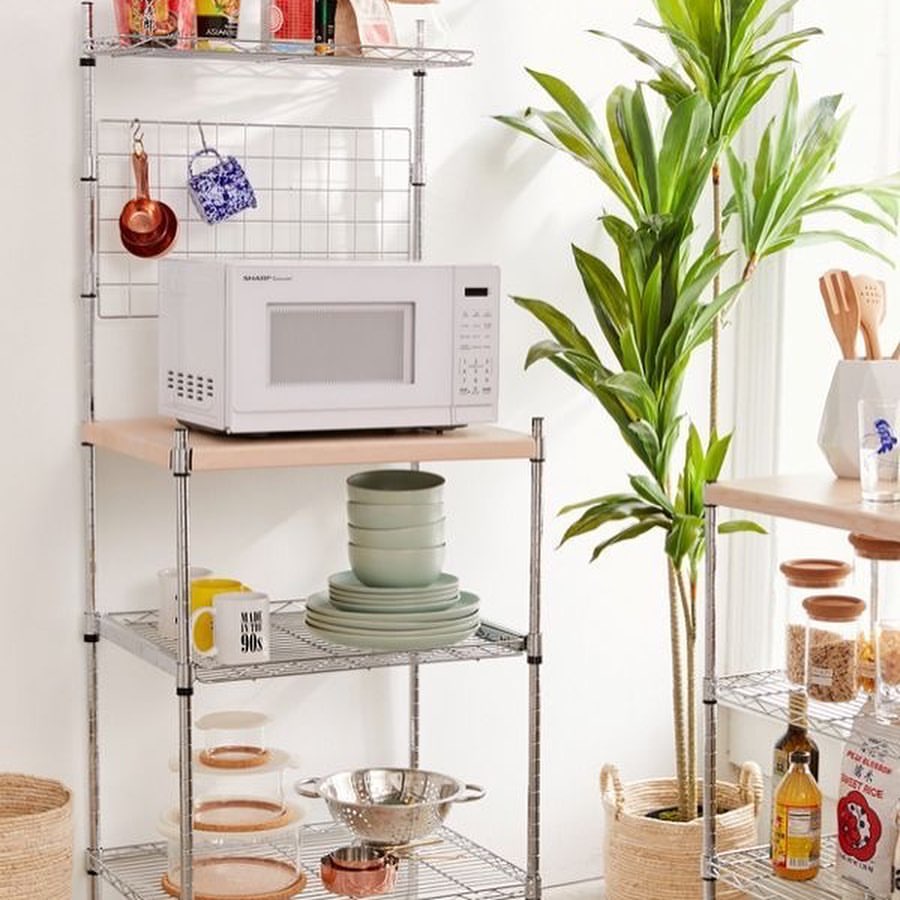
Photo Credit: @organizemymaze
How it works:
Place the microwave on a bar cart or rolling kitchen island that can be moved as needed.
Why it’s a smart solution:
- Great for renters or small apartments
- Adds extra storage underneath for dishes or pantry goods
- Can be wheeled out for cleaning or repositioned during entertaining
Style tip: Choose a cart that complements your kitchen’s look—wood for rustic, metal for industrial, or white lacquer for modern.
Shop this versatile cart now on Amazon!

Avoid These Common Microwave Storage Mistakes
Choosing the right place for your microwave is about more than saving space—it’s about ensuring your setup is safe, accessible, and efficient. Here are the most frequent mistakes homeowners make when storing microwaves in small kitchens:
Mistake 1: Ignoring Ventilation Requirements
Why it matters:
Microwaves generate heat and need proper airflow to avoid overheating, reduce fire risk, and maintain performance.
Fix:
- Follow the manufacturer’s required clearance space (typically 1–3 inches on all sides).
- For built-ins, ensure the cabinet has cutouts or vent gaps.
- Never store a microwave in a fully enclosed, non-ventilated space.
Mistake 2: Placing It Too High or Too Low
Why it matters:
If a microwave is too high (like above the fridge or over the range), it creates a burn hazard when removing hot items. If it’s too low, it can strain your back.
Fix:
- Ideal height is around counter level to chest level for most users.
- Aim for 15–48 inches from the floor, per ADA recommendations.
- Use microwave drawers or island shelves for ergonomic positioning.
Mistake 3: Using an Incompatible Microwave Model
Why it matters:
Not all microwaves are designed for built-in or enclosed storage. Using the wrong model can cause overheating or void warranties.
Fix:
- Use only microwaves labeled for built-in, under-counter, or drawer installation in enclosed spaces.
- Avoid putting standard countertop models inside cabinets unless airflow is adequate.
Mistake 4: Blocking Access or Counter Flow
Why it matters:
Microwaves should be easy to reach and use without disrupting the kitchen’s “work triangle” (sink, stove, fridge).
Fix:
- Ensure the microwave has landing space nearby for hot items.
- Avoid putting it in tight corners or places that block cabinet doors or drawers.
- If possible, integrate it into your layout flow—like near the prep area or pantry.
Microwave Ergonomics: Choose the Right Height & Location
Making your microwave comfortable and safe for everyone in the household means factoring in both physical reach and everyday usability.
ADA-Compliant Microwave Guidelines
| Feature | ADA Guideline Standard |
| Reach Range | 15″ to 48″ from the floor |
| Control Access | One hand, no tight grasping/twisting needed |
| Approach Clearance | Minimum 30″x48″ clear floor space |
| Door Operation | Side-hinged or pull-out drawer preferred |
Ergonomic Positioning Tips
- Families with kids: Use microwave drawers or under-counter setups for easy access.
- Seniors or limited mobility: Avoid overhead installations; choose waist-level storage.
- Left-handed users: Consider side-hinged doors that open to the left.
- Daily users: Place near your prep area or breakfast station for efficient workflow.
Microwave Safety & Fire Hazards to Avoid
- Never place a microwave:
- In front of an emergency exit or window
- Directly above a high-powered gas range
- In front of an emergency exit or window
- Always plug the microwave into a dedicated outlet—never use a daisy-chained extension cord.
- For units inside cabinets or drawers, install a smoke sensor nearby for added safety.
Design Tips: Make Your Microwave Storage Stylish Too
Practical microwave storage doesn’t have to look purely utilitarian. With some smart styling and design touches, your microwave setup can blend beautifully into your kitchen’s overall aesthetic.
Style-Boosting Ideas
- Cabinet Hardware Match: If your microwave is hidden behind doors or panels, match the hardware with surrounding cabinets for a cohesive look.
- Trim Kits: Use custom trim kits to give countertop or wall-mounted microwaves a sleek, built-in feel.
- Backsplash Integration: For wall-mounted or shelf setups, extend your backsplash tile behind the microwave for a finished, intentional design.
- Color Coordination: Choose a microwave in stainless steel, black matte, or white to blend in or contrast artfully with cabinetry and countertops.
- Concealed Wiring: Use cord covers or install outlets inside cabinets to keep wires out of sight.
Best Microwave Models for Small Kitchens
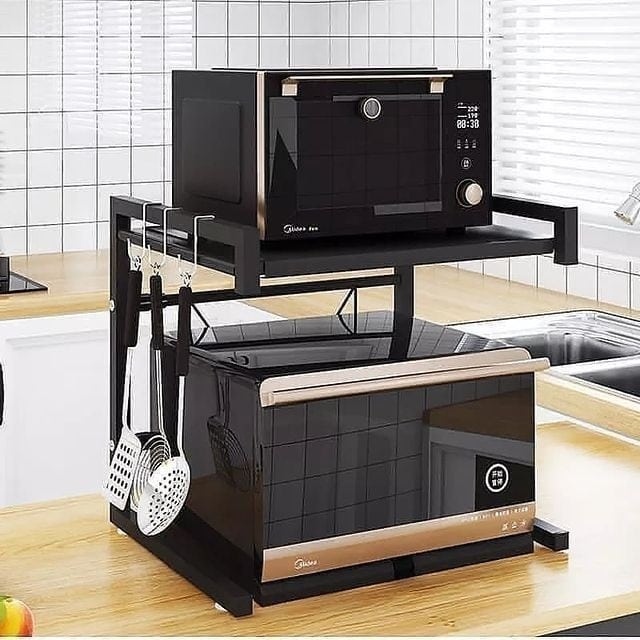
Photo Credit: @errythingnecessary
Here’s a quick roundup of microwave types ideal for small kitchens, based on your preferred setup style:
| Microwave Type | Best For | Top Features to Look For | Example Model |
| Compact Countertop | Small shelves, carts, or open nooks | 0.7–1.0 cu. ft., lightweight, simple controls | Toshiba ML2-EM12EA(BS) |
| Over-the-Range | Space-saving dual appliance | Built-in ventilation, multi-stage cooking | GE JVM6175SKSS |
| Drawer Microwave | Islands, base cabinets | Smooth-glide drawer, child lock, auto sensors | Sharp SMD2470ASY |
| Built-In Microwave | Custom cabinetry or wall niches | Trim kits, convection feature, sleek profile | Bosch HMB50152UC |
| Wall-Mountable | Open wall spaces, floating shelves | Compact size, bracket compatibility | Commercial Chef CHM009 |
Final Thoughts: Your Microwave Can Work Hard and Look Good
With the right approach, your microwave doesn’t have to be the awkward eyesore hogging valuable counter space. Instead, it can become a seamless part of your kitchen layout—boosting function, flow, and even style.
By choosing the right microwave storage strategy, you’re not just saving space—you’re upgrading your entire kitchen experience.
Let your microwave work smarter, look better, and take up less room doing it.