
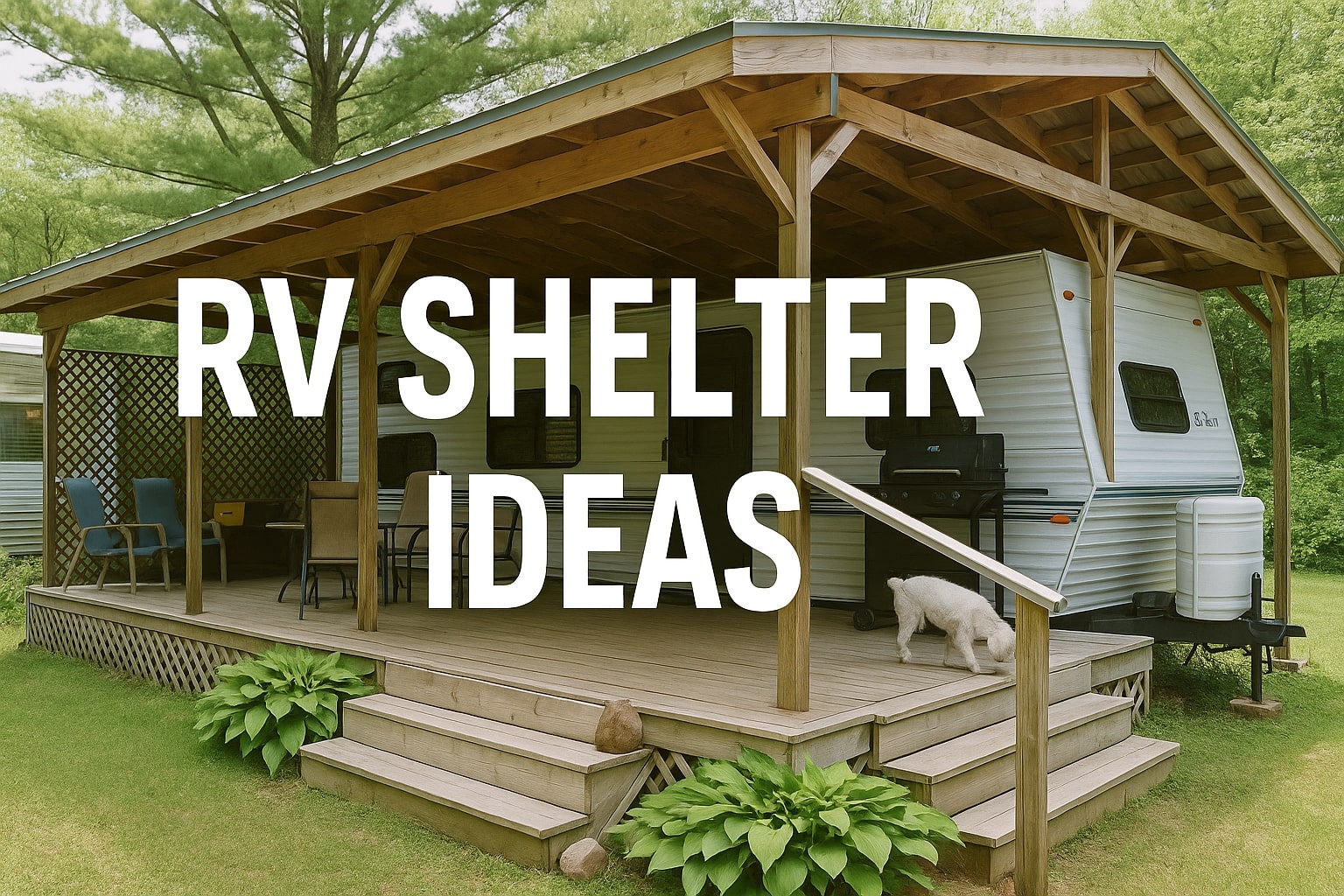
Recreational vehicles offer the freedom to explore the outdoors without sacrificing comfort—but when the sun beats down or the rain rolls in, shelter becomes essential. Whether you’re a weekend camper or a full-time RVer, having the right RV shade setup can mean the difference between relaxing in comfort and retreating inside.
In this guide, I’ll share practical, creative, and durable RV shelter ideas that have helped me beat the heat, block the wind, and make the most of every campsite—whether I’m setting up outdoors or creating shade inside the RV.
Contents
What Is an RV Shelter?
A shelter in the RV context refers to any temporary or permanent structure that provides protection from the sun, rain, wind, and other elements. It can be attached to your RV, freestanding at your campsite, or even built-in as a semi-permanent fixture at your home base.
Definition List
- RV Awning: A fold-out or retractable cover attached to the side of an RV for shade and rain protection.
- Screen Room: An enclosure made of mesh or fabric that attaches to an RV or stands alone to keep bugs out while offering shade.
- Canopy/Gazebo: Freestanding shelters with open sides and a covered top, often portable and collapsible.
- Shade Sail: A triangular or rectangular fabric tensioned between anchor points to block sun exposure.
- Umbrella Shelter: A smaller, often adjustable sunblock tool, ideal for portable and quick use.
- Vent or Window Cover: Internal solutions to reduce interior heat from sunlight.
Why Proper RV Shelter Matters?
Before diving into specific options, it’s important to understand what a good shelter setup can do for your RV experience.
Key Benefits of RV Shelters:
- Temperature Control: Reduces interior and exterior heat exposure.
- Extended Living Space: Creates usable outdoor “rooms” for cooking, relaxing, or dining.
- Bug Protection: Mesh screen rooms offer a shield against insects.
- Weather Defense: Some solutions offer light wind and rain protection.
- RV Preservation: Blocks UV rays that can damage your RV exterior over time.
Smart Tip: Look for materials rated UPF 50+, which block over 98% of harmful UV rays. This ensures you’re getting real protection, not just a bit of shade.
Factors to Consider Before Choosing a Shelter
Here are key considerations to help you choose the right type of RV shelter for your needs and travel style:
Decision Factors
- Campsite Terrain: Are there trees or poles to anchor to? Is the ground soft or rocky?
- Weather Patterns: Is your area windy, humid, or prone to sudden storms?
- RV Size & Layout: Longer rigs might require custom-sized awnings or shade sails.
- Travel Frequency: Full-timers may prefer durable setups, while weekenders might opt for quick-setup solutions.
- Storage Space: Do you have room to carry large frames or poles?
- Ease of Setup: Solo travelers should consider one-person setup systems.
Outdoor RV Shelter Ideas
Let’s start with outdoor shade solutions—ranging from built-in upgrades to creative portable structures.
1. Awning Sun Shades & Drop Screens


An extension to your built-in RV awning, sun shade panels (also called “drop screens”) hang down from the awning’s edge to block low-angle sun.
Why They’re Useful:
- Blocks harsh sunlight from the side.
- Creates a semi-private outdoor room.
- Available in multiple sizes and mesh densities.
Choose vinyl-coated polyester mesh for added durability and UV resistance.
Setup Tips:
- Use bungee cords and ground stakes to secure in windy conditions.
- Some models offer zippered connections for quick attachment and removal.
2. Side Panel Extensions
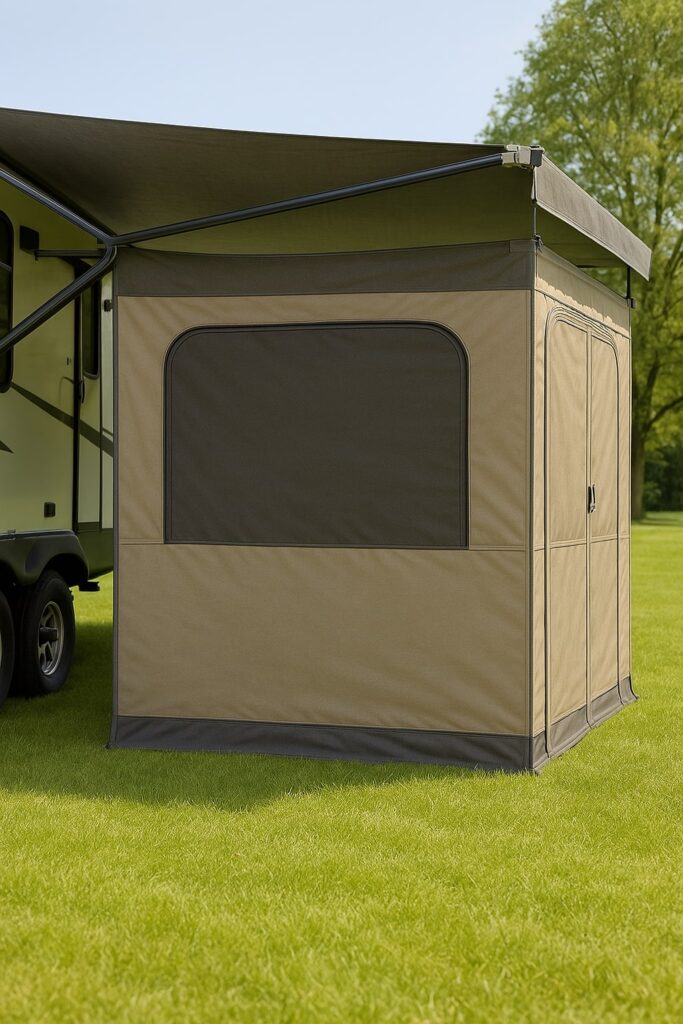
Like the front sun shade, side panels attach to your awning arms and form a three-walled shaded space.
Advantages:
- Blocks sun from multiple angles.
- Can help deter rain spray from entering.
- Great for pet enclosures or kids’ play areas.
Some versions come with zippered doors and can convert your shade into a more enclosed, private outdoor room.
3. Awning Extenders (Open-Wing Style)
Awning extenders increase your shaded footprint by expanding the reach of your existing awning using additional poles or fabric wings.
Unique Benefits:
- Offers flexibility—can be staked low for privacy or raised for airflow.
- Ideal for larger campsites or group camping.
Look for extenders with adjustable aluminum poles—they’re lightweight and strong, perfect for regular travel use.
4. Heavy-Duty Screen Rooms
Pop-up screen rooms are the go-to choice for longer stays or bug-heavy regions.
What to Look For:
- Sturdy pole systems: Aluminum or steel are ideal for wind resistance.
- Ground flaps: Keep bugs from sneaking underneath.
- Rainfly option: Some models come with waterproof covers.
Many screen rooms support clip-on privacy panels or fabric walls, so you can switch between shade and full enclosure.
5. Pop-Up Canopies & Portable Gazebos
Pop-up canopies are one of the most versatile and affordable options for creating instant shade. They’re great for dining, cooking, or relaxing outside your RV and can be set up in just a few minutes.
Key Features to Look For:
- Adjustable height legs for uneven ground
- UV-resistant fabric (preferably UPF 50+)
- Ventilated top for airflow
- Tie-downs or weight bags for wind stability
Some models also come with removable sidewalls or mesh screens, giving you even more protection from wind, sun, and insects. Look for reinforced corners and steel frames if you plan to use them regularly.
Best For: Short-term setups, tailgating, outdoor kitchens, or shared camp areas.
6. Shade Sails for Custom Coverage
If you camp in places where you can anchor to trees, poles, or vehicles, shade sails offer a stylish, semi-permanent solution. These triangular or rectangular fabric panels can be tensioned between anchor points to create a modern-looking shaded area.
Why Shade Sails Work Well:
- Highly customizable—fit to your exact space
- Great airflow underneath
- Visually appealing with a minimal footprint
Choose heavy-duty, breathable fabric for airflow and durability. Setup is easier with pre-sewn loops or D-rings at the corners. Just make sure to use strong anchors and tension straps to prevent sagging.
💡 Pro Tip: Use a mix of heights for your anchor points (e.g., one high, two low) to help with water runoff during rain.
7. Hybrid Awnings + Side Tent Combos
Some awnings are designed to integrate with optional side tents or annex rooms. These hybrid shelters combine the overhead protection of an awning with the enclosed privacy of a small tent, ideal for sleeping, gear storage, or extra guests.
Benefits of Awning Tents:
- Seamlessly attaches to your awning rail or frame
- Often comes with flooring and zippered mesh windows
- Doubles as extra sleeping quarters or a changing room
Brands like ARB, Dometic, and Fiamma offer systems with compatible add-ons, allowing you to build a modular shelter setup around your RV.
Setup takes a bit longer than a standard awning—but offers far more protection and flexibility.
8. Portable Umbrellas and Clamp-On Shades
For solo travelers or minimalist setups, clamp-on umbrella shades or freestanding beach-style umbrellas can provide targeted shade without the need for major gear. These are great for quick stops, picnics, or lounging outside the RV door.
Compact Shade Options Include:
- Clamp umbrellas (attach to picnic tables, chairs, ladders)
- Tripod-base umbrellas with tilting poles
- Compact half-dome shades or tent-style sun shelters
While not ideal in wind, these options shine when you want fast, simple shade without a full setup process.
9. Patio Mats + Shade Walls = DIY Shelter
Sometimes, a full structure isn’t needed. You can create a cozy, protected outdoor zone using a durable RV patio mat paired with one or two clip-on shade walls or tarps. It’s like building your own mini porch.
DIY Setup Tips:
- Use spring clamps or Velcro strips to attach shade fabric to your awning arms or poles.
- Add a patio mat to define the space and cut dust/mud.
- Consider battery-powered string lights or a small table for ambiance.
This setup is ultra-flexible and can be scaled up or down depending on your space and needs.
Outdoor RV Shelter Ideas
10. RV Carports and Permanent Shelters
When you need serious protection from sun, snow, or hail—especially for long-term parking—metal RV carports and permanent shelters are a reliable choice. These structures can be custom-built or pre-fabricated and anchored on concrete, gravel, or asphalt.
Advantages of Metal RV Carports:
- All-season protection (sun, rain, hail, snow)
- Available in open, partially enclosed, or fully enclosed models
- Customizable height and length to fit any rig
Things to Consider:
- Local zoning and building permits may be required
- Needs a solid foundation and proper drainage
- Higher upfront cost, but long-term durability
Tip: Look for galvanized steel or aluminum with powder-coated finishes to resist rust and weathering.
11. DIY Pole Barn-Style Shelters
A pole barn shelter offers similar protection to a carport but with a more rustic, customizable look. Built using wooden posts and a metal or shingle roof, these shelters can be made to blend into natural settings or backyard landscapes.
Features of a DIY Pole Shelter:
- Ideal for DIYers with basic construction knowledge
- Can add walls later for wind or privacy protection
- Can double as a workshop or gear storage space
You can even incorporate gutters, solar lighting, or side sheds to maximize functionality. While the build time is longer, the result is a durable, weather-resistant structure that adds value to your property.
12. Retractable Canopy Systems
Retractable canopy systems are a sleek alternative to traditional fixed shelters. Mounted on your home, garage, or custom posts, these canopies extend and retract with a crank or motor, allowing you to control sun and rain exposure.
Why Consider a Retractable Awning System:
- Adjust shade level based on time of day
- Clean, low-profile look when not in use
- Great for patios, driveways, or attached RV bays
Many models include wind sensors, remote control, or built-in lighting, making them highly functional for year-round use. They’re especially useful if your RV is parked beside your home or in a tight space.
13. Solar Panel Roof Covers
A solar-integrated RV cover gives you dual benefits: protection from the elements and the ability to generate off-grid power. These setups range from DIY solar pergolas to professional solar carports.
Solar RV Shelter Perks:
- Generate clean energy while parked
- Keeps your RV cooler in hot climates
- Offsets home or RV electrical use
Whether you’re storing your rig or using it as a guest suite or mobile office, solar roofs are a smart, eco-friendly solution for long-term setups.
14. Custom RV Porticos or Cabana-Style Covers
Some RV owners choose to build custom portico-style covers or full cabana shelters that combine style and utility. These often include lattice walls, trellis features, or pergola-style beams for an upscale outdoor living feel.
Cabana Shelter Highlights:
- Great for high-end RV resorts or home setups
- Adds aesthetic appeal to your outdoor space
- Can include furniture, lighting, ceiling fans, and more
Outdoor RV Shelter Ideas
15. Camouflage Netting and Shade Sails
For dispersed camping or wilderness stays, camouflage netting and UV shade sails provide a lightweight, minimalist solution. These covers help your RV blend into the surroundings while still offering sun and rain protection.
Why Use Camouflage Netting or Shade Sails:
- Lightweight and easy to pack
- Provides shade without creating a permanent structure
- Helps reduce the visual footprint in natural environments
You can drape netting over trees, poles, or a simple frame for instant coverage. Shade sails, often made from breathable fabric, are ideal for desert or high-sun areas.
16. Tarp and Rope Shelters for Off-Grid Parking
If you’re boondocking or parked far from infrastructure, a tarp-and-rope setup is one of the most flexible and cost-effective shelter ideas.
Setup Tips:
- Use reflective tarps for sun or insulated tarps for cold weather
- Anchor to nearby trees or use telescoping poles
- Create a sloped pitch to allow for rain runoff
This method is perfect for temporary campsites or unpredictable weather, giving you adaptable protection with minimal gear.
17. Living Roofs and Green Shelters
If you’re setting up a semi-permanent basecamp on private land, consider building a green roof shelter using native vegetation or moss.
Advantages of Eco-Roof Shelters:
- Natural insulation keeps things cooler in summer
- Blends with the landscape for a low-profile look
- Encourages pollinators and reduces rain runoff
These shelters take more time to build but offer long-term environmental benefits and beautiful aesthetics—perfect for homesteaders or landowners wanting a more natural look.
18. Bamboo or Thatch Shade Structures
In tropical or warm climates, bamboo and thatch materials can create functional, breathable RV shelters that don’t trap heat.
Design Ideas for Bamboo/Thatch Shelters:
- Open-sided shade huts or lean-tos
- Thatched roof covers for solar panel-equipped RVs
- Low-cost, biodegradable materials for eco-conscious setups
These structures are especially popular in beachside RV spots, tropical retreats, and eco-resorts where style meets sustainability.
19. Mobile Privacy Panels and Windbreak Screens
For stealth camping or urban RV parking, portable privacy screens and windbreak panels serve as both shelter and visual cover. They’re easy to set up, lightweight, and help create a personal bubble even in public areas.
Great For:
- Overnight parking in rest areas, city streets, or boondocking zones
- Blocking headlights, wind, or nearby activity
- Creating a mini “yard” feel next to your RV
You can pair these panels with a small awning to create a compact but cozy outdoor setup.
20. Upcycled Shelter Frames
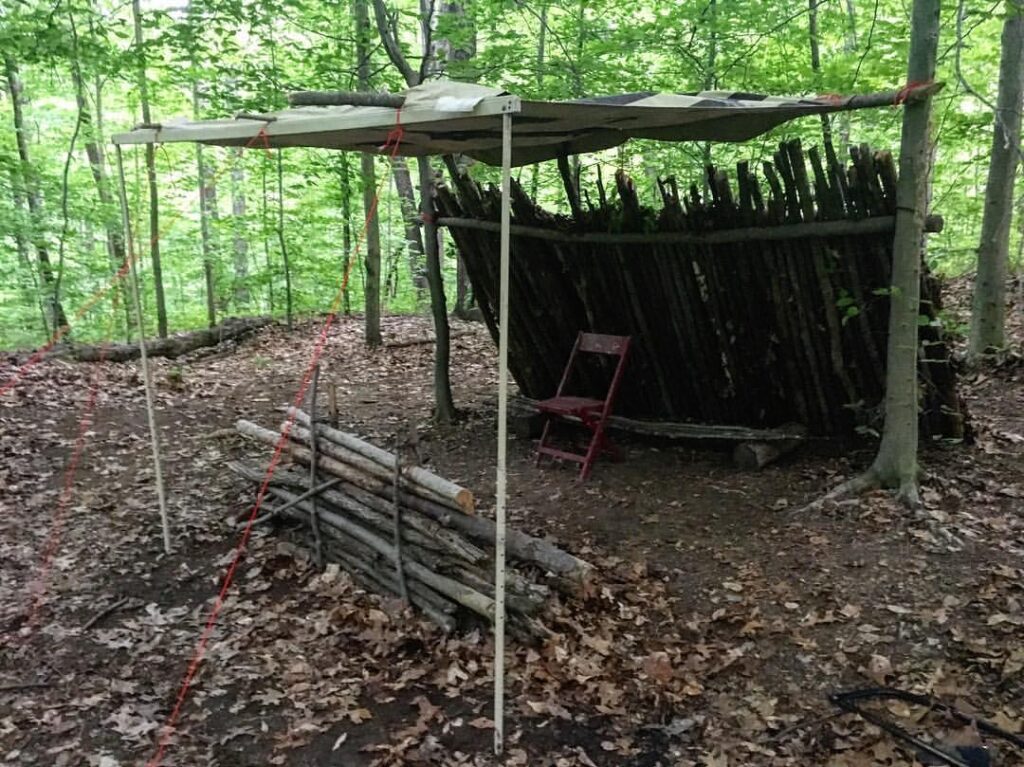
Photo Credit: @ ian4tuna
Got access to salvaged wood, pallets, or old construction materials? You can build a creative RV shelter using upcycled materials for a budget-friendly, one-of-a-kind structure.
Ideas for Reclaimed Material RV Shelters:
- Pallet walls for wind protection
- Corrugated metal roofs with salvaged beams
- Reused greenhouse panels for partial sun coverage
Not only does this reduce waste, but it also allows for a rustic, creative aesthetic that matches off-grid or DIY living.
How to Choose the Right Shelter for Your RV?
When selecting a shelter, it’s important to weigh your budget, climate, intended usage, and mobility needs. Ask yourself:
- Do I need permanent or temporary shelter?
- Is it for full-time RVing, storage, or seasonal use?
- What kind of weather does the shelter need to withstand?
- Am I prioritizing cost, appearance, or ease of installation?
Here’s a breakdown of major factors to consider:
Installation Difficulty
- Easy: Tarps, pop-up tents, portable awnings
- Moderate: Carports, shade sails, privacy panels
- Hard: Pole barns, green roofs, DIY upcycled builds
Budget Range
| Shelter Type | Estimated Cost | Best For |
|---|---|---|
| Pop-up Canopy | $100–$300 | Temporary, quick setup |
| Metal Carport | $800–$3,500+ | Long-term use at home or camp |
| Retractable Awning | $400–$2,000 | On-the-go shade |
| Wood Pole Barn | $4,000–$15,000+ | Permanent, durable home base |
| Shade Sail / Camouflage Net | $50–$200 | Lightweight boondocking |
| Bamboo/Thatch Shelter | $200–$800 | Tropical or eco-friendly environments |
| DIY Tarp Shelter | Under $100 | Off-grid, minimalist setups |
| Upcycled DIY Build | Varies ($100–$1,000) | Budget-conscious, creative builders |
Recommendations by RVing Style
- Full-Time RVers: Opt for a metal carport, retractable awning, or custom build that handles long-term exposure.
- Boondockers: Go with tarp shelters, camouflage netting, or portable privacy panels for flexibility.
- Urban Stealth Campers: Use folding screens, compact awnings, and low-profile shade sails.
- Home Storage: Choose a pole barn, permanent carport, or covered driveway.
- Eco-Conscious Travelers: Try a living roof, bamboo shelter, or recycled material structure.
Final Thoughts
Whether you’re parking your RV on rural land, boondocking in national forests, or storing it in your driveway, there’s a shelter that fits your needs, lifestyle, and budget.
The right choice protects your rig from sun, wind, and snow while enhancing comfort and extending the life of your RV. Even the simplest tarp-and-rope setup can make a world of difference on the road.