

Keeping your kitchen knives well-organized isn’t just about aesthetics—it’s also about safety, blade longevity, and optimizing your cooking workflow. With countless knife storage options available, selecting the right method can feel overwhelming. Whether you’re a home chef with a growing collection or a minimalist cook who values efficiency, this guide will help you choose a storage solution that fits your space, budget, and lifestyle.
In this comprehensive guide, I’ll explore every practical and stylish way to store your kitchen knives—from modern magnetic strips to drawer inserts, countertop solutions, and portable knife rolls. We’ll also help you understand which options are best for different kitchens, knives, and user needs.

Contents
- 1 Key Knife Storage Categories (with Definitions)
- 2 Factors to Consider Before Choosing Knife Storage
- 3 Wall-Mounted Knife Storage Solutions
- 4 Drawer-Based Knife Storage Solutions
- 5 Countertop Knife Storage Alternatives
- 6 Portable & Flexible Knife Storage Options
- 7 Blade-Specific Protection: The Unsung Hero
- 8 Unique & Hidden Knife Storage Ideas
- 9 Key Considerations Before Choosing a Knife Storage Method
- 10 Common Mistakes to Avoid with Knife Storage
- 11 Expert-Recommended Storage Combos
- 12 Maintenance Tips to Keep Your Knife Storage Effective
- 13 Final Thoughts: Choosing the Best Knife Storage for You
- 14 Actionable Steps: How to Choose Today
Key Knife Storage Categories (with Definitions)
Let’s break down the most popular knife storage methods with quick definitions to help clarify your options:
Magnetic Knife Strip
A wall-mounted or fridge-mounted strip with embedded magnets that hold knives in place.
Knife Block
A freestanding wooden or plastic block with slots designed to hold various knife sizes.
In-Drawer Knife Organizer
A drawer insert that holds knives securely with either pre-cut slots or soft materials like cork or bamboo.
Knife Roll / Bag
A fabric or leather roll with stitched pockets for storing knives, ideal for portability.
Blade Guards / Sheaths
Individual protective covers for knife blades, used for safety in drawers or while traveling.
Under-Cabinet Knife Storage
A hidden or retractable knife rack mounted beneath cabinetry, offering discreet access.
Countertop Magnetic Stand
An upright stand with magnetic panels that hold knives without slots or grooves.
Factors to Consider Before Choosing Knife Storage
Not all storage solutions are created equal—and the best one depends on your kitchen’s setup and your cooking habits.
Consider these factors:
- Kitchen size: Compact kitchens may benefit from wall-mounted or under-cabinet storage.
- Knife collection size: The more knives you own, the more flexible or expansive your storage should be.
- Blade types: Some knives (like Japanese blades) are more delicate and need specific protection.
- Safety needs: Households with children should prioritize secure, tamper-proof storage.
- Frequency of use: Keep frequently used knives easily accessible; store specialty knives safely elsewhere.
- Aesthetic preferences: Choose between sleek modern options or rustic wood to match your kitchen décor.
- Maintenance: Some materials (like wood) require more upkeep to prevent bacteria buildup.
Wall-Mounted Knife Storage Solutions

Photo Credit: @mayslivingwithlisa
Wall-mounted knife storage has become a favorite in modern kitchens for good reason: it saves counter space, keeps knives within reach, and adds a stylish touch to your cooking area.
1. Magnetic Knife Strips


A magnetic knife strip is a sleek, space-efficient solution that mounts to your kitchen wall and uses strong magnets to hold knives in place.
Pros:
- Keeps blades visible and accessible
- Easy to clean and sanitize
- Saves valuable drawer and counter space
- Customizable lengths and materials (wood, stainless steel, bamboo)
Cons:
- Requires wall installation
- May dull blades if not handled properly
- Not ideal for high-humidity environments
Pro Tip:
Opt for wooden magnetic strips with concealed magnets to reduce the risk of scratching delicate knife blades. Brands like Benchcrafted and wooDsom offer premium options in various wood finishes.
2. Fridge-Mounted Magnetic Strips

For renters or those who prefer not to drill into walls, fridge-mounted magnetic strips are a viable alternative. These strips attach to the side of a refrigerator using built-in magnets.
Caution:
Fridge doors are frequently opened and closed, which can jostle knives loose. Use with caution and only for lightweight blades.
Drawer-Based Knife Storage Solutions

Photo Credit: @bynnesmonddesigns
For a clean, clutter-free countertop, in-drawer knife storage is an excellent choice. It hides knives safely while still keeping them organized.
3. In-Drawer Knife Organizers
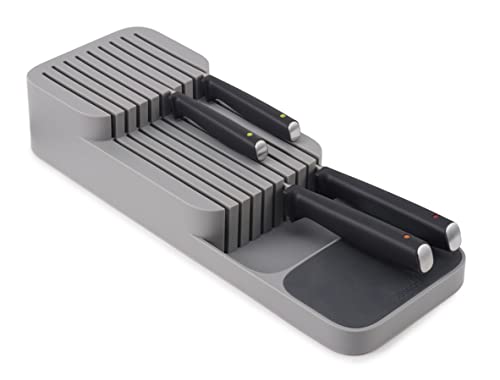
These are specially designed inserts that hold each knife separately, preventing blades from touching or sliding.
Types of in-drawer storage:
- Cork-lined docks – Flexible and gentle on blades
- Bamboo or wood slotted trays – Eco-friendly and structured
- Plastic trays with universal slots – Affordable and functional
Pros:
- Keeps knives out of sight and safe from children
- Prevents blade contact and dulling
- Great for minimalist kitchens
Cons:
- Requires sufficient drawer space
- Less convenient for frequent knife use
Pro Tip:
If your drawer space is tight, look for tiered or angled inserts that make better use of vertical space.
Countertop Knife Storage Alternatives
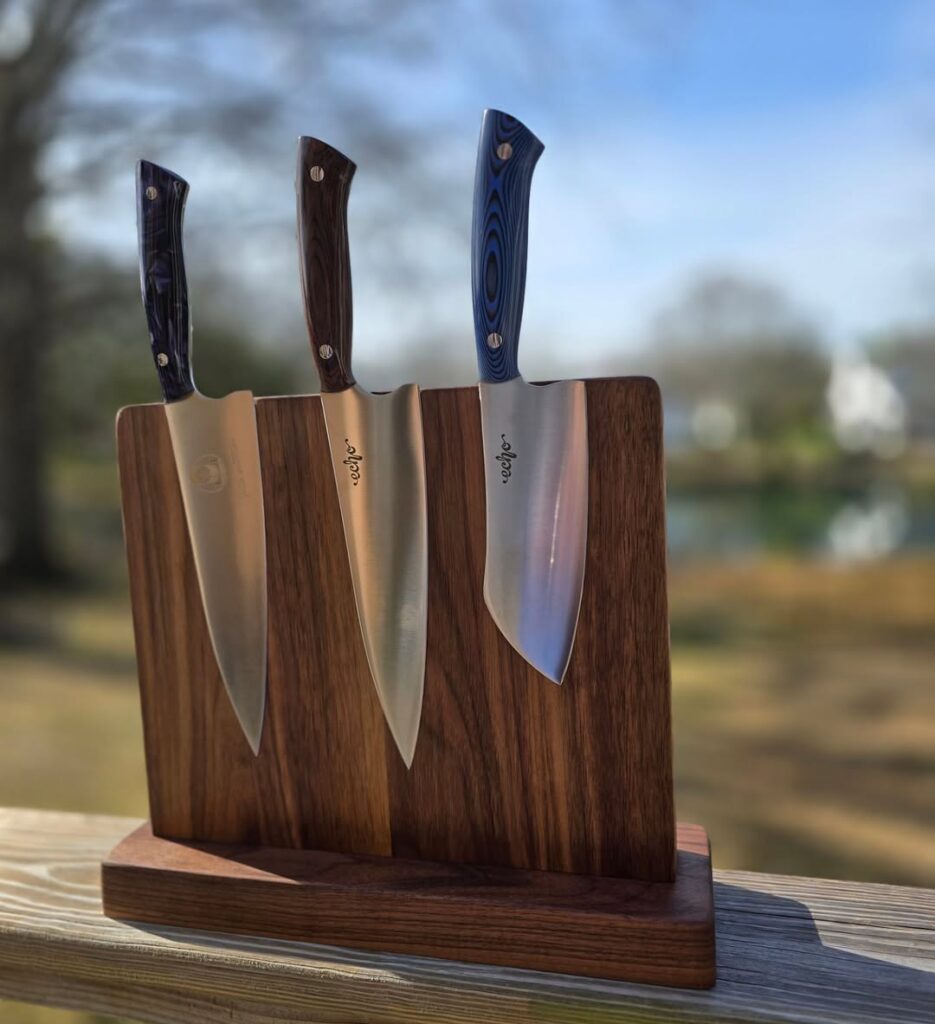
Photo Credit: @cuttingboardsforacause
While traditional knife blocks are common, they’re not the only option. Modern countertop knife holders provide both function and visual appeal.
4. Magnetic Knife Blocks & Stands
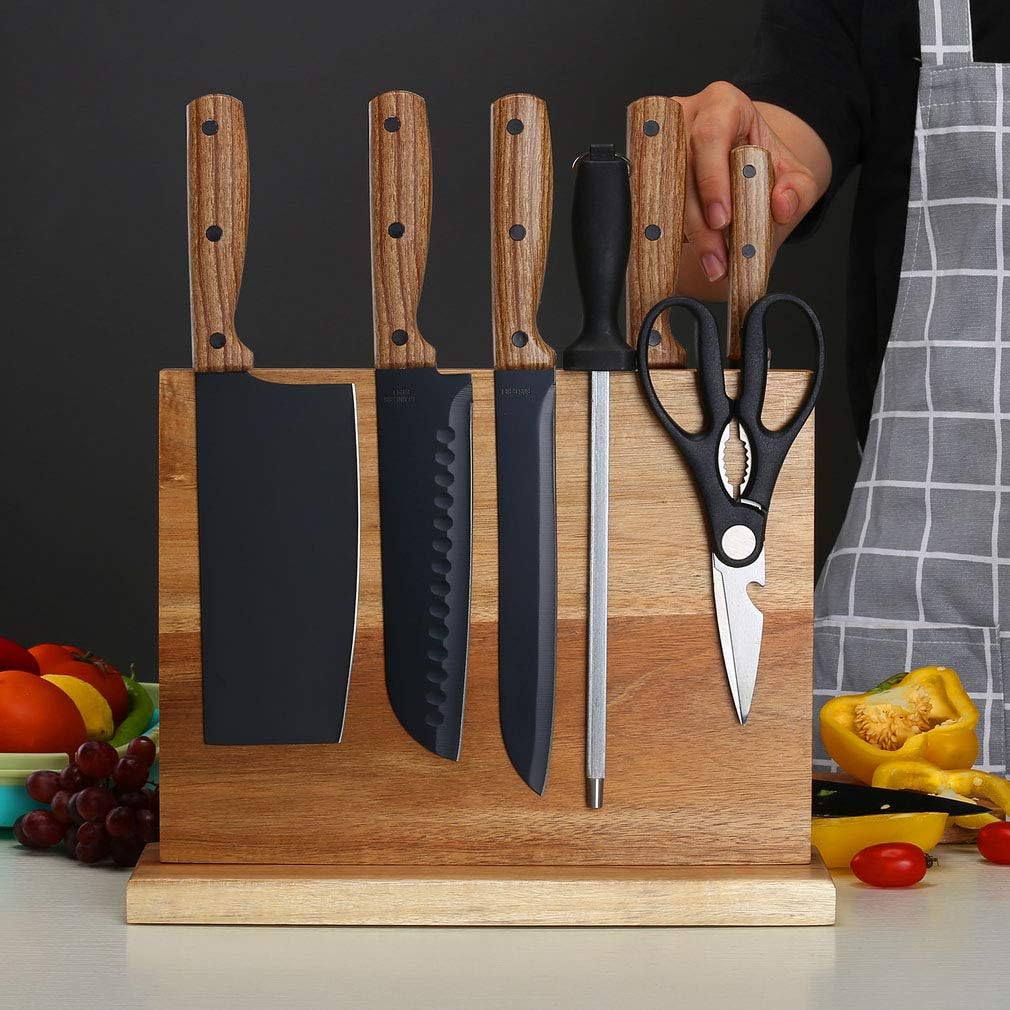
These are upright stands with built-in magnets that securely display knives on either side of a vertical surface.
Pros:
- Sleek and modern appearance
- Easier to clean than slotted knife blocks
- Can accommodate knives of all shapes and sizes
Cons:
- May be less stable than traditional blocks
- Knife handles may protrude if the stand is small
5. Universal Knife Blocks

Instead of fixed slots, these blocks use flexible rods, bristles, or cork inserts to hold knives in place.
Pros:
- Compatible with all knife types and sizes
- Easy to insert and remove knives
- Doesn’t require a matching knife set
Cons:
- Can trap moisture if not cleaned regularly
- Less blade separation than magnetic options
Maintenance Tip:
Clean and air-dry the interior of universal blocks regularly to prevent mold or bacteria buildup.
Portable & Flexible Knife Storage Options
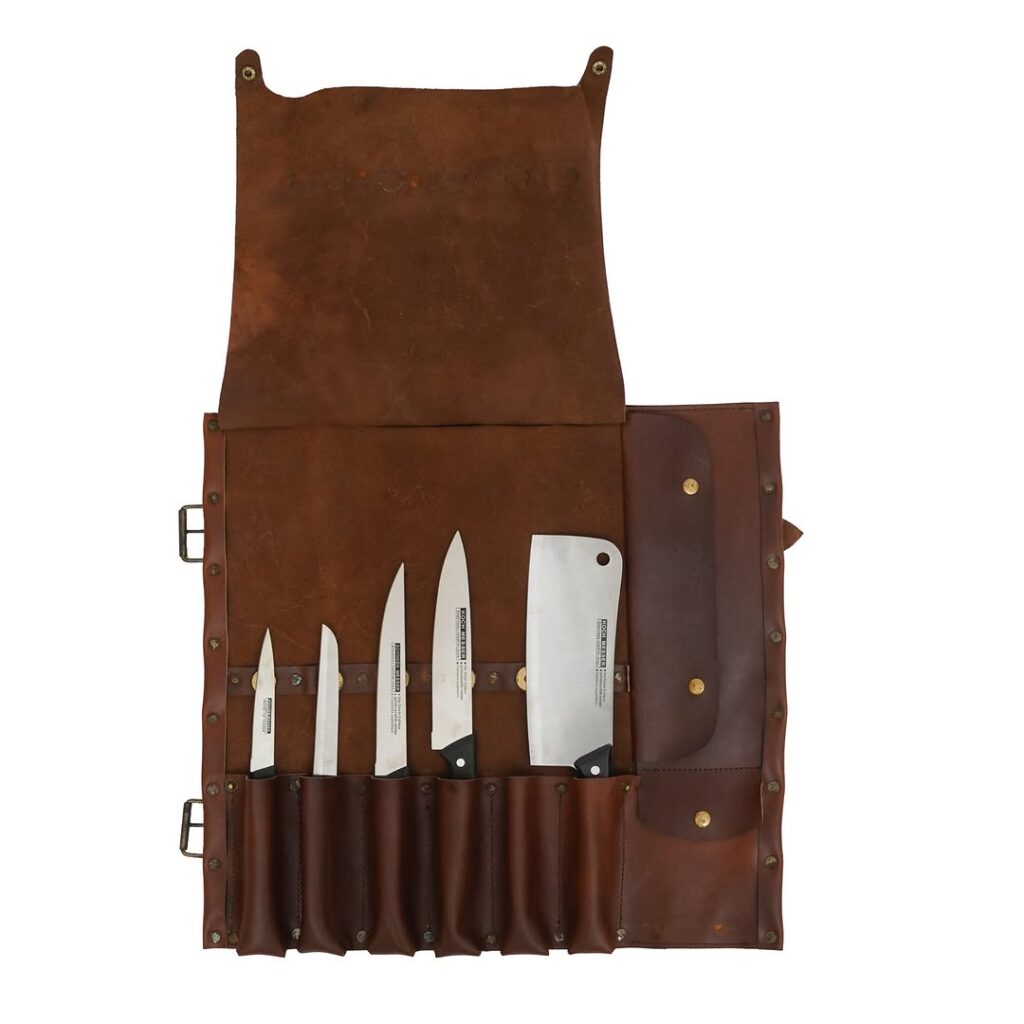
Photo Credit: @craft_smans1
Not everyone stores their knives in a fixed location. Whether you’re a traveling chef, meal-prep enthusiast, or camper, portable storage is essential for safety and convenience.
6. Knife Rolls and Knife Bags

These storage solutions are made from canvas, leather, or nylon and include individual slots or pockets for each knife. Ideal for professional chefs or serious home cooks on the move.
Pros:
- Great for transporting knives safely
- Holds a variety of blade types and tools
- Compact and lightweight
- Some include zippered pouches for additional tools
Cons:
- Not ideal for everyday storage in a home kitchen
- Requires counter space to unroll and access knives
Safety Tip:
Always use blade guards inside a knife roll to prevent blades from slicing through the fabric—and your hand.
7. Knife Luggage / Hard Cases
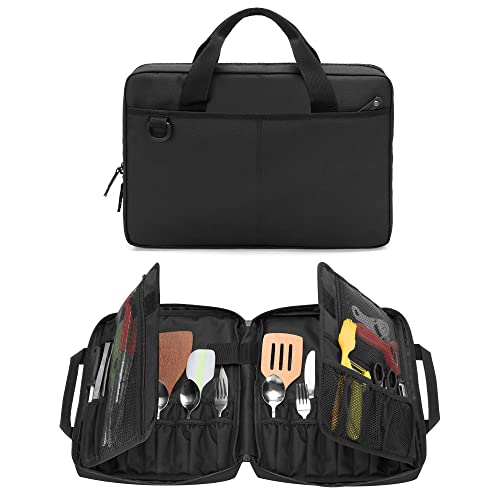
For maximum protection during travel or transport, knife luggage offers a more structured, padded design, often with locks or zippers.
Best for:
- Culinary students
- Traveling chefs
- Event caterers
Features to look for:
- Reinforced edges
- Adjustable pockets
- TSA-compliant design (if flying)
Blade-Specific Protection: The Unsung Hero
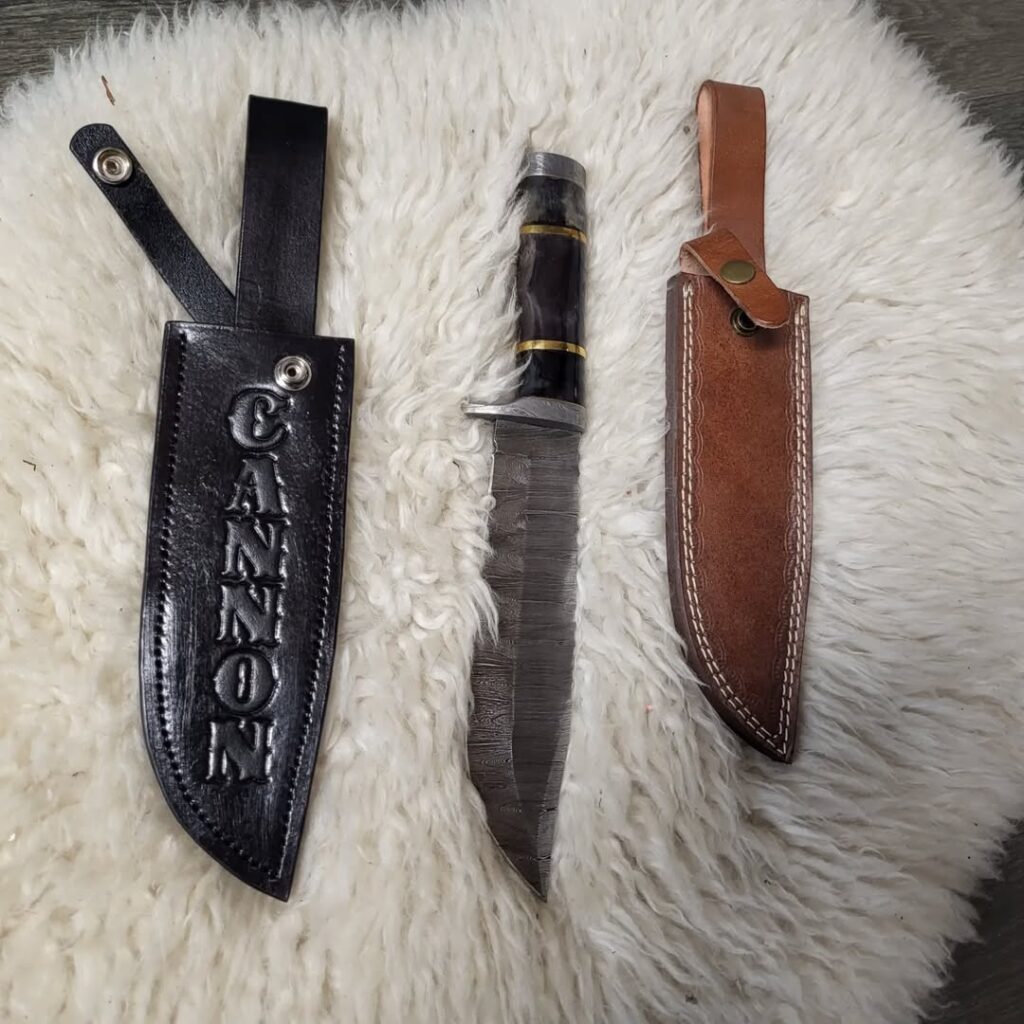
Photo Credit: @tucked_away_73
Even if you store your knives on a magnetic strip or in a block, individual blade protection is a smart secondary layer of safety—especially for drawers or travel.
8. Blade Guards / Knife Sheaths
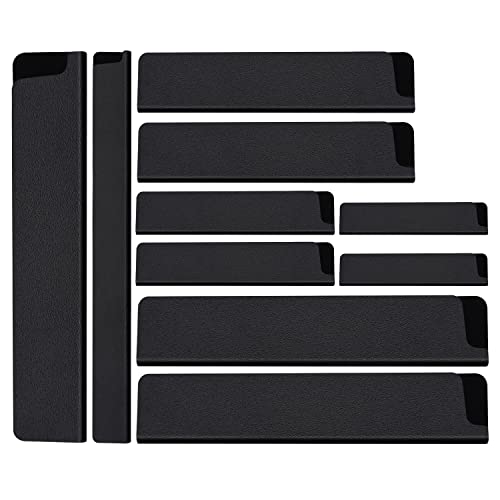
Simple plastic or silicone covers that slip over a blade. Available in a range of sizes to match your knives.
Pros:
- Inexpensive and effective
- Prevent accidental cuts in drawers or knife bags
- Extend blade life by reducing contact
Cons:
- Can accumulate moisture if not dried properly
- Some generic sizes don’t fit snugly
Quick Tip:
Buy guards in sets with multiple sizes, or choose adjustable versions to ensure a snug fit.
9. Saya Covers for Japanese Knives

Sayas are traditional wooden sheaths that slide over Japanese blades, often custom-fit to each knife.
Pros:
- Offers maximum protection for high-end knives
- Prevents tip chipping and damage
- Adds cultural flair and authenticity
Cons:
- More expensive than plastic guards
- Typically available only for specific knife styles
Unique & Hidden Knife Storage Ideas
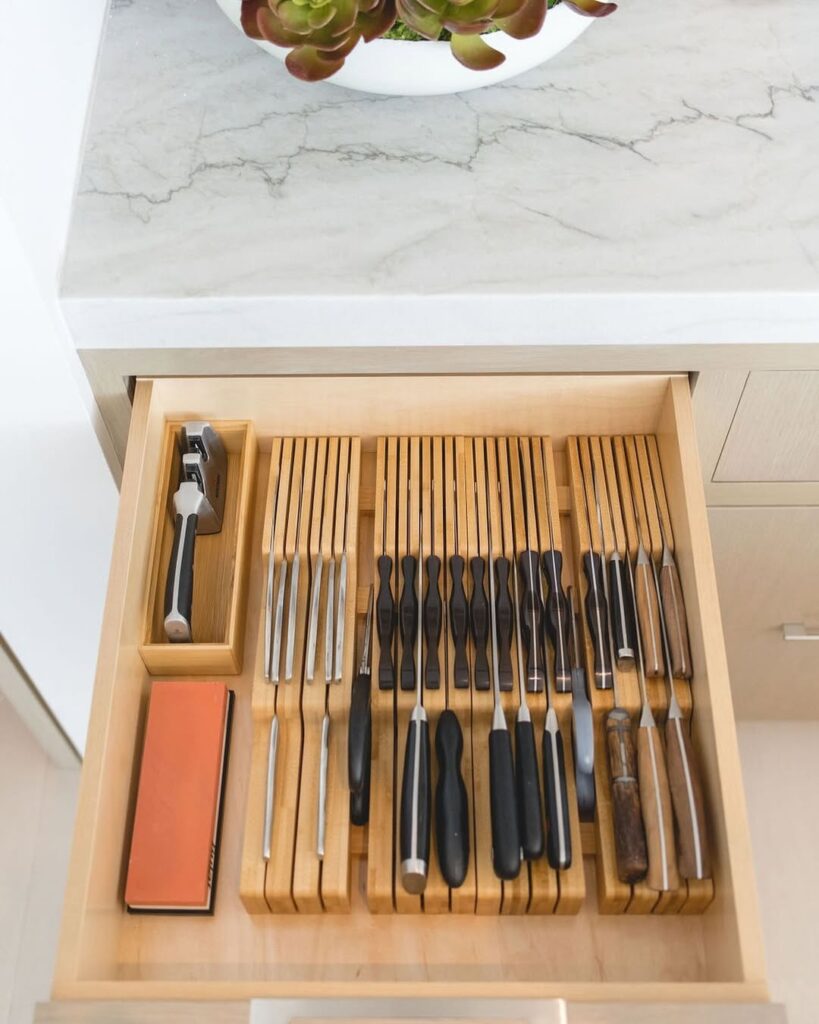
Photo Credit: @nancyeatoninspiredliving
Sometimes, the best storage solutions are the least obvious. These next ideas are perfect if you’re trying to keep your kitchen clutter-free or maximize every inch of space.
10. Under-Cabinet Knife Racks

Mounted beneath overhead cabinets, these racks slide or pivot out when needed and tuck away when not in use.
Pros:
- Hidden, discreet storage
- Saves counter and drawer space
- Safe from splashes and spills
Cons:
- Installation may require drilling or custom fitting
- Less suitable for very large knives
11. Pull-Out Knife Drawers
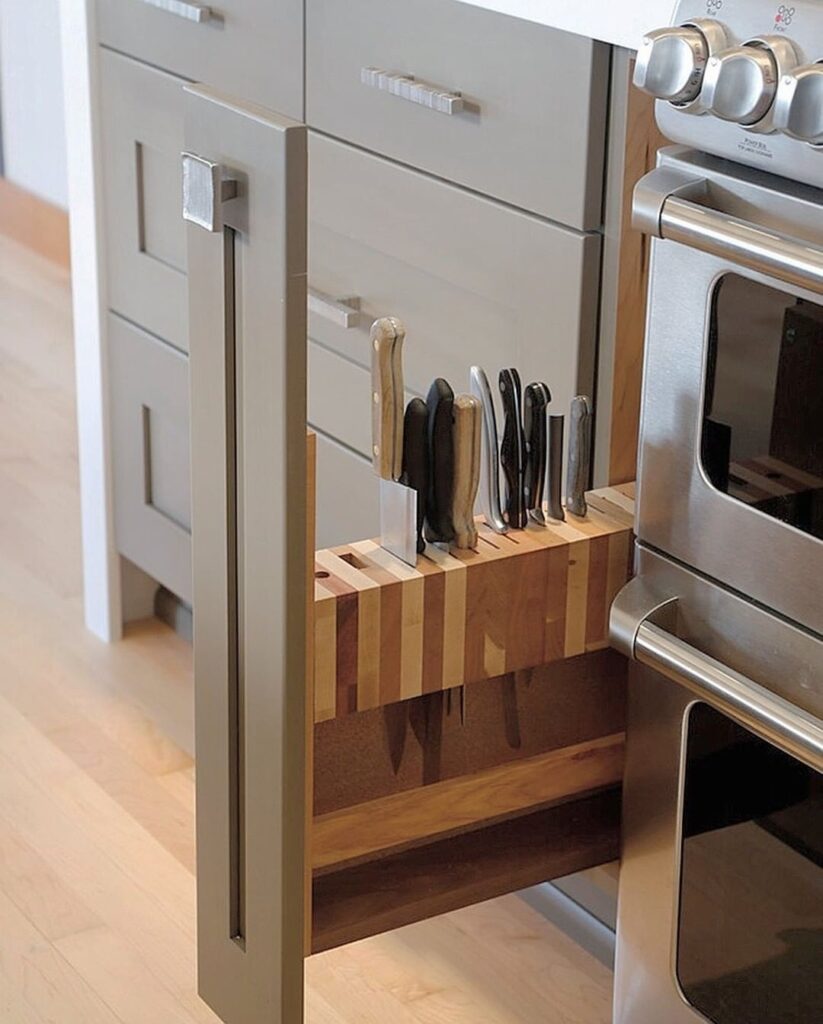
Photo Credit: @thespacecube
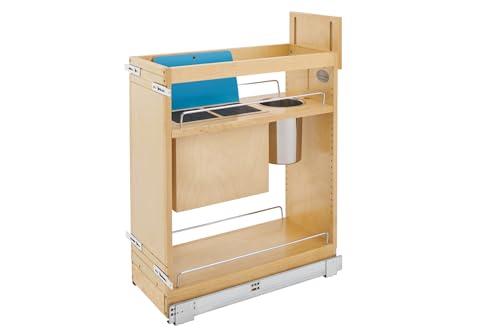
A drawer with built-in knife slots or a retractable tray, often found in custom cabinetry.
Pros:
- Completely hidden from view
- Child-safe if equipped with locks
- Keeps countertops completely clear
Cons:
- Usually part of custom or upgraded kitchen designs
- Higher cost than standard drawer inserts
Key Considerations Before Choosing a Knife Storage Method
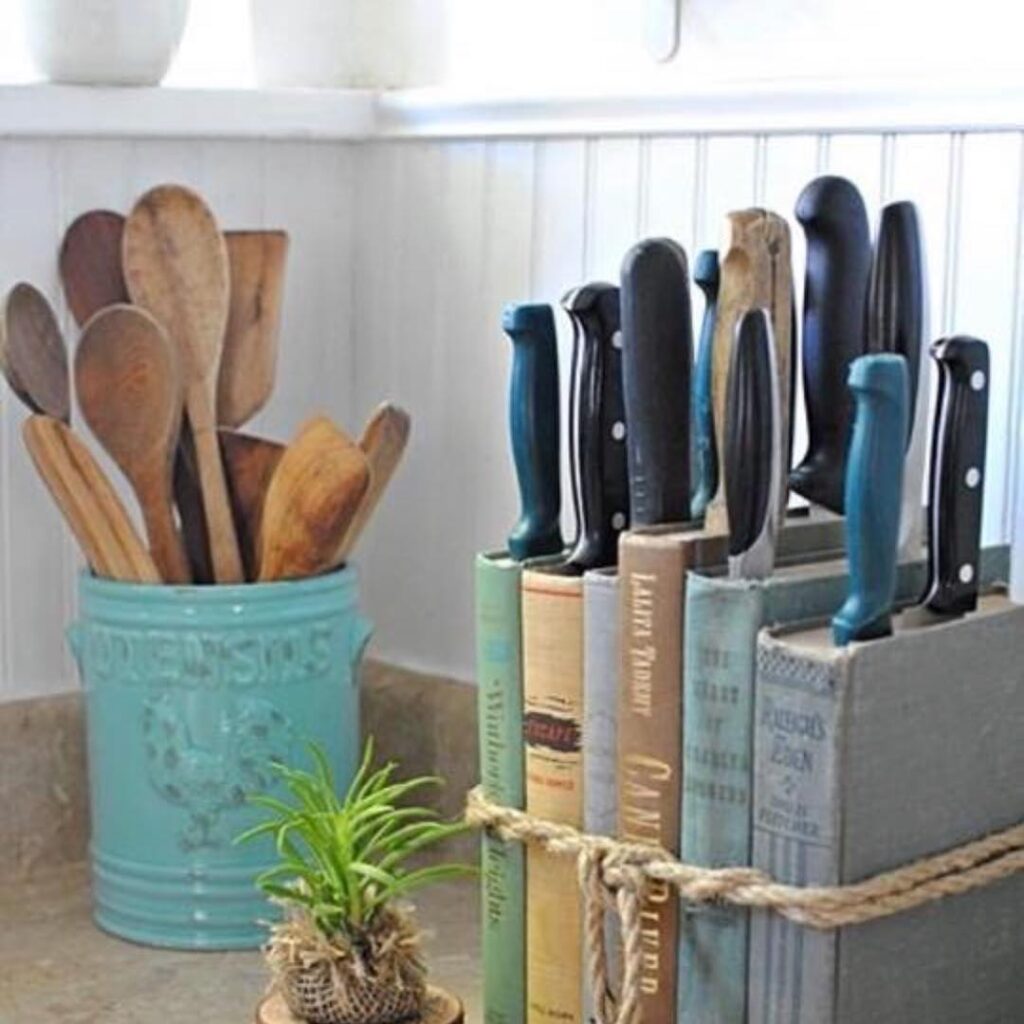
Photo Credit: @pollyaik_gleeson
Not all kitchens—or cooks—are the same. Before investing in a knife storage solution, it’s crucial to assess your needs, habits, and available space. Here are the key factors to weigh:
1. Kitchen Layout and Space
- Small kitchens: Wall-mounted strips, under-cabinet racks, or compact drawer inserts are your best friends.
- Spacious kitchens: Countertop blocks or knife stands can add a decorative and functional touch.
2. Your Cooking Style
- Daily cooks: Quick access is key—magnetic strips or drawer inserts work well.
- Occasional chefs: A universal block or in-drawer dock might suffice.
- Traveling chefs or hobbyists: Opt for knife rolls or hard cases for mobility.
3. Child Safety
If you have young children, avoid countertop displays or magnetic strips within reach. Prioritize in-drawer storage or pull-out, lockable drawers to reduce risk.
4. Knife Collection Size & Type
Do you own three essential knives, or a full 12-piece set including Japanese specialty blades?
| Collection Type | Recommended Storage |
| Minimal (3–5 knives) | Compact block, drawer insert, or strip |
| Medium (6–10 knives) | Wall strip + drawer insert combo |
| Large (10+ knives) | Knife roll, magnetic stand, blade guards |
| Japanese knives | Saya covers, wood magnetic blocks |
5. Budget
You can find effective knife storage options at every price point:
- $10–$30: Plastic blade guards, budget strips, or basic drawer inserts
- $30–$75: Premium magnetic strips, universal blocks, cork-lined docks
- $100+: High-end knife rolls, custom wood stands, saya covers
Common Mistakes to Avoid with Knife Storage
Even the best knife storage system can fail if misused. Here are frequent pitfalls to steer clear of:
1. Storing Knives Loose in Drawers
This dulls the blade faster and poses a major safety risk. If drawer storage is your only option, invest in blade guards or a proper knife dock.
2. Improperly Mounted Magnetic Strips
Ensure your strip is installed with wall anchors if needed. A loose strip can cause knives to fall and become damaged—or injure someone.
3. Overstuffed Knife Rolls
Trying to cram too many blades into a roll or bag increases the risk of tearing and injury. Stick to the recommended capacity.
4. Using Dirty or Wet Sheaths
Moisture trapped inside guards or saya covers can cause rust, especially on carbon steel knives. Always dry your knives completely before storing them.
Expert-Recommended Storage Combos
Often, no single solution is enough—especially for larger or more diverse knife collections. Here are some expert-approved combos:
Everyday Home Cook
- Magnetic wall strip for essentials
- In-drawer cork-lined dock for backups
- Blade guards for travel or overflow
Mobile Chef or Caterer
- Knife roll with blade guards
- Hard case for travel
- Saya covers for premium blades
Family-Friendly Kitchen
- Locked pull-out knife drawer
- Blade guards on all sharp edges
- Avoid countertop or wall-mounted options
Maintenance Tips to Keep Your Knife Storage Effective
Knife storage isn’t just about placement—it’s also about maintenance. To keep both your knives and their storage systems in top condition, follow these expert-approved tips:
1. Clean Regularly
- Wipe down magnetic strips, blocks, and docks weekly with a damp cloth and mild soap.
- Clean knife bags or rolls periodically—most fabric models can be hand-washed or spot-cleaned.
2. Avoid Moisture
- Never store wet knives. Moisture leads to rust, especially on high-carbon steel blades.
- Let knives air-dry completely before placing them in sheaths or drawer inserts.
3. Inspect Blade Guards & Sayas
- Replace any cracked or ill-fitting blade guards.
- Check wooden sayas for warping or mold if exposed to moisture.
4. Disinfect Knife Blocks Periodically
- Bacteria and crumbs can collect inside slotted blocks. Use a pipe cleaner or compressed air to remove debris, then sanitize with a vinegar solution.
Final Thoughts: Choosing the Best Knife Storage for You
There’s no single “best” way to store kitchen knives—it all comes down to your space, your tools, and your habits.
But what is essential is choosing a method that:
- Protects the blade’s sharpness
- Keeps your kitchen safe and organized
- Matches your aesthetic and functional needs
Here’s a quick-reference summary to help you decide:
| Storage Type | Best For | Pros | Cons |
| Magnetic Strip | Everyday use, visible access | Saves counter space | Risk if poorly installed |
| Universal Knife Block | Mixed sets, modern kitchens | Versatile, no size match needed | Takes up counter space |
| In-Drawer Insert | Child-safe kitchens, hidden storage | Sleek, organized | Needs dedicated drawer |
| Knife Roll / Bag | Professionals, travelers | Portable, compact | Not for quick access |
| Blade Guards / Sayas | Extra knives, travel, drawer storage | Inexpensive, versatile | Not standalone solutions |
| Pull-Out Knife Drawer | Custom kitchens, families | Hidden, secure | Costlier, may need remodel |
| Magnetic Knife Stand | Aesthetic presentation, collectors | Elegant and functional | Less compact |
Actionable Steps: How to Choose Today
- Take inventory of your knives—count them and list their types.
- Measure your space—drawer dimensions, wall area, counter space.
- Assess your lifestyle—daily cooking, occasional meals, or professional prep?
- Set a budget—plan based on how many knives you need to store now (and in the future).
- Mix and match storage methods as needed—there’s no rule against using multiple solutions!
With the right setup, knife storage becomes more than just a practical necessity—it becomes a cornerstone of your kitchen’s organization, safety, and style.