

Are you looking to upgrade your fence without replacing the entire structure? Fence toppers offer an excellent solution to increase privacy, add height, and enhance the aesthetic appeal of your outdoor space. Whether you have a wooden, vinyl, or concrete block fence, there’s a perfect topper option to transform your ordinary boundary into a standout feature of your property.
In this comprehensive guide, I’m excited to share 15 creative fence topper solutions that I’ve found to be incredibly useful for a variety of needs. Whether you’re looking to boost privacy, add a stylish decorative touch, improve security, or better define your outdoor living spaces, there’s a fence topper idea here for you. I’ll walk you through different material options, share some practical installation tips, and cover what you need to know about maintenance so you can make the best decision for your yard.
Contents
- 1 What Are Fence Toppers?
- 2 Before You Install: Important Considerations
- 3 Lattice Fence Toppers: Classic Appeal with Modern Benefits
- 4 Solid Panel Fence Toppers: Maximum Privacy Solutions
- 5 Fabric and Natural Material Fence Toppers: Versatile Solutions
- 6 Metal and Industrial-Style Fence Toppers: Modern Edge
- 7 Extending Your Existing Fence: Structural Solutions
- 8 13. Trellis Fence Toppers
- 9 14. Decorative Caps and Finials
- 10 15. Mixed Material Fence Toppers
- 11 Installation and Maintenance Tips
- 12 Conclusion
What Are Fence Toppers?
Fence toppers (sometimes called fence extensions or fence caps) are additional structures installed on existing fences to increase height, provide additional privacy, or enhance visual appeal. They’re a cost-effective way to upgrade your fence without the expense and effort of complete replacement.
Before You Install: Important Considerations
Before selecting a fence topper, consider these crucial factors:
Local Regulations
- Height restrictions: Many municipalities limit fence heights, with different requirements for front, side, and backyard fences.
- Permit requirements: Some areas require permits for fence modifications over certain heights.
- HOA guidelines: If applicable, check your homeowner’s association rules regarding fence modifications.
Structural Considerations
- Fence stability: Ensure your existing fence can support the additional weight of a topper.
- Post strength: Some toppers may require reinforced or extended posts.
- Wind resistance: Consider how your chosen topper will handle strong winds in your area.
Material Compatibility
- Choose materials that complement your existing fence both functionally and aesthetically.
- Consider weather resistance based on your local climate conditions.
Now, let’s explore your options for transforming your fence with these innovative topper solutions.
Lattice Fence Toppers: Classic Appeal with Modern Benefits
Lattice toppers remain one of the most popular choices, offering a perfect balance of privacy and airflow while adding visual interest to your fence line.
1. Diamond Lattice Fence Toppers

Photo Credit: @a1fencingmd
Diamond lattice features diagonally-oriented strips creating diamond-shaped openings, providing a traditional, elegant look that complements almost any home style.
Benefits:
- Creates partial privacy while allowing light and air circulation
- Provides an excellent structure for climbing plants
- Widely available at most hardware stores
- Easy to install with basic tools
Installation Tips:
- Secure lattice panels to a simple wooden frame
- Mount the frame to your existing fence posts (extended if necessary)
- Consider adding a cap board across the top for a finished look
- Paint or stain to match or contrast with your existing fence
2. Square Lattice Fence Toppers
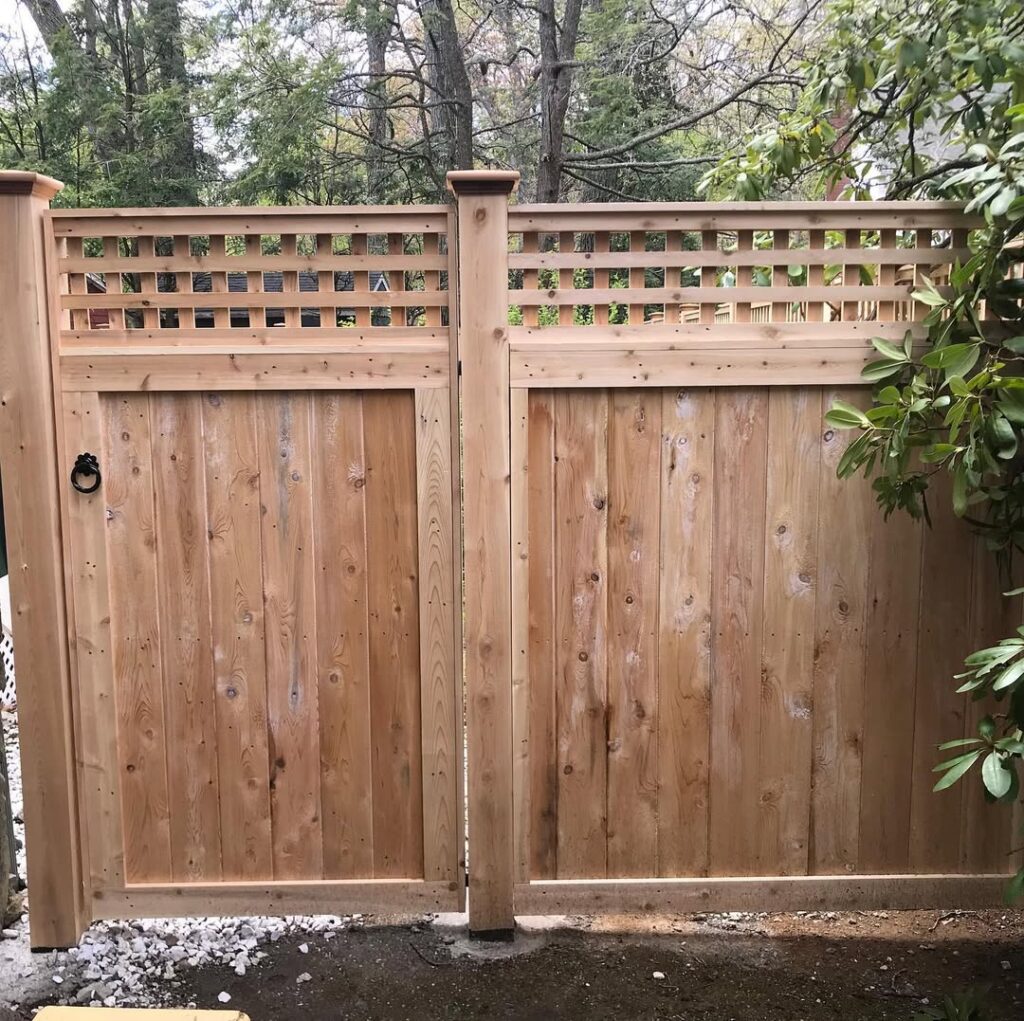
Photo Credit: @w.j.mcdonoughfence
Square lattice features horizontal and vertical slats forming square openings, creating a more contemporary, architectural appearance.
Benefits:
- Creates a more structured, modern aesthetic
- Offers the same privacy/airflow balance as diamond lattice
- Particularly effective for Asian-inspired or contemporary garden designs
- Strong geometric pattern adds visual interest
Material Options:
- Wood: Traditional, can be stained or painted, requires maintenance
- Vinyl/PVC: Low-maintenance, typically white but can be painted with specialty plastic paint
- Composite: Durable, available in various colors, minimal maintenance required
3. Decorative Lattice Pattern Toppers
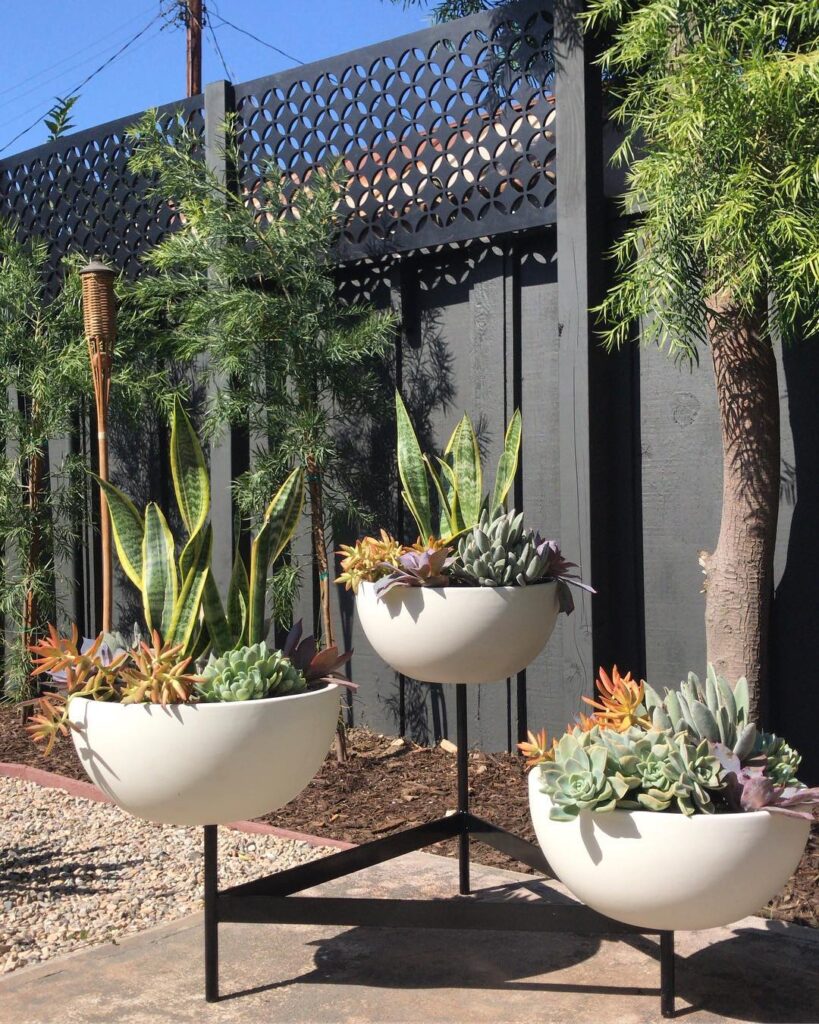
Photo Credit: @socalmodern
Beyond basic squares and diamonds, decorative lattice patterns offer unique designs that make your fence a true standout feature.
Popular Designs:
- Sunburst patterns
- Mediterranean-inspired cutouts
- Geometric modern designs
- Asian-influenced patterns
Installation Consideration: These specialized designs typically require purchasing pre-made panels rather than DIY construction, though skilled woodworkers can create custom patterns.
Solid Panel Fence Toppers: Maximum Privacy Solutions
When privacy is your primary concern, solid panel fence toppers provide the most effective solution.
4. Wood-Poly Composite Decorative Panels
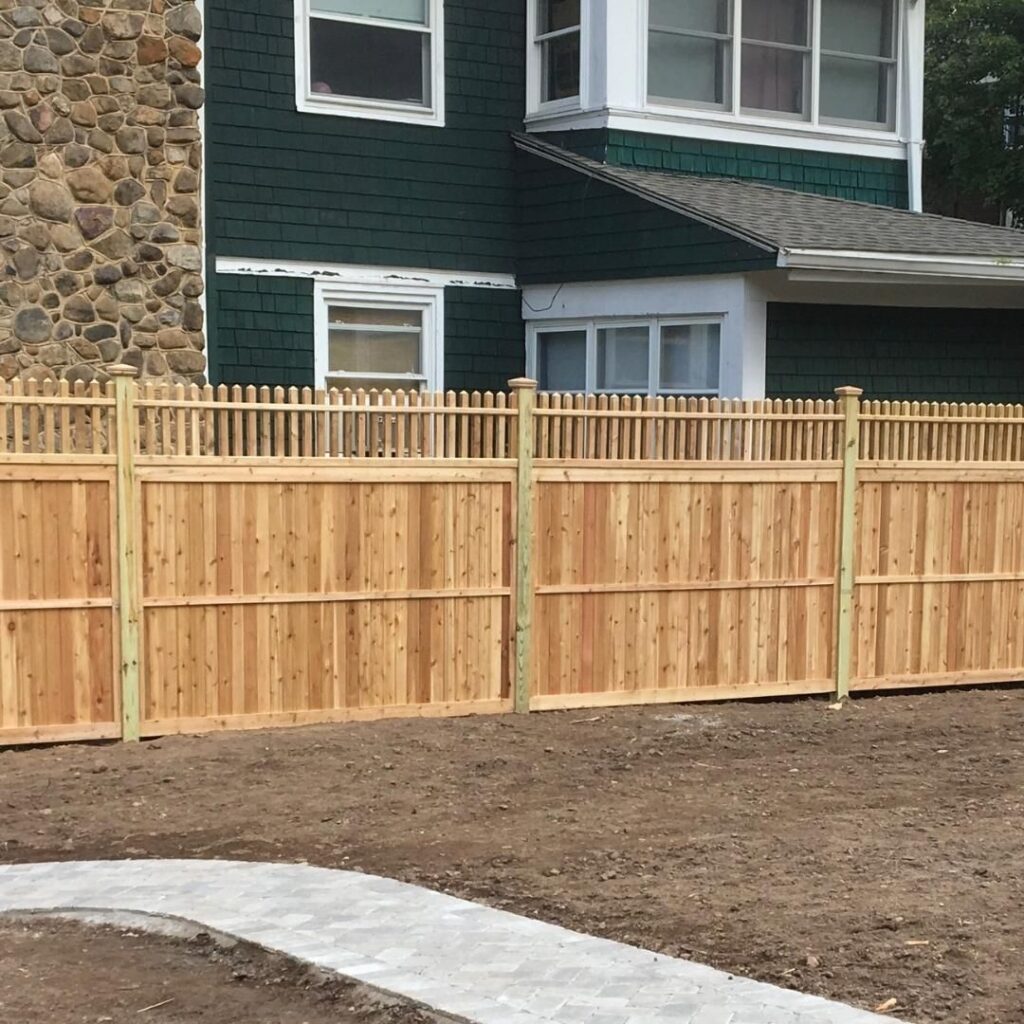
Photo Credit: @artisticfencenj
Composite panels combine the natural look of wood with the durability of polymers, offering stylish designs with minimal maintenance.
Key Features:
- Weather-resistant and durable
- Available in various patterns and designs
- Won’t rot, warp, or require regular painting
- Can include decorative cutouts for visual interest while maintaining privacy
Installation Note: These panels are typically heavier than lattice and may require additional structural support.
Fabric and Natural Material Fence Toppers: Versatile Solutions
For those seeking softer, more organic-looking solutions, fabric and natural materials offer excellent alternatives to traditional fence toppers.
5. Privacy Screen Fabric Toppers
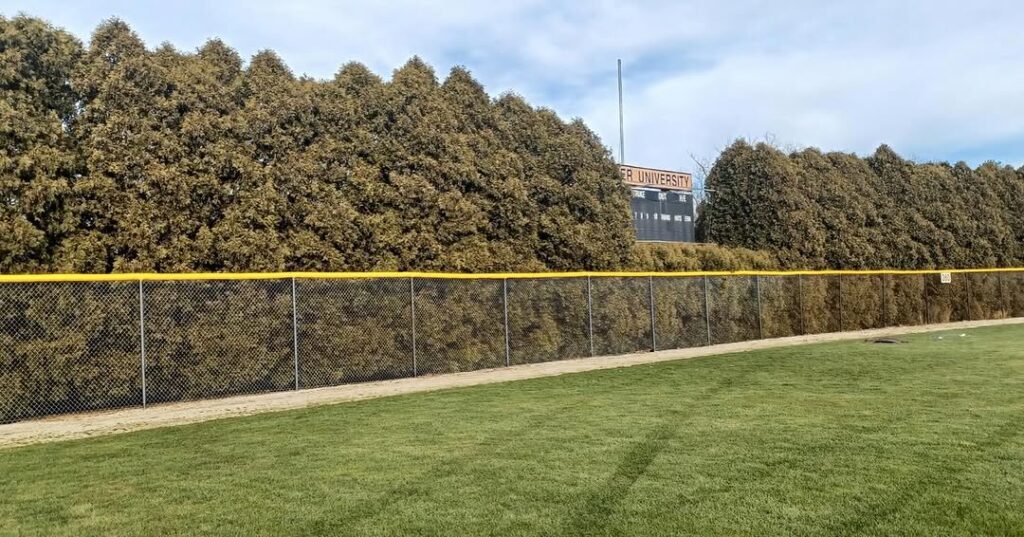
Photo Credit: @coachespy16
Fabric privacy screens provide an affordable, quick-install solution that adds both height and privacy to your existing fence.
Benefits:
- Lightweight and easy to install
- Available in various colors to match your outdoor décor
- Can be seasonal or permanent solutions
- Wind-permeable designs reduce stress on fence structure
Installation Options:
- Attach to horizontal support cables strung between extended posts
- Secure to wooden frames mounted above your existing fence
- Install with grommets and UV-resistant zip ties for durability
Maintenance Tip: Choose UV-protected, weather-resistant fabrics designed specifically for outdoor use to ensure longevity and color retention.
6. Artificial Ivy and Green Wall Toppers
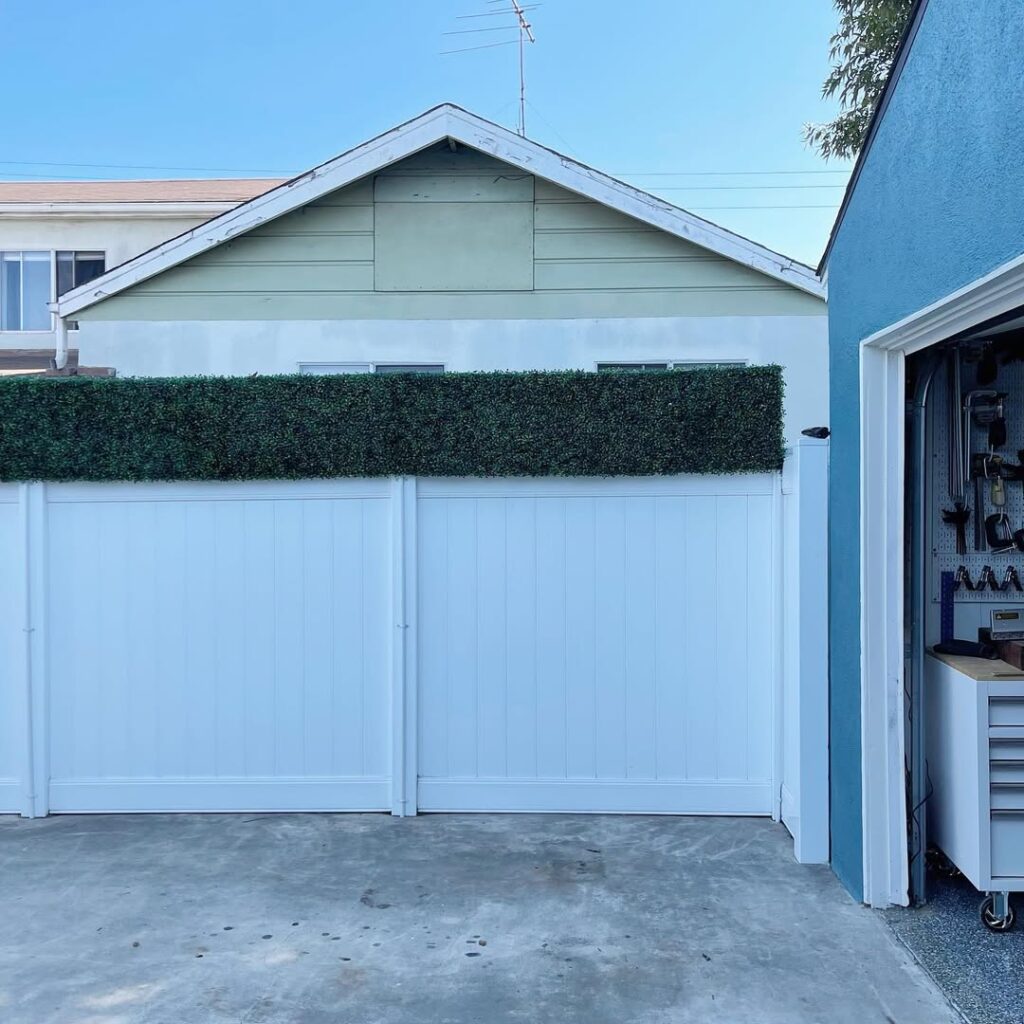
Photo Credit: @wood_brain
Faux greenery offers the look of living plants without the maintenance, creating a lush, natural-looking privacy barrier.
Advantages:
- Creates instant “green” privacy
- No watering or plant maintenance required
- Provides consistent coverage year-round
- Can soften the appearance of harsh fencing materials
Selection Tips:
- Choose UV-protected products designed for outdoor use
- Look for dense coverage with realistic leaf patterns
- Select products with secure backing to prevent wind damage
- Consider seasonal options to match your climate and aesthetic preferences
Installation Considerations: Requires a support framework—either a tension wire system between posts or a lightweight frame attached to your existing fence.
7. Reed Roll Fence Toppers
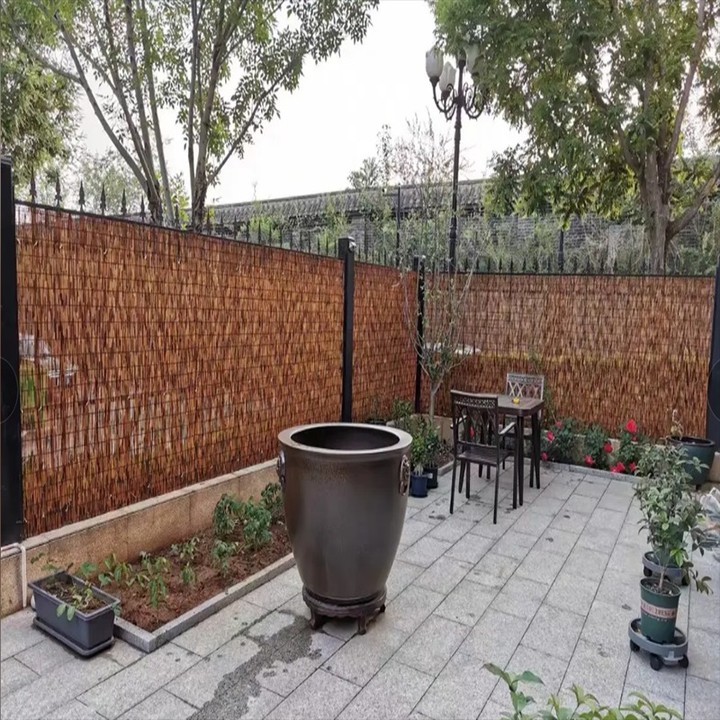
Photo Credit: @boyifei202108
Natural reed rolls provide an eco-friendly, rustic solution that adds texture and natural charm to your fence line.
Key Features:
- Environmentally friendly natural material
- Creates a tropical or beach-inspired aesthetic
- Provides good privacy while allowing some air circulation
- Typically available in heights from 6″ to 72″
Durability Note: While attractive, reed materials typically have a shorter lifespan (3-5 years) than synthetic alternatives and may require replacement sooner in harsh weather conditions.
8. Bamboo Fence Toppers

Photo Credit: @minigardenmakeovers
Similar to reed rolls but more durable, bamboo offers excellent privacy with an exotic, natural appearance.
Benefits:
- Stronger and more durable than reed
- Creates a distinctive Asian-inspired or tropical look
- Environmental sustainability (bamboo is a rapidly renewable resource)
- Available in various heights and bamboo diameters
Installation Tip: Secure bamboo rolls to a wooden frame using UV-resistant zip ties or galvanized wire for best results. Pre-drilling holes in bamboo for mounting hardware helps prevent splitting.
Metal and Industrial-Style Fence Toppers: Modern Edge
For contemporary homes or industrial-inspired landscapes, metal fence toppers create a bold, modern statement.
9. Corrugated Metal Fence Toppers

Photo Credit: @outdecousa
Corrugated metal adds an unexpected, contemporary element to traditional fencing materials like wood or concrete.
Advantages:
- Creates a striking modern or industrial aesthetic
- Offers complete privacy
- Highly durable and weather-resistant
- Lightweight compared to solid wood panels
- Can be painted in custom colors to match your home
Material Options:
- Galvanized steel (silver appearance)
- Cor-Ten steel (develops a natural rust patina)
- Painted metal panels (available in various colors)
- Aluminum (lighter weight, won’t rust)
Installation Tips:
- Frame the metal panels with wood for a finished look
- Use rust-resistant screws and hardware
- Apply silicone sealant at joints to prevent water infiltration
- Consider a slight slope for water runoff
10. Decorative Metal Panel Fence Toppers
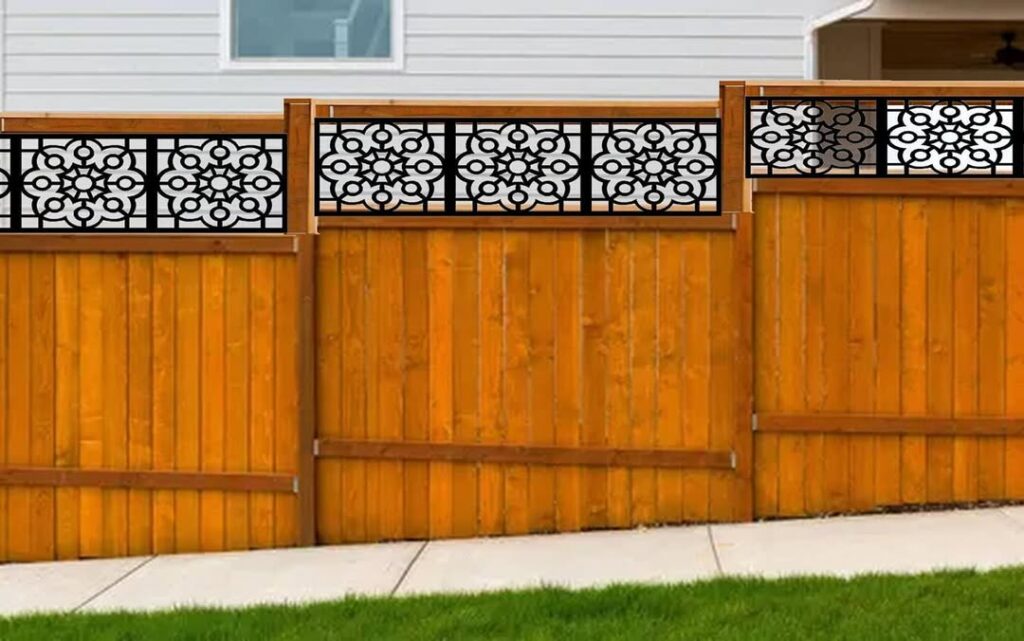
Photo Credit: @metal_decorative_panels
Laser-cut or CNC metal panels offer artistic designs that create visual interest while providing partial privacy.
Popular Design Options:
- Geometric patterns
- Nature-inspired motifs (trees, branches, leaves)
- Abstract designs
- Custom patterns and logos
Material Considerations:
- Powder-coated steel offers excellent durability and color options
- Aluminum provides lighter weight but may be less sturdy
- Cor-Ten steel develops an attractive rust patina for rustic designs
Privacy Note: These panels typically provide moderate privacy, as the decorative cutouts create openings. Select designs with smaller, more numerous cutouts if privacy is a primary concern.
Extending Your Existing Fence: Structural Solutions
Sometimes the best approach is to extend your current fence structure upward rather than adding a completely different topper style.
11. Post Extension Systems
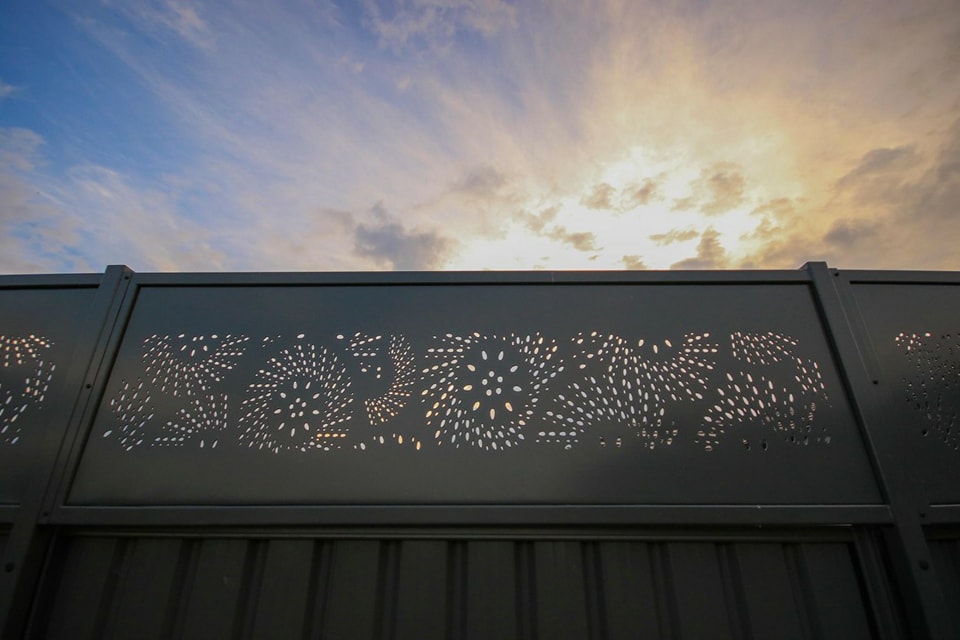
Photo Credit: @ironbarkmetaldesign_
Purpose-designed post extenders allow you to increase fence height while maintaining structural integrity.
Benefits:
- Creates a solid foundation for various topper styles
- Allows for significant height increases (typically 1-3 feet)
- Can be adapted to work with most fence types
- Provides options for adding horizontal supports
Installation Methods:
- Commercial post extenders that bolt or screw to existing posts
- Half-lap joints for wooden posts (connecting new wood to existing)
- Metal brackets and plates for securing extensions
- Sleeve systems that fit over existing posts
Structural Consideration: When extending posts, ensure the foundation is adequate to support the additional height, especially in areas with high winds.
12. Horizontal Board Extension
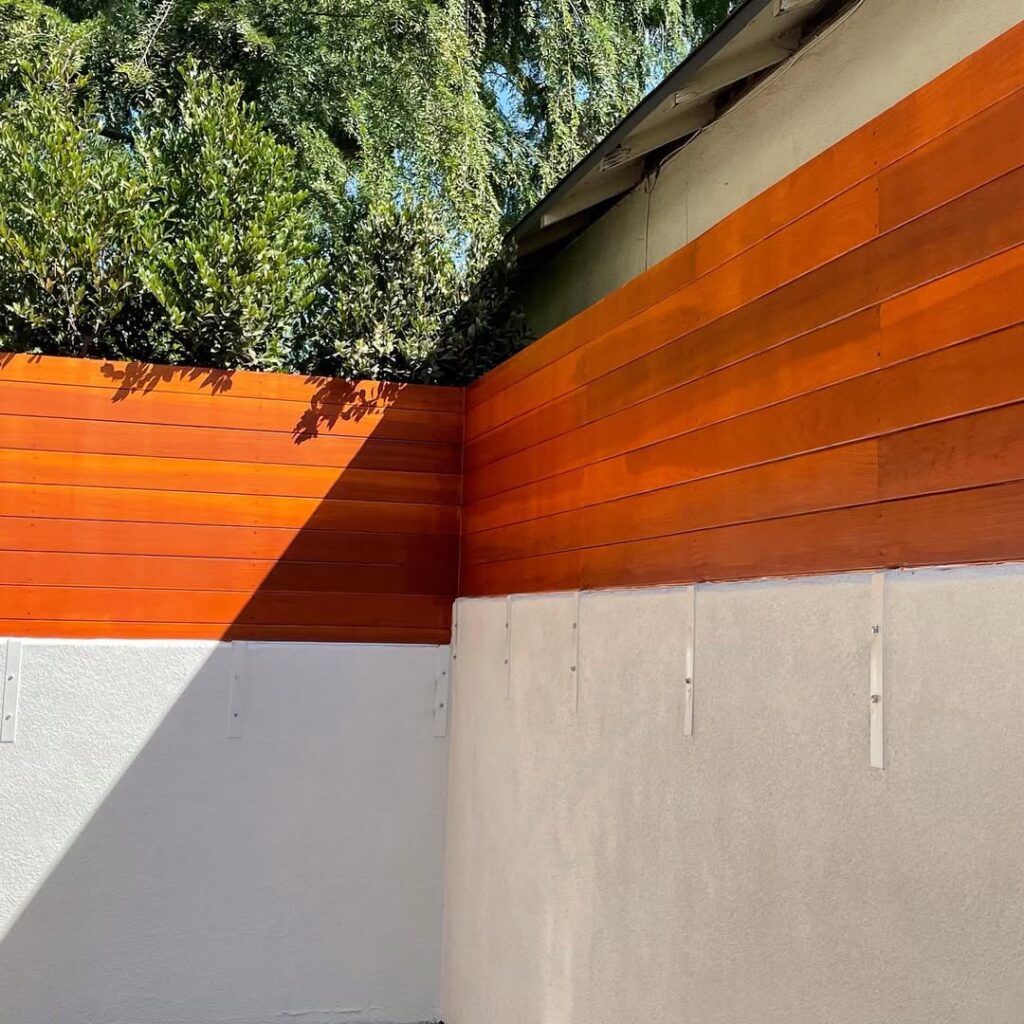
Photo Credit: @rmbuilderscorp
For wooden fences, adding matching horizontal boards above the existing fence creates a cohesive, seamless height increase.
Design Options:
- Match the existing fence pattern for a continuous look
- Create a contrasting pattern (e.g., vertical boards below, horizontal above)
- Use alternating board spacing for a semi-private effect
- Incorporate wider spacing for a more open feel
Material Tip: For best results, use the same wood species and treatment as your existing fence, or choose a complementary wood that provides pleasing contrast.
13. Trellis Fence Toppers

Photo Credit: @stevebeamhandyman
Combining both form and function, trellis toppers create an elegant framework for climbing plants while adding height to your fence.
Benefits:
- Creates a living privacy screen when planted with climbing vines
- Offers architectural interest even before plants mature
- Available in various designs from simple to ornate
- Can be seasonal or year-round depending on plant selection
Plant Recommendations:
- Evergreen options: Clematis armandii, Star Jasmine, Carolina Jessamine
- Flowering varieties: Climbing Roses, Honeysuckle, Morning Glory
- Fast-growing choices: Ivy, Virginia Creeper, Hops
Installation Note: Ensure adequate soil access at the fence base for planting, and consider installing drip irrigation for easy plant maintenance.
14. Decorative Caps and Finials

Photo Credit: @kingmetals
For those seeking subtle enhancement rather than significant height, decorative post caps and finials add refined detail to fence posts.
Styles Available:
- Solar-powered lighting caps for nighttime illumination
- Copper or metal caps that develop attractive patinas
- Gothic or Victorian-inspired finials for period homes
- Contemporary geometric designs for modern properties
Enhancement Tip: Combine post caps with string lights or garland for seasonal decoration options that highlight your fence line.
15. Mixed Material Fence Toppers
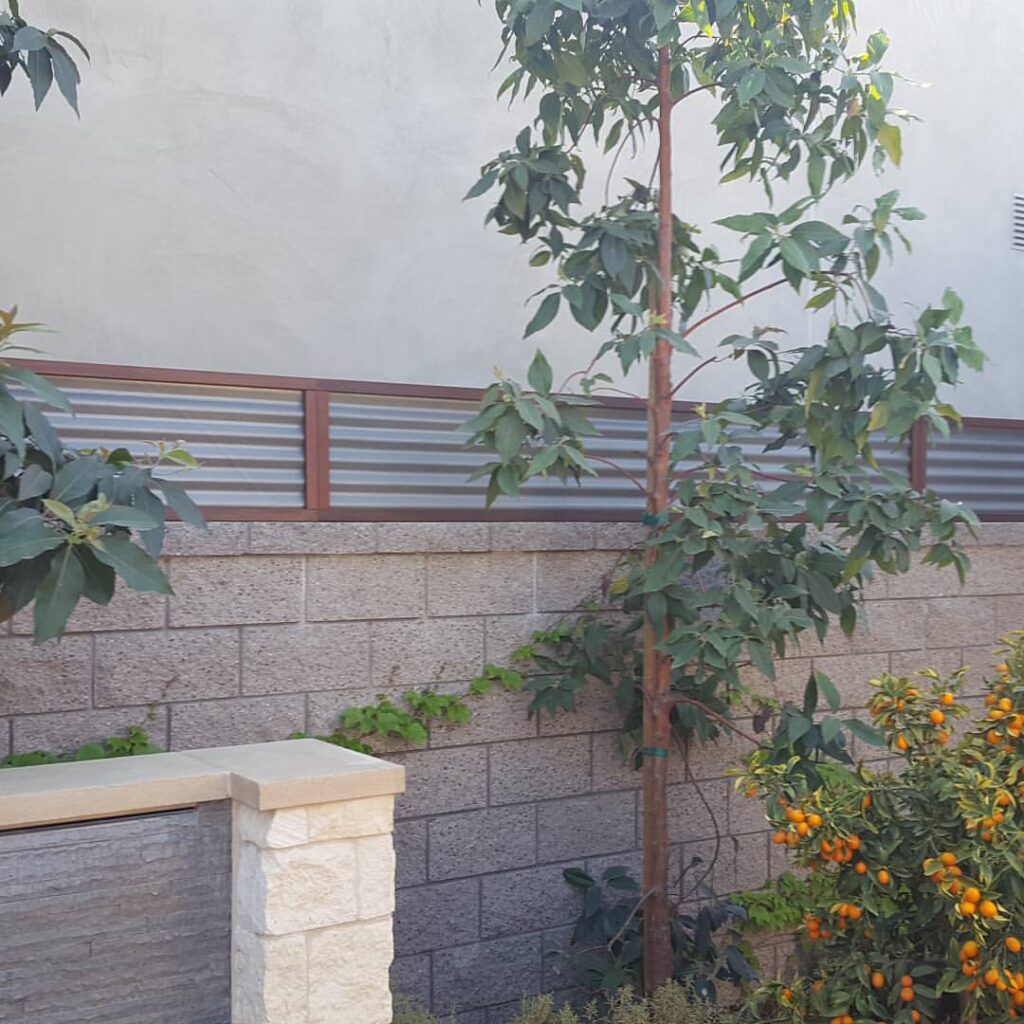
Photo Credit: @hubbydolist
The most creative approach combines multiple materials for a truly custom fence extension that reflects your personal style.
Popular Combinations:
- Wood framing with metal inserts
- Lattice with integrated planters
- Solid panels with decorative cutouts
- Composite frames with fabric or reed inserts
Design Consideration: When mixing materials, maintain a cohesive color palette to ensure the finished project looks intentional rather than haphazard.
Installation and Maintenance Tips
Professional vs. DIY Installation
Consider these factors when deciding whether to install your fence topper yourself:
- Weight and structural requirements of your chosen topper
- Your comfort level with necessary tools and techniques
- Local building code compliance requirements
- Time availability and budget constraints
For heavy toppers or those requiring significant structural modification, professional installation may be worth the investment.
Seasonal Maintenance
To maximize the lifespan of your fence topper:
- Inspect annually for loose fasteners or weather damage
- Clean according to material recommendations (gentle washing for most materials)
- Apply appropriate sealants or protective coatings to wooden elements
- Trim back any plant growth that could damage the structure
- Check fabric elements for UV damage and replace as needed
Weather Considerations
If you live in an area with extreme weather:
- Hurricane-prone regions: Select wind-permeable designs or removable options
- Heavy snow areas: Choose durable materials that can bear snow weight
- Hot, sunny climates: Select UV-resistant materials to prevent fading and deterioration
- Wet environments: Use rust-resistant hardware and rot-resistant materials
Conclusion
Fence toppers offer an affordable, customizable way to transform your existing fence into a feature that enhances both the function and beauty of your outdoor space. Whether your priority is privacy, security, or style, there’s a topper solution that can meet your needs while complementing your home’s architecture and landscape design.
Before beginning your fence topper project, always check local regulations, ensure your existing fence can support your chosen topper, and select materials appropriate for your climate. With proper planning and installation, your enhanced fence will provide years of improved functionality and aesthetic appeal for your home.
Remember that the best fence topper is one that balances your practical needs with your personal style—creating a boundary that’s not just a property divider but a thoughtful extension of your home’s design.