

Car camping is a popular choice for outdoor enthusiasts who want to experience nature without the hassle of backpacking. However, organizing camping gear inside your car can be a daunting task, especially when you’re trying to fit everything from your cooking gear to sleeping essentials into a small space. Proper organization not only makes packing easier but also ensures you can access your equipment when you need it most—whether it’s your tent in the rain or a hot meal in the evening.
In this guide, I’ll dive deep into car camping organization, exploring practical tips and strategies to optimize your space, pack efficiently, and keep your gear in top condition for every trip. Whether you’re a seasoned camper or just starting out, this comprehensive guide will help you master the art of packing and organizing for your next adventure.
Understanding Car Camping Gear Categories
When it comes to car camping, organizing your gear into categories is essential for maximizing space and ensuring everything has a designated spot. While the exact items you pack may vary depending on your needs, there are four main categories of camping gear that every car camper should consider:
- Kitchen Gear
- Food
- Shelter and Sleeping Gear
- Personal Items
Each of these categories comes with its own organization challenges, and understanding how to manage them is key to staying organized. Let’s take a closer look at each category and explore how to keep your gear organized and easy to access.
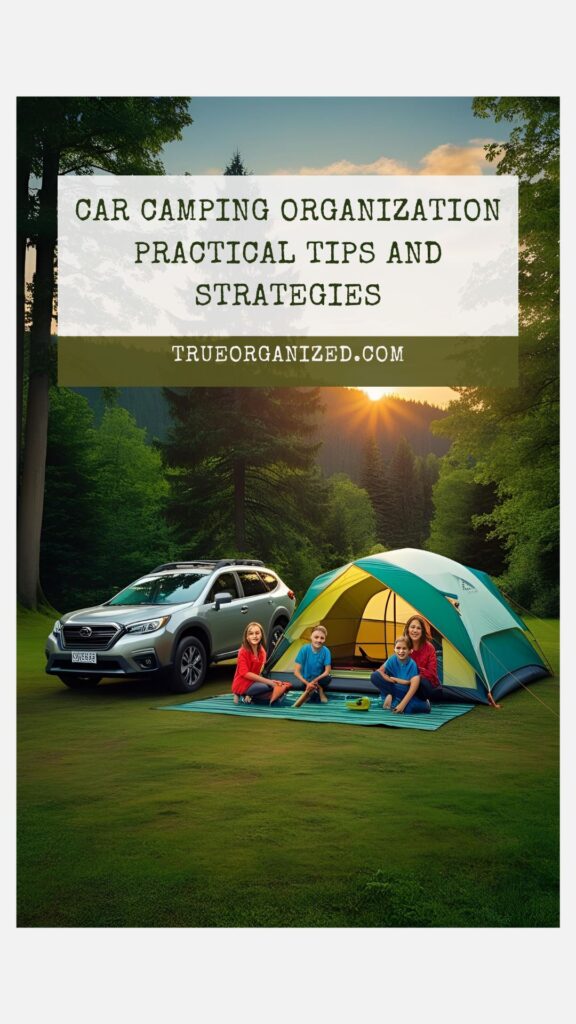
1. Kitchen Gear: Pack Smart for Cooking Essentials
When you’re out camping, having the right cooking gear organized and easily accessible is essential. There’s nothing more frustrating than rummaging through bags and boxes to find a crucial item like a stove or frying pan. Here’s how to keep your kitchen gear organized:
Use Stackable, Clear Storage Bins


Invest in clear, stackable bins for your kitchen gear. These bins allow you to see what’s inside and make it easier to pack and unpack. Be sure to use sturdy, durable bins that can hold heavier items like pots, pans, and cooking utensils without breaking.
Organize by Function:
Within the kitchen bin, organize your gear by function to streamline your setup. For example, group all cooking items like pots, pans, and spatulas together. Then, create smaller sections for utensils (forks, knives, spoons), plates, cups, and cleaning supplies. You can use small containers or bags to keep these smaller items in check.
Pack Essential Kitchen Tools
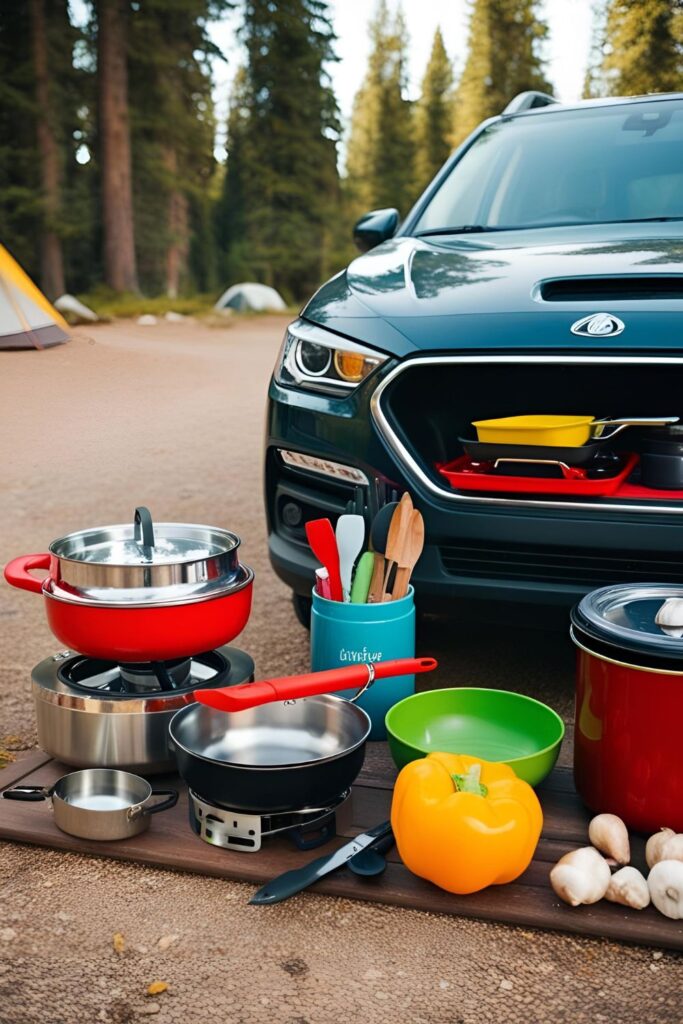
At a minimum, your kitchen gear should include:
- A portable stove or campfire grate
- A fuel canister or propane tank
- A cast iron skillet or frying pan
- A pot for boiling water or cooking soups
- Camping utensils (knives, spoons, spatulas)
- Plates, cups, and cutlery
- A camp kettle for boiling water
- Cleaning supplies (dish soap, sponge, cloth)
Store Items That Don’t Need Immediate Access at the Bottom:
When packing your kitchen bins, consider packing the heaviest items at the bottom. This ensures stability while driving and allows lighter, more frequently used items to be on top for easy access.
Bonus Tip: Label Your Bins
Clearly label each bin with what’s inside (e.g., “Kitchen Gear” or “Cooking Essentials”) using a permanent marker or a label maker. This simple step ensures that you never have to waste time searching for items during your trip.
2. Food: Keep It Fresh and Protected
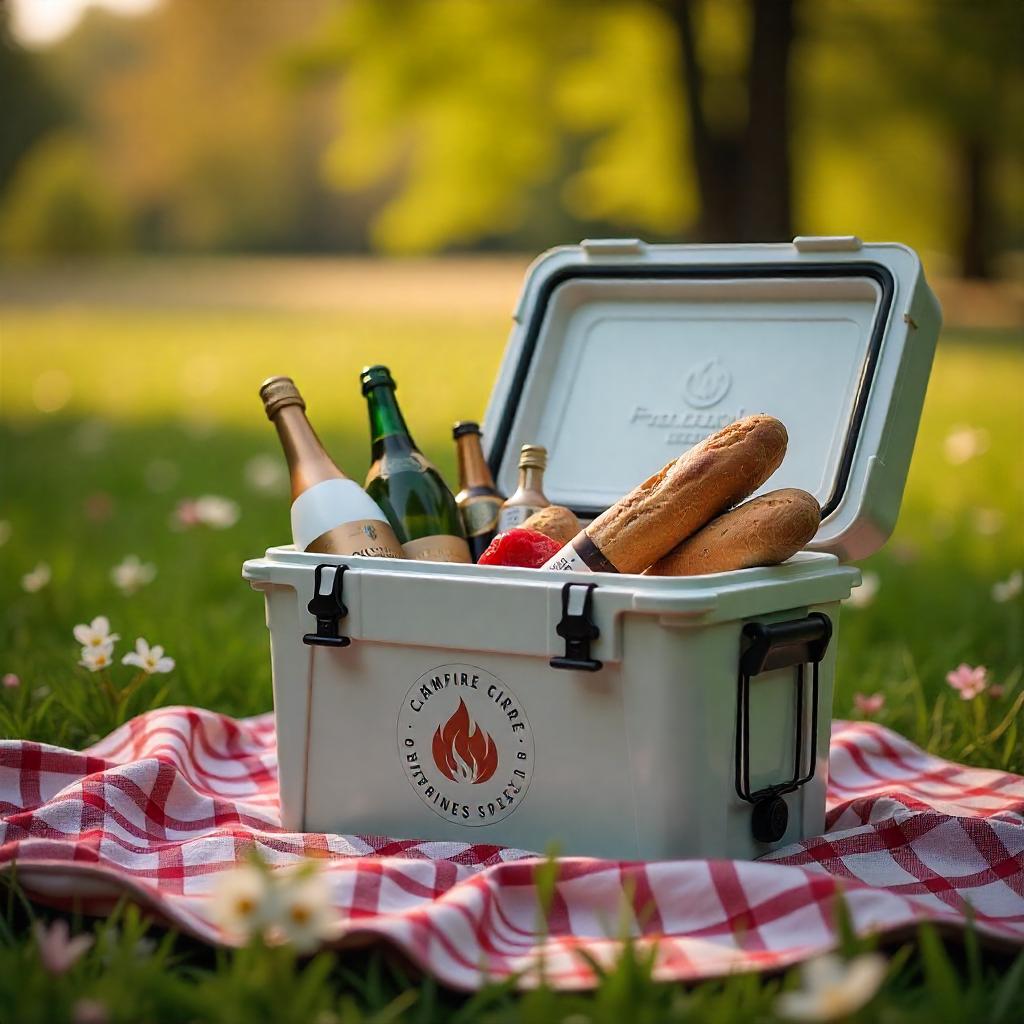
Photo Credit: @camp.firecircle1
Food storage is crucial when you’re car camping, especially when you’re dealing with perishables and pantry staples. Organizing your food properly helps reduce waste, keeps your ingredients fresh, and prevents unwanted visitors like rodents or insects from getting into your supplies.
Use a Dedicated Food Bin
Similar to the kitchen gear bin, have a separate bin specifically for food. This bin should contain non-perishable food items such as dried pasta, rice, and canned goods. Pack snacks like trail mix, granola bars, and crackers in smaller containers to keep them easily accessible. Be sure to include a backup meal kit for emergencies, such as:
- Instant noodles
- Pre-packaged freeze-dried meals
- Canned chili or stew
- Instant oatmeal packets
Cooler Organization for Perishables:
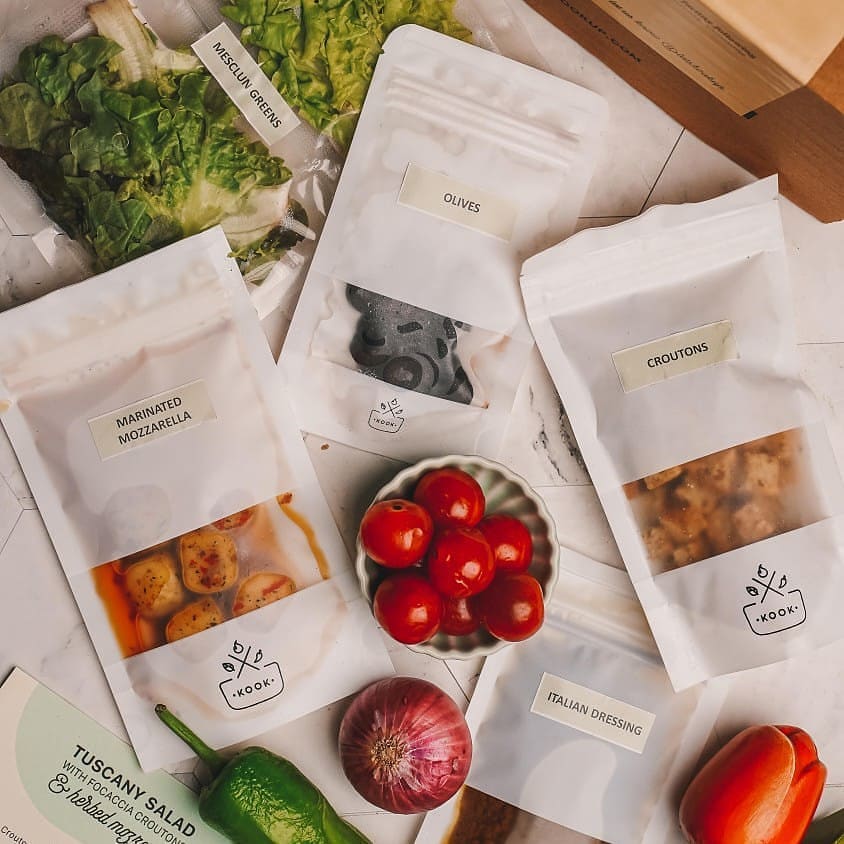
Photo Credit: @duropacklimited
When it comes to perishable food, a well-organized cooler is essential. Invest in a high-quality cooler with excellent insulation to keep your items cold for longer. Use separate bags or containers for different food types (e.g., dairy, meats, and fruits) to prevent cross-contamination. Consider using a small, insulated bag within the cooler for items that need to stay cold and dry.

Keep Food Safe from Critters
While your food may be stored in a locked car, animals like raccoons, mice, and squirrels are often adept at finding ways to get into your food. Using tightly sealed bins with locking lids is a great way to prevent critters from making a meal out of your supplies. However, bear in mind that these bins are not bear-proof, so if you’re camping in bear country, be sure to store food in bear-safe containers or hang it in a tree away from your tent.
Keep Condiments and Spices Organized
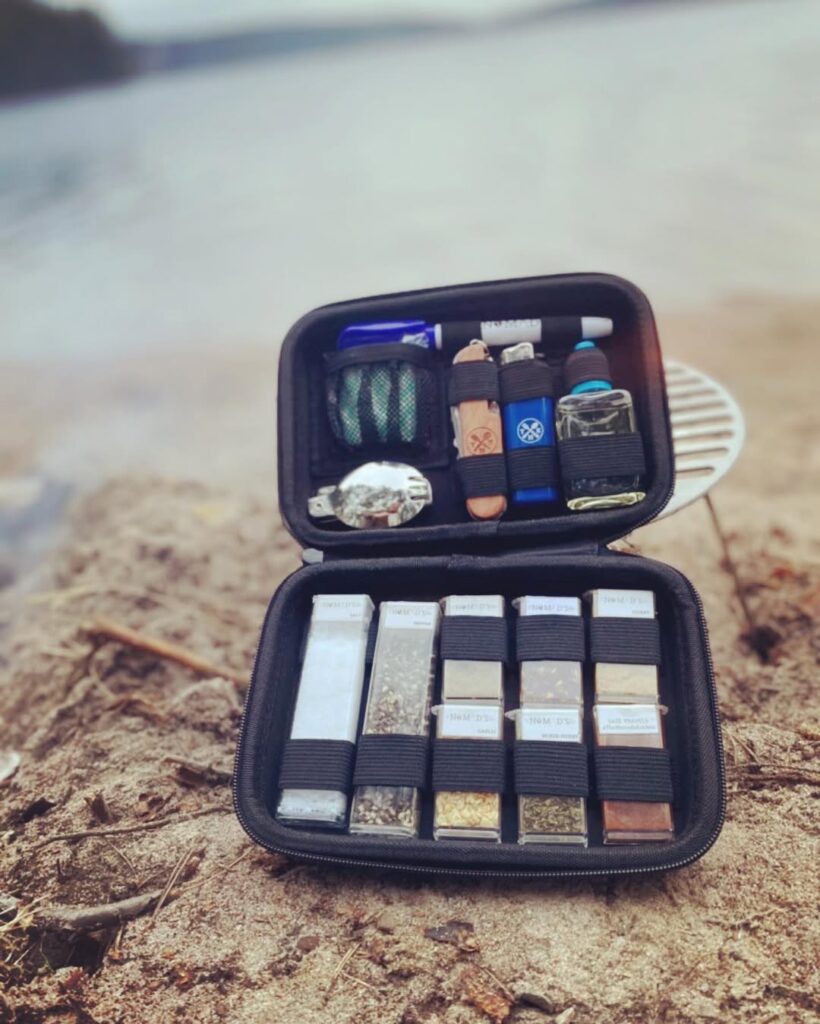
Photo Credit: @thenomadskitchens and ukbushcraft
Rather than packing full-size bottles of condiments, transfer small portions into leak-proof travel containers. You can pack spices in small, stackable jars or pill organizers, ensuring you don’t waste space with bulky bottles. Some popular condiments and spices to bring include:
- Salt and pepper
- Hot sauce or BBQ sauce
- Olive oil or cooking spray
- Maple syrup or honey
- Garlic powder and chili flakes
3. Shelter and Sleeping Gear: Stay Warm and Cozy
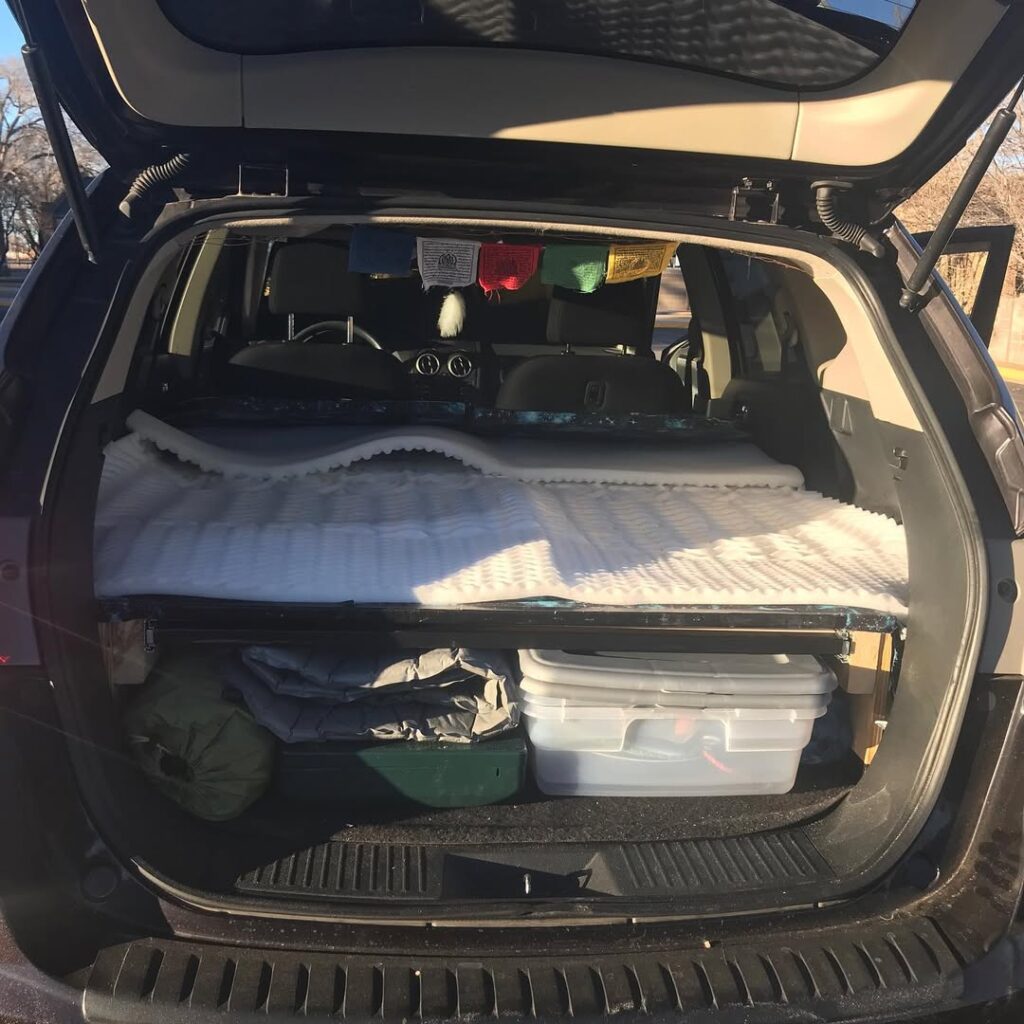
Photo Credit: @camcambot
A good night’s sleep is vital for enjoying your camping trip, so it’s important to keep your shelter and sleeping gear organized. When you’re packing your tent, sleeping bag, and other essentials, consider how you can store these bulky items while maximizing space in your car.
Use Compression Bags for Sleeping Bags and Blankets
Compression bags are a great way to reduce the bulk of sleeping bags, blankets, and pillows. These bags allow you to squeeze out excess air, saving valuable space in your car. Be sure to label each compression bag so you can easily identify your sleeping gear.

Store Shelters in Separate Bags
Tents, tarps, and other shelter gear can take up a lot of space. Use separate storage bags for these items and pack them in a way that allows for easy access when you set up camp. Consider packing the tent poles and stakes in a small pouch to keep them organized.
Pack Sleeping Pads Separately
If you use a sleeping pad for extra comfort, store it separately from your sleeping bag to avoid unnecessary wrinkles or damage. You can roll up your pad tightly and store it in a car organizer or bungee it to your vehicle’s roof rack if needed.

4. Personal Items: Clothing, Toiletries, and Entertainment
When car camping, you’ll need to bring along personal items like clothes, toiletries, and entertainment. Keeping these items organized is key to maintaining a comfortable camping experience.
Use Duffel Bags or Packing Cubes for Clothing:
Packing cubes are perfect for organizing clothing, as they allow you to separate different types of clothing and minimize wrinkles. If you prefer to use a duffel bag, try packing it in sections—one for shirts, another for pants, and a third for jackets. Always keep a few extra layers of clothing in easy-to-reach places, as the weather can change unexpectedly.

Create a Toiletry Kit:
Pack all of your toiletries in a small, waterproof bag or container. Items to include:
- Toothbrush and toothpaste
- Soap or body wash
- Shampoo and conditioner
- Deodorant
- Towel
- First-aid kit (bandages, antiseptic wipes, pain relievers)
Keep Entertainment and Comfort Items Handy:
If you’re bringing books, playing cards, or camping games, keep them in a separate bag or container to avoid losing them among your camping gear. You can also pack a portable charger for your phone or a headlamp for nighttime reading.
5. Efficient Packing and Space Optimization Techniques
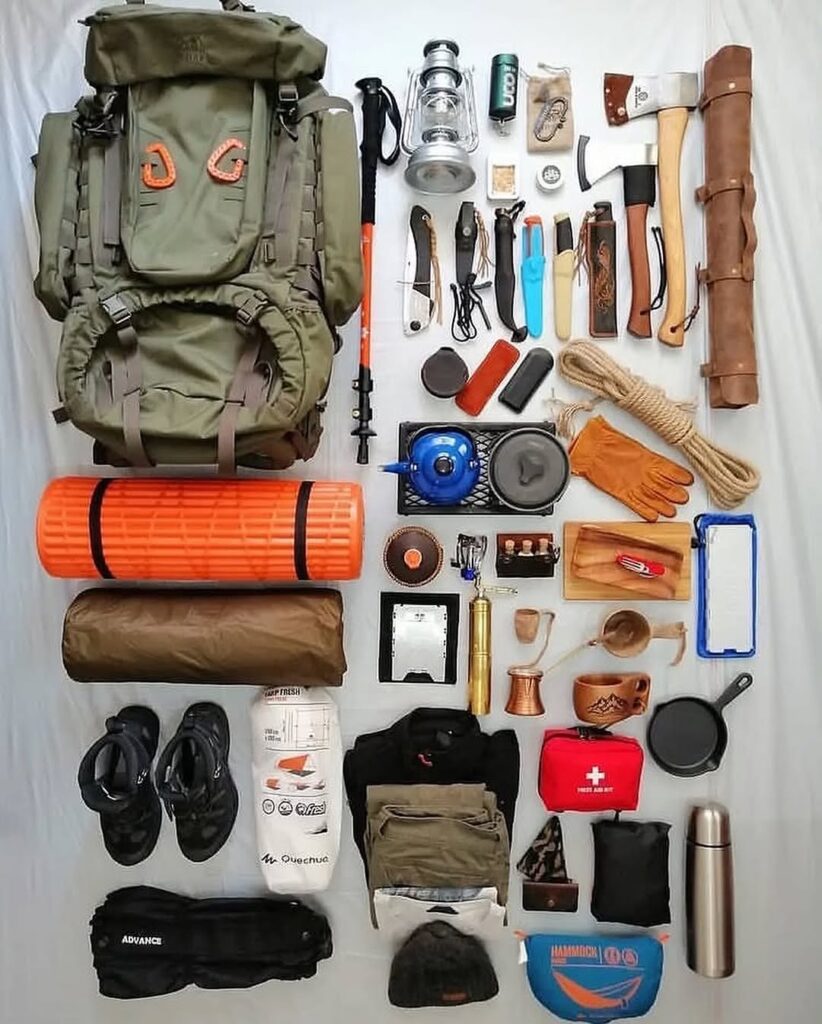
Photo Credit: @campingiv
Now that we’ve covered the essential categories of gear, let’s dive deeper into efficient packing and space optimization. With a little strategy, you can make the most out of your car’s storage space and keep everything accessible throughout your trip. These tips will ensure you maximize space while keeping your camping gear well-organized.
A. Utilize Vertical Space
One of the biggest challenges of car camping is limited space. However, by thinking vertically, you can create additional storage without compromising your vehicle’s driving space.
Use Roof Racks and Carriers
If your car is equipped with a roof rack or you can add one, consider using a roof-top carrier for bulkier items like tents, sleeping pads, or a cooler. This will free up space inside the vehicle and keep your gear protected from the elements. Roof racks also work well for storing firewood, extra water jugs, or bags of clothes.

Use Seat Back Organizers
When traveling with multiple people, it’s easy for smaller personal items to get lost or displaced. Seat back organizers are a perfect solution for storing things like books, snacks, maps, and phone chargers. These organizers allow for easy access to these items and help prevent the chaos of loose gear floating around the car.

Hang Items from the Ceiling or Walls:
In smaller cars or SUVs, hanging organizers or mesh pockets can make the most of your overhead space. Use these areas to store light, easy-to-reach items like hats, rain jackets, or even small tools.
B. Smart Storage Solutions
Having the right storage containers is essential to keeping your camping gear organized. You’ll want to invest in a few key items to help keep your gear intact and easily accessible.
Waterproof Storage Bins
Waterproof bins will protect your gear from rain and moisture. They’re ideal for storing clothing, food, and even sensitive electronics like flashlights or batteries. When it rains, you won’t have to worry about your gear getting wet. Choose bins with snap-on lids for a secure seal.

Use Zippered Bags for Small Items
Zippered bags are great for organizing small items like first-aid kits, headlamps, toiletries, and camp gadgets. Clear bags are particularly useful because you can see the contents without having to open them.
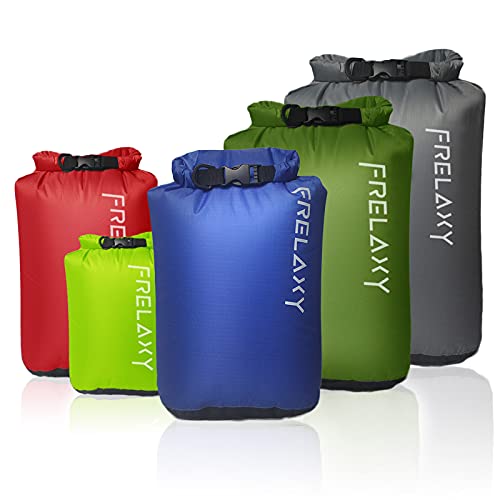
Compression Sacks for Sleeping Bags and Bedding
Compression sacks are another space-saving solution. These are particularly useful for bulky items like sleeping bags, pillows, and blankets. By removing excess air from the sacks, you reduce the size of these items, making them easier to store in small spaces like the trunk or footwell of your car.
Drawer Systems for Larger Vehicles
If you’re driving an SUV, van, or larger vehicle, a drawer system can help keep everything organized. These drawer systems are built specifically to fit in the back of your vehicle and provide easy access to your gear. They allow you to store kitchen tools, sleeping bags, and even clothes in individual drawers, so you’re never left searching for an item.
C. Multi-Use Gear for Efficient Packing
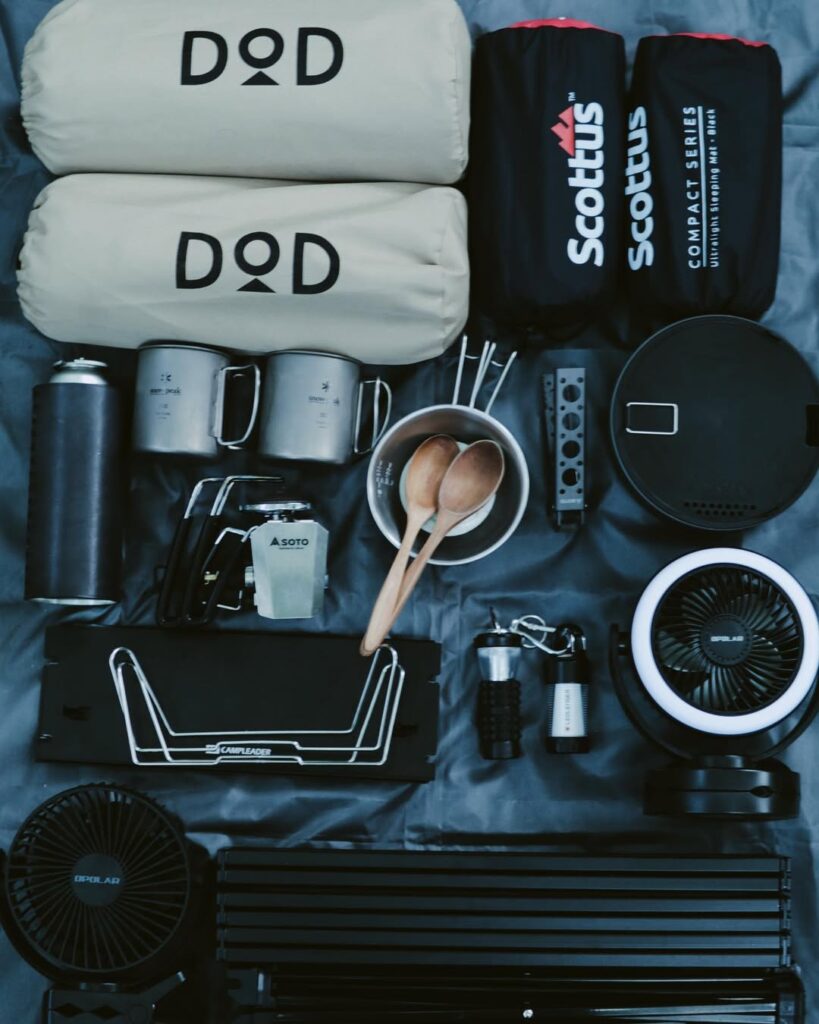
Photo Credit: @pilgrim_in_time
Packing only the essentials can drastically cut down on the clutter in your car. One of the best ways to save space is by packing gear that serves multiple purposes. Here are some ideas for multi-use gear:
Collapsible Containers
Collapsible containers are an excellent solution for car camping. These versatile tools can be used for everything from food storage to washing dishes. When not in use, they collapse flat, saving space. Popular collapsible gear includes bowls, cups, water jugs, and even lanterns.

Multi-Use Camp Tools
A multi-tool or Swiss army knife is a must-have for any camping trip. These compact tools usually contain everything from screwdrivers to knives, scissors, and bottle openers. Instead of packing several separate tools, one multi-tool can handle multiple tasks.

Convertible Furniture
For those camping in larger vehicles like RVs or minivans, convertible furniture can save a lot of space. Consider a bench seat that doubles as a storage compartment or a table that folds down when not in use. These types of furniture maximize the available space and create a more flexible environment inside your car.
6. Stay Organized During Your Trip
Photo Credit: @smartwool_europe
Packing is just one part of the equation. Maintaining organization while you’re camping can be challenging, especially when you’re setting up camp in a hurry. Here are some tips to help you stay organized throughout the trip:
Keep a Daily Packing Checklist
Create a packing checklist that you can refer to throughout your trip. It’s easy to forget things when you’re on the go, so having a checklist will ensure you don’t leave behind any essentials. You can even create a reusable checklist that you can print before each trip, so you always remember what to pack.
Set Up a Dedicated “Camp Zone”
When you arrive at your campsite, set up a dedicated “camp zone” for your gear. This might include a tarp where you can lay out your cooking supplies or a designated area for personal items like jackets, backpacks, or shoes. By keeping everything in its place, you avoid having to search for things when you need them.
Organize Gear as You Unpack
As soon as you set up camp, take the time to organize your gear. Store cooking supplies near your camp stove, your sleeping gear near your tent, and keep personal items in an easy-to-reach spot. If you pack with intention, setting up camp will be a breeze, and you’ll be able to enjoy your time in nature without stress.
Related Read: Camping Organization Hacks: Pack Smarter, Camp Easier
Conclusion
Car camping doesn’t have to be chaotic or stressful. By organizing your gear, maximizing your space, and choosing the right storage solutions, you can ensure that your camping trip is smooth and enjoyable. From using clear bins for kitchen gear to utilizing vertical space with roof racks, every little organizational tip can make a huge difference.
Before you head out on your next adventure, remember these tips to keep your gear in order and make the most of your car camping experience. The more organized you are, the more you can enjoy the great outdoors without worrying about misplaced gear or wasted time. Happy camping!