
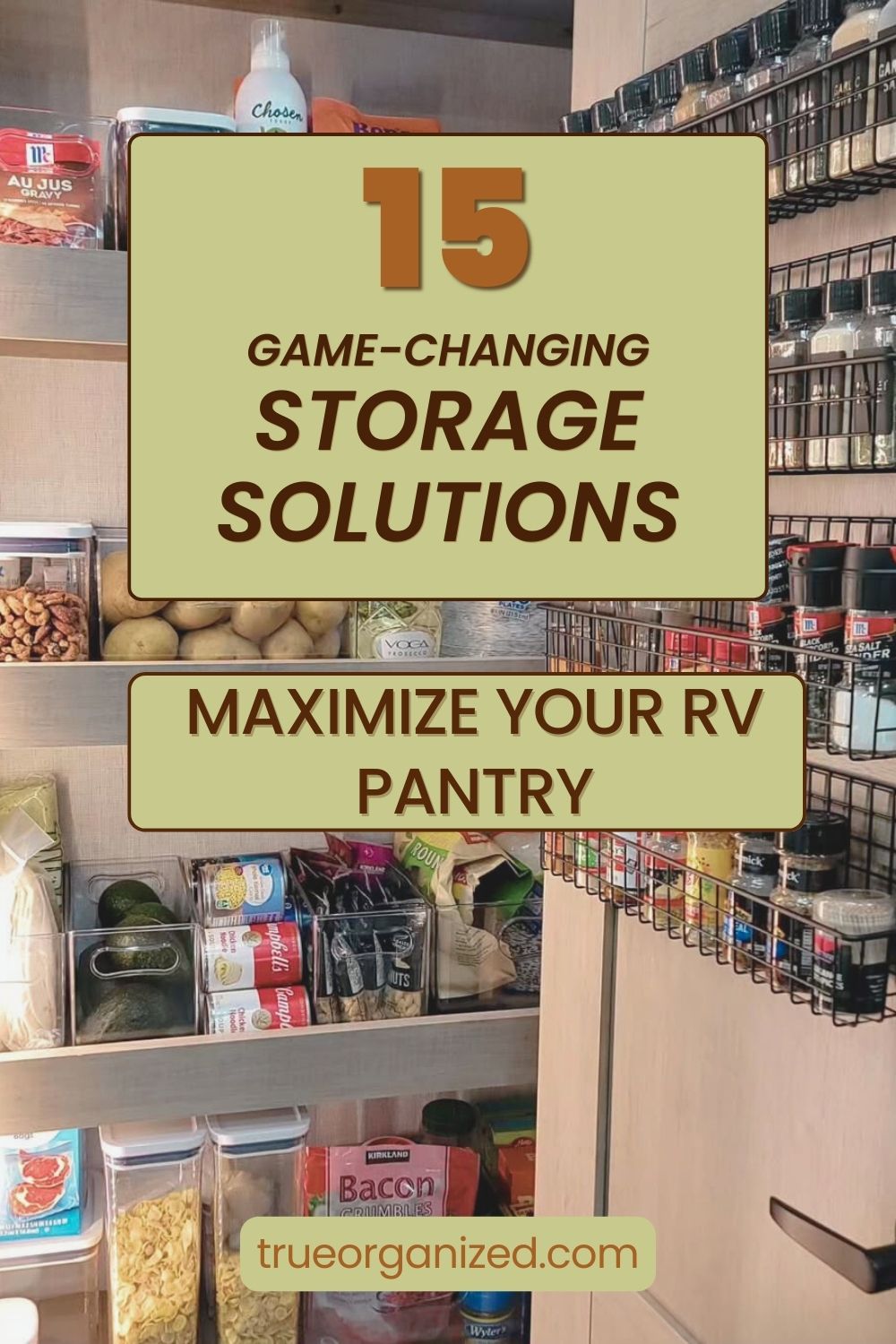
RV adventures offer freedom and exploration, but limited food storage presents a persistent challenge. Efficient food management in these compact spaces requires more than just cramming groceries wherever they fit—it demands strategic thinking and creative solutions.
Whether you’re a weekend warrior or full-time nomad, mastering RV food storage elevates your entire travel experience. It transforms cooking from a frustrating puzzle into an enjoyable part of your journey. With the right approach, your mobile kitchen can become a highlight rather than a hindrance on your adventures.
Contents
Why Effective RV Food Storage Matters
RV food storage isn’t just about saving space—it’s about preserving your travel experience. Proper storage ensures:
- Food safety and quality
- Efficient use of limited space
- Reduced stress during travel
- Cost-effective meal planning
- Enhanced overall travel comfort
While the challenges of RV food storage might seem overwhelming initially, approaching them systematically can transform frustration into satisfaction. The solutions presented below range from simple, immediate fixes to more comprehensive systems that evolve with your travel style. Remember that adopting even a few of these strategies can dramatically improve your RV kitchen functionality. The key is selecting approaches that align with your specific travel patterns, dietary preferences, and the unique configuration of your recreational vehicle.
15 Comprehensive RV Food Storage Solutions
1. Vertical Storage Maximization
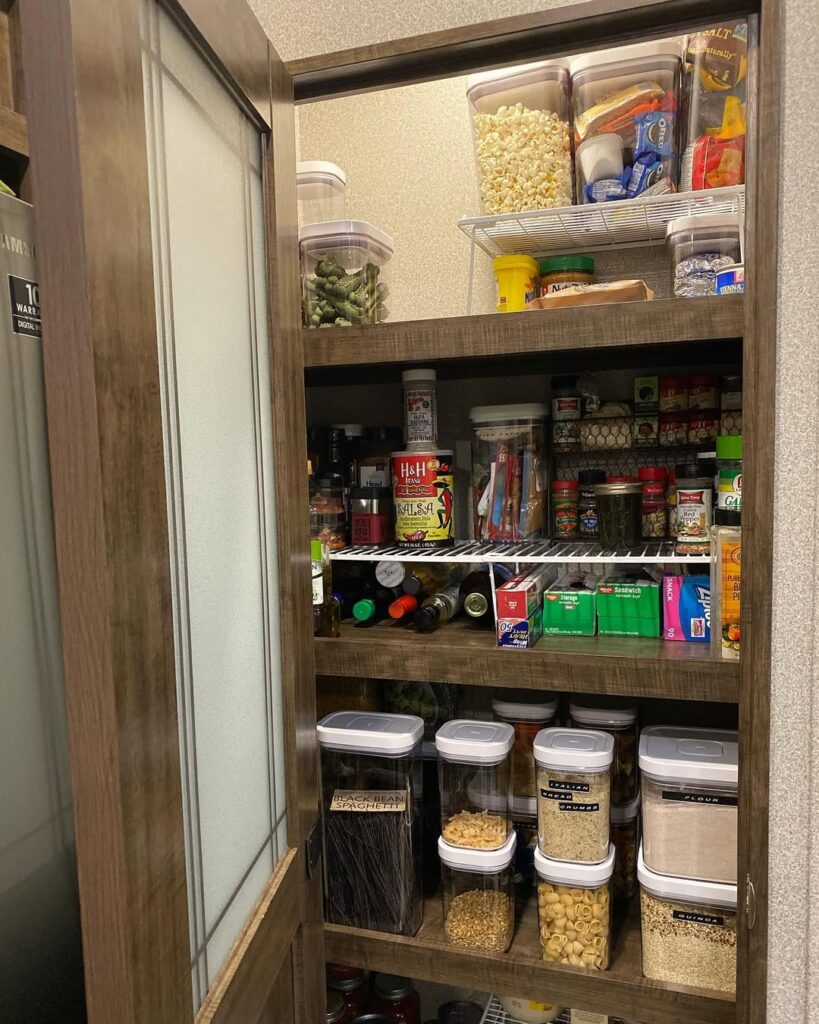
Photo Credit: @5th_wheel_love
Vertical space is often the most underutilized area in RV kitchens. By thinking upward, travelers can dramatically increase their storage capabilities without compromising valuable floor or counter space.
Magnetic Storage Solutions
- Install magnetic strips on walls
- Attach metal spice containers
- Hang lightweight metal utensils
- Create vertical storage without drilling
Hanging Organizers
- Over-door pantry organizers
- Mesh hanging fruit and vegetable nets
- Fabric pocket organizers for dry goods
- Adjustable hanging baskets
The psychology behind vertical storage extends beyond simple space considerations. When items are visible and accessible, meal preparation becomes more enjoyable and less stressful. Many RV travelers report that implementing vertical storage solutions not only saves space but also inspires more creative cooking as ingredients and tools remain visible and top-of-mind. This visibility can reduce food waste as well, as items are less likely to be forgotten in the back of a cabinet or drawer.
Related Read: 35 RV Must Haves for Comfortable and Stress-Free Travel
Recommended RV-Friendly Storage Solution
To make the most of your vertical space, consider adding a Magnetic Spice Rack Set or a Hanging Pantry Organizer—both are compact, lightweight, and specifically designed for small kitchens like those in RVs. These products are perfect for mounting on walls, cabinet doors, or even fridge sides without drilling, helping you keep essentials within easy reach while freeing up precious counter and shelf space.



Whether you’re storing spices, snacks, or utensils, these space-saving tools can transform cluttered areas into efficient, streamlined cooking zones—making every inch of your RV kitchen work harder for you.
2. Compact Container Strategies
Choosing the right containers can revolutionize your RV food storage. The key is to select versatile, space-efficient solutions that protect your food and maximize available space.
Space-Efficient Containers
- Collapsible silicone containers
- Stackable clear plastic boxes
- Vacuum-seal bags for bulk items
- Nesting container sets with tight lids
Container Selection Criteria
- Lightweight materials
- Leak-proof design
- Clear labeling capabilities
- Stackable configurations
- Microwave and freezer safe
Recommended Space-Saving Containers
One smart addition to your RV kitchen is a Collapsible Silicone Food Storage Set—these containers flatten down when not in use, saving serious space in drawers and cabinets. Another RV favorite is a Stackable Airtight Food Storage Set. These are perfect for dry goods, snacks, and even leftovers, with clear sides for quick identification and a tight seal to keep food fresh during travel.


These container options tick all the boxes: lightweight, leak-proof, stackable, and microwave/freezer safe. Whether you’re storing cereal, pasta, or prepped meals, upgrading your container game can make your RV kitchen feel bigger, cleaner, and way more efficient.
3. Innovative Cabinet Organization
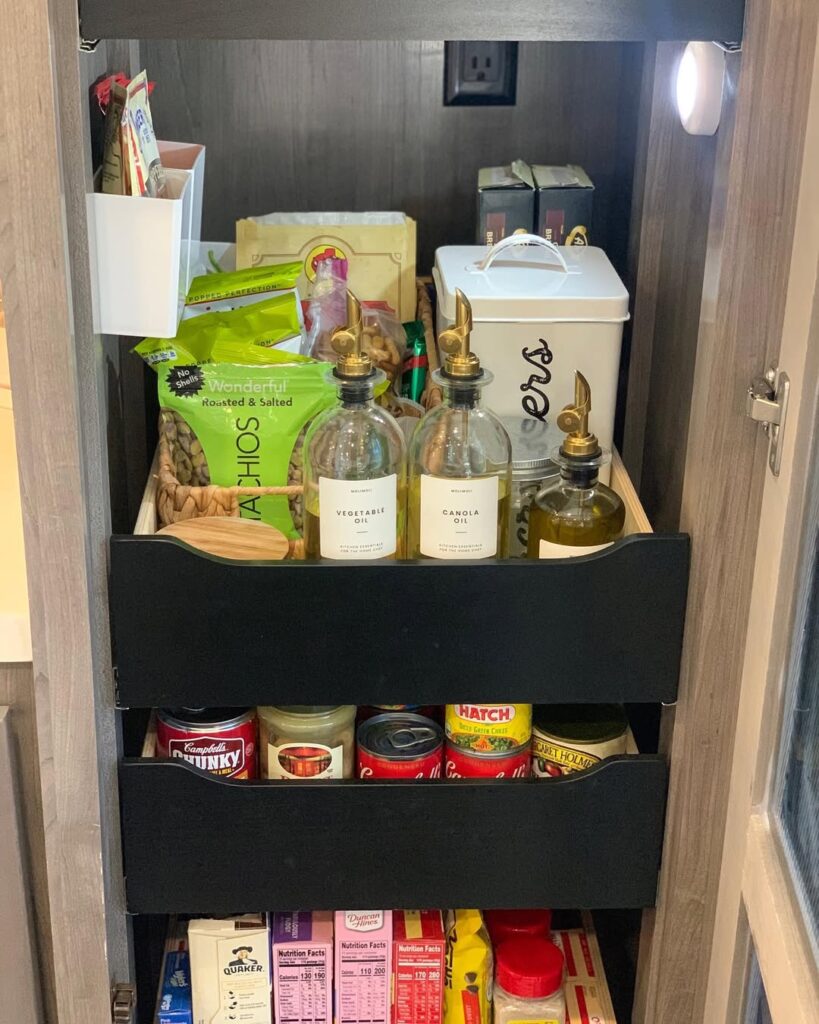
Photo Credit: @happy_rvers
RV cabinets are notorious for becoming chaotic storage zones. With the right organizational strategies, you can transform these spaces into efficient, easily accessible food storage areas.
Cabinet Storage Hacks
- Pull-out drawer organizers
- Tension rod dividers
- Stackable shelf risers
- Lazy Susan turntables for corner spaces
- Adhesive hooks for hanging utensils
4. Refrigerator and Cooler Optimization
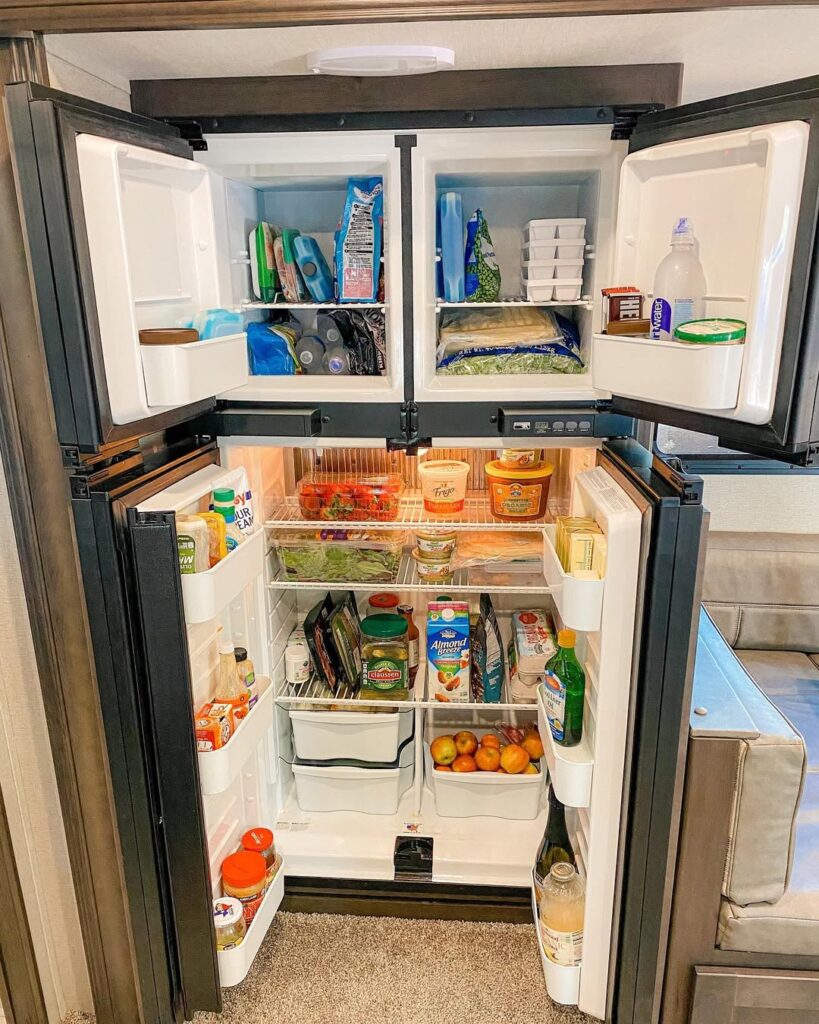
Photo Credit: @ateamfamilyadventures
Refrigerator space in RVs is precious and requires a strategic approach to maximize efficiency and food preservation.
Refrigerator Management
- Use refrigerator binning system
- Categorize foods by type
- Invest in stackable clear containers
- Use egg carrier containers
- Implement first-in-first-out rotation method
Cooler Efficiency
- Portable electric coolers
- Soft-sided insulated bags
- Freeze water bottles as ice packs
- Use compact cooler dividers
5. Dry Goods and Pantry Management
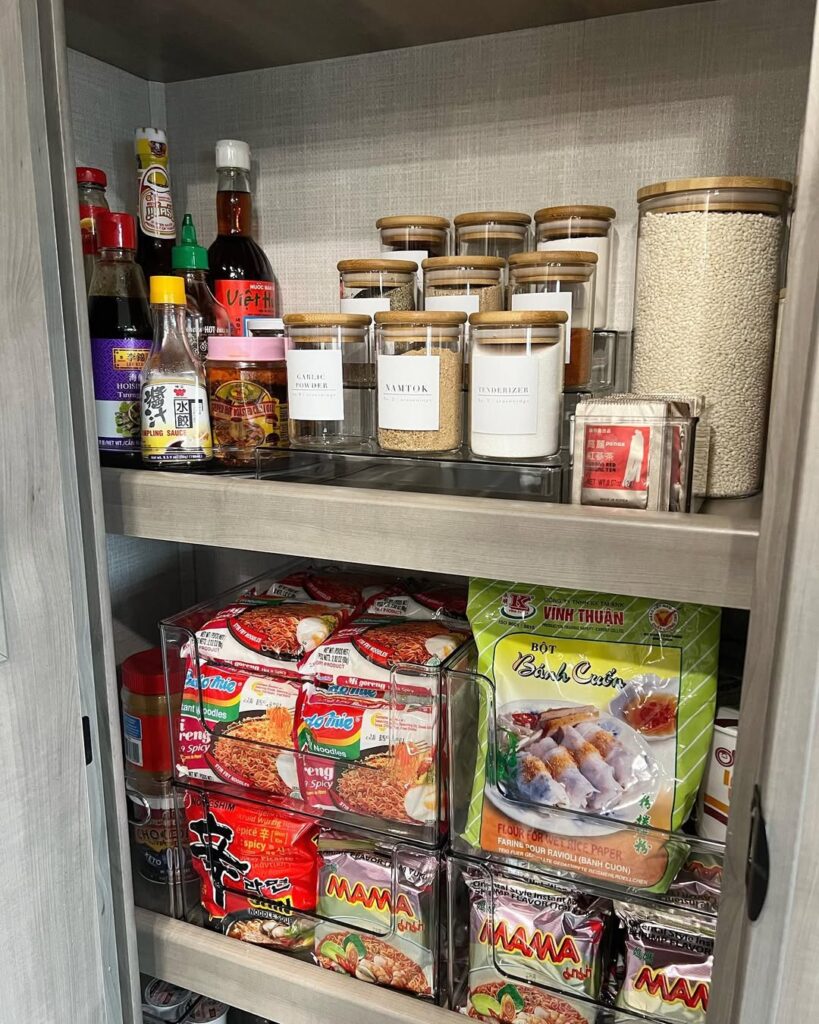
Photo Credit: @lindayang07
Effective dry goods storage is crucial for maintaining food quality and maximizing limited pantry space in your RV.
Dry Good Storage Techniques
- Airtight glass jars for grains
- Vacuum-sealed pasta storage
- Compact cereal containers
- Stackable bulk food dispensers
- Moisture-absorbing packets
Pantry Organization
- Color-coded storage bins
- Clear labeling system
- Inventory tracking apps
- Modular shelving units
- Compression bags for bulky items
The significance of properly stored dry goods cannot be overstated for RV travelers. These staples form the backbone of efficient meal planning, allowing for nutritious meals regardless of grocery store proximity. Many experienced RVers develop a “pantry mindset,” where carefully selected shelf-stable items can be combined into dozens of satisfying meals. This approach provides both security and flexibility—knowing you have reliable food sources while maintaining the spontaneity that makes RV travel so appealing.
6. Weight and Space Optimization
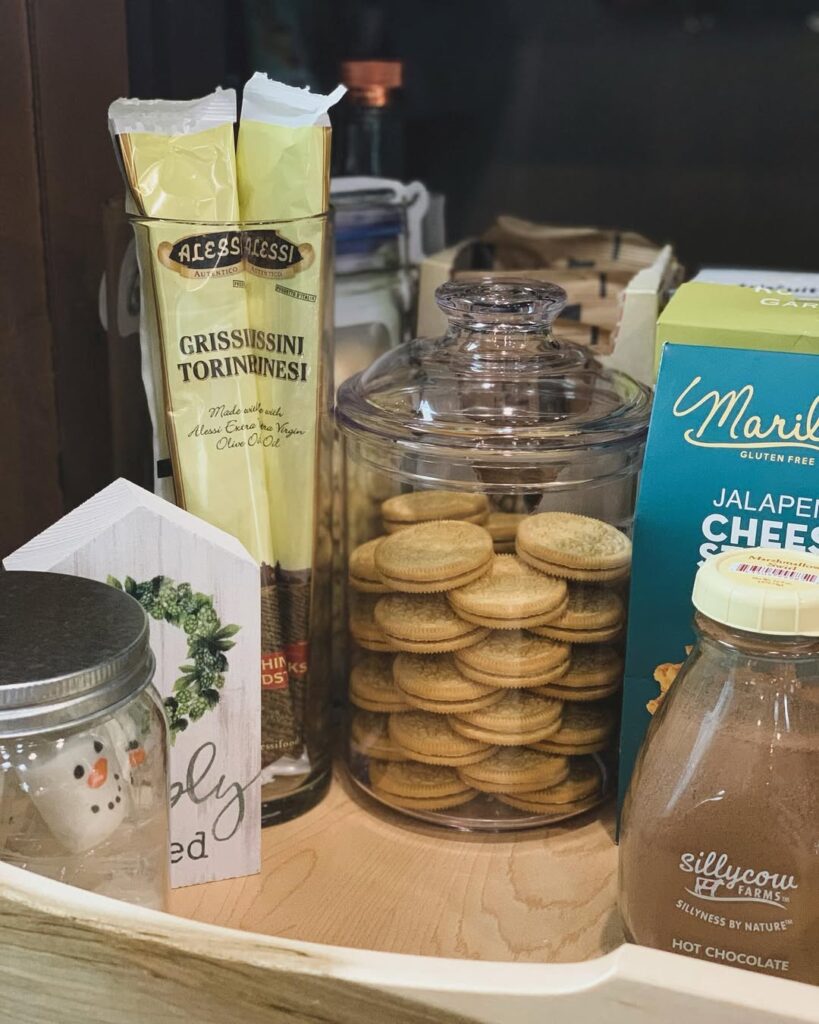
Photo Credit: @happy_rvers
Managing the weight of your food supplies is critical for RV travel, affecting everything from fuel efficiency to vehicle handling.
Strategic Food Selection
- Dehydrated meals
- Canned goods
- Vacuum-packed proteins
- Compact nutrient-dense foods
- Multipurpose ingredients
Weight Reduction Strategies
- Remove original packaging
- Use lightweight storage containers
- Select compact, nutrient-dense foods
- Minimize water-heavy ingredients
- Plan meals with overlapping ingredients
7. Temperature and Preservation Techniques
Protecting your food from temperature fluctuations and potential spoilage requires specialized storage techniques.
Food Preservation Methods
- Vacuum sealing
- Mylar bag storage
- Oxygen absorber packets
- Freeze-dried meal preparations
- Compact food dehydrator
Temperature Control
- Insulated storage compartments
- Reflective thermal liners
- Temperature-monitoring devices
- Proper ventilation strategies
- Cooling gel packs
Recommended Preservation Tools for RV Living
Keeping food fresh on the road can be tricky, but the right tools make a big difference. A Portable Vacuum Sealer is a game-changer for RVers—compact, easy to use, and ideal for sealing meats, snacks, or leftovers for longer shelf life. Pair it with Oxygen Absorber Packets or Mylar Bags to store dry goods like rice, beans, or snacks for extended periods, especially in changing climates.

For added freshness, consider tossing a few Reusable Cooling Gel Packs into your cooler or insulated compartments. These affordable, space-saving items help regulate temperature and reduce reliance on electricity when you’re off-grid or between stops.
8. Smart Shelving and Storage Modifications
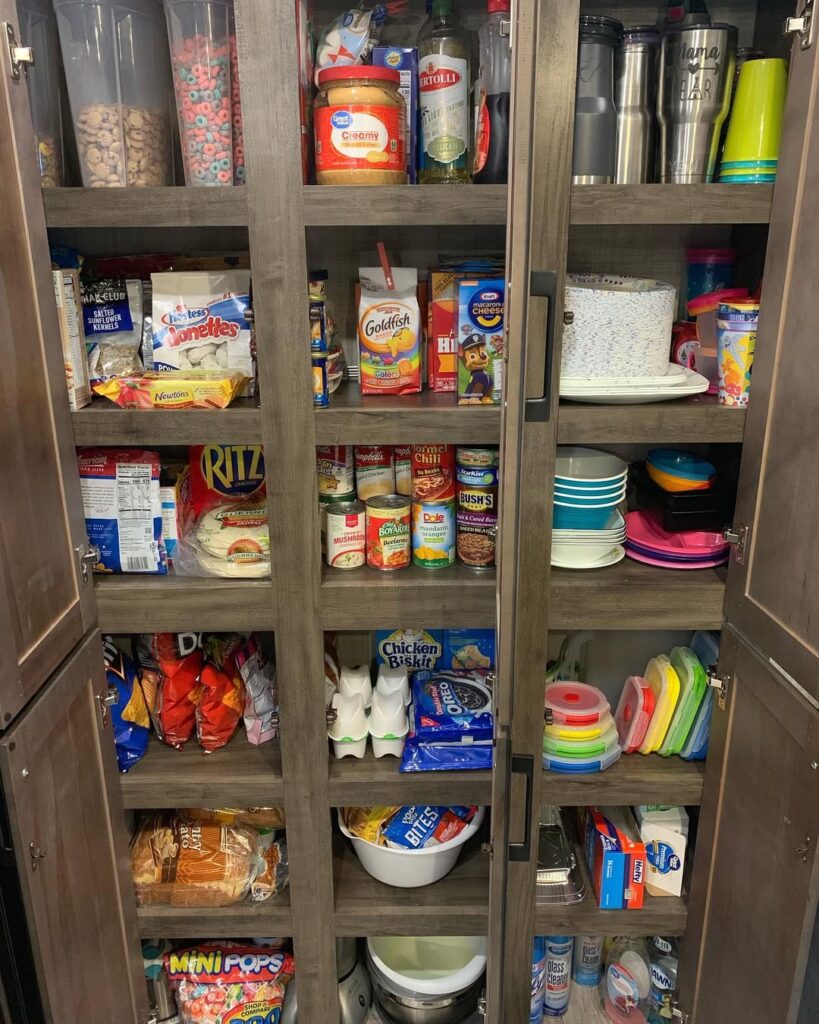
Photo Credit: @wandering.wildwood
Custom storage solutions can transform your RV’s food storage capabilities, creating more efficient and accessible spaces.
Custom RV Storage Solutions
- Adjustable shelf systems
- Slide-out drawer installations
- Modular storage units
- Removable storage dividers
- Custom-fit pantry organizers
DIY Storage Enhancements
- Velcro-secured containers
- Bungee cord restraint systems
- Non-slip mat underlayments
- Magnetic catch mechanisms
- Shock-absorbing shelf liners
9. Technology-Assisted Storage Management
Modern technology offers innovative solutions to track, manage, and optimize RV food storage.
Digital Inventory Tools
- Meal planning apps
- Inventory tracking software
- QR code labeling systems
- Digital expiration date trackers
- Smartphone storage management apps
Smart Storage Devices
- Bluetooth temperature monitors
- Humidity control devices
- Compact food scale
- Portable vacuum sealers
- Digital food preservation tools
Recommended Products


10. Specialty Food Storage Techniques
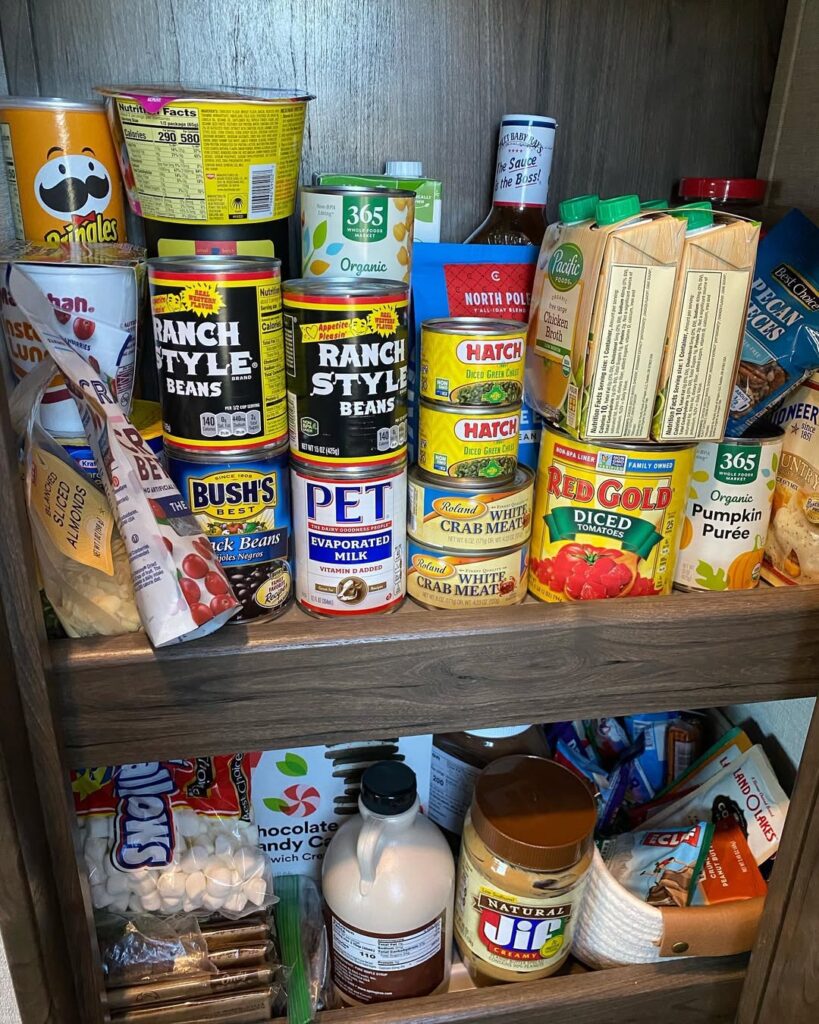
Photo Credit: @offtoseeintherv
Different food types require specialized storage approaches to maintain quality and maximize space.
Protein and Meat Storage
- Vacuum-sealed meat portions
- Freeze-dried meat alternatives
- Canned protein sources
- Compact jerky storage
- Lightweight protein powders
Produce Preservation
- Produce-specific storage bags
- Breathable vegetable containers
- Herb preservation systems
- Compact produce dehydrator
- Silicone produce storage bags
The relationship between food storage and meal preparation becomes particularly evident when considering specialty foods. Effective storage of proteins and produce doesn’t just preserve these items—it transforms the cooking experience itself. When ingredients remain fresh and accessible, the constraint of cooking in a compact RV kitchen becomes less restrictive and more creative. Many RV enthusiasts find that necessity breeds invention, leading to signature dishes that become tradition on their journeys. The satisfaction of creating delicious meals from well-preserved ingredients can become one of the most rewarding aspects of RV travel.
While organizing food is crucial for maintaining a functional RV kitchen, don’t overlook the importance of dish storage—especially while driving. For ideas that prevent rattling and breakage, check out our guide on RV dish storage solutions for secure travel. It’s filled with clever ways to keep plates, bowls, and mugs safe and tidy no matter how bumpy the road gets.
11. Emergency and Long-Term Storage
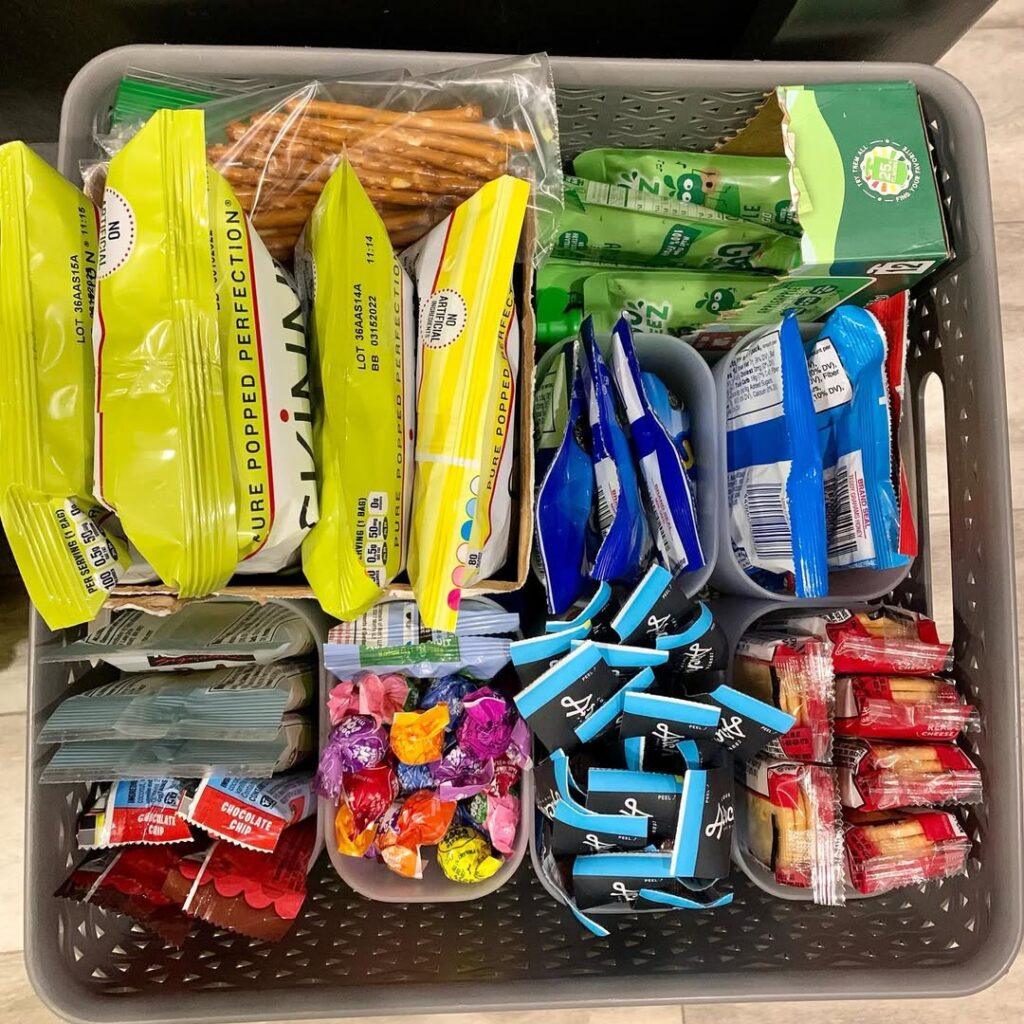
Photo Credit: @brewingadventure.family
Preparing for extended trips or unexpected situations requires strategic food storage planning.
Extended Trip Preparations
- Long-shelf-life food options
- Emergency food kits
- Compact survival rations
- Water preservation techniques
- Backup food storage strategies
Preservation Methods
- Mylar bag storage
- Oxygen absorber techniques
- Bulk dry food packaging
- Nutrient-dense compact foods
- Multi-year storage solutions
12. Climate and Environment Considerations
Different environments pose unique challenges to food storage in RVs.
Temperature-Resistant Storage
- Insulated storage compartments
- Thermal-regulated containers
- Heat-resistant packaging
- Cold-chain preservation techniques
- Climate-adaptive storage systems
Environmental Protection
- Pest-resistant containers
- Moisture-barrier packaging
- UV-protective storage
- Shock-absorbing containers
- Sealed environmental units
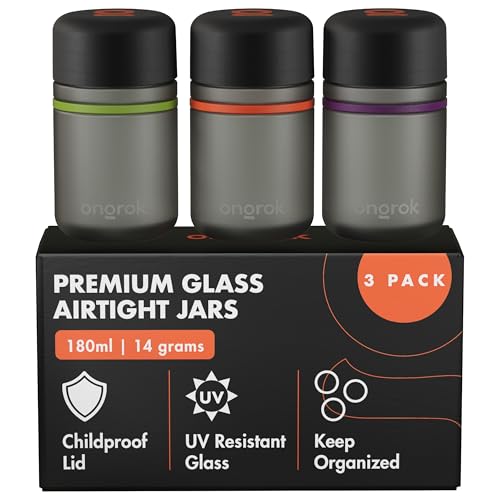
Recommended Products

13. Budget-Friendly Storage Innovations
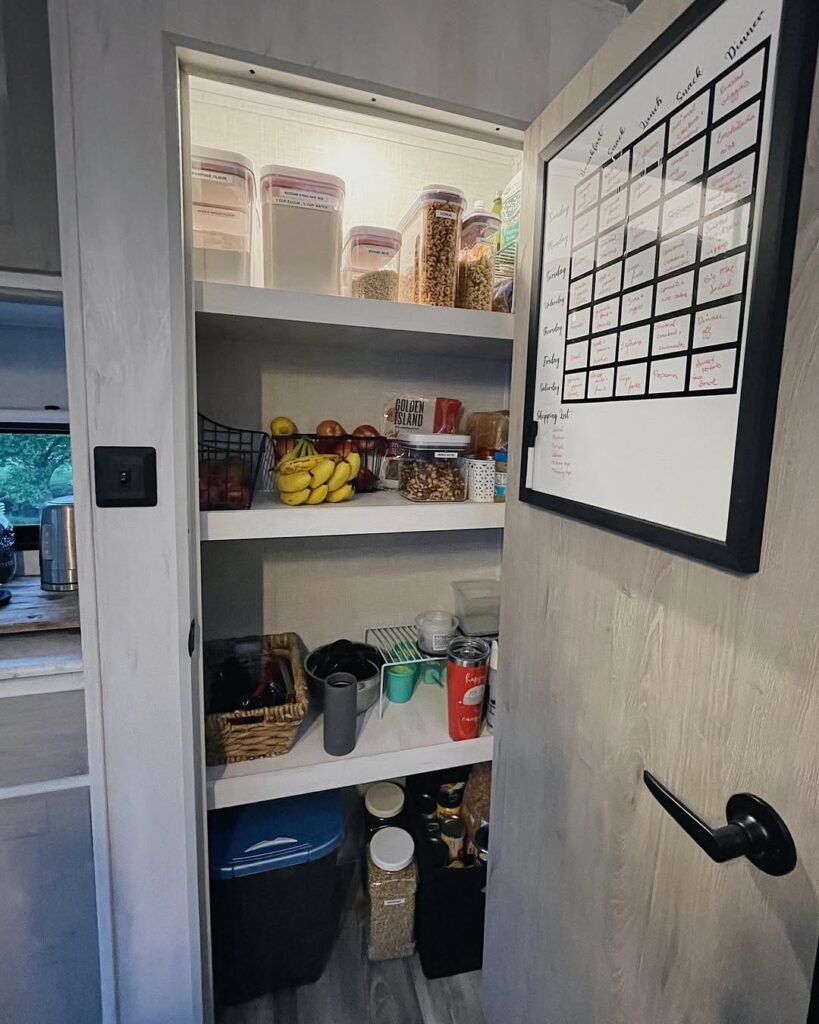
Photo Credit: @rooted.in.strength
Effective food storage doesn’t have to break the bank. Creative solutions can help you maximize your storage without significant expense.
Cost-Effective Solutions
- Repurposed kitchen containers
- Thrift store storage finds
- DIY storage modification kits
- Multi-purpose container sets
- Affordable storage accessories
Economic Storage Strategies
- Bulk buying techniques
- Compact food purchasing
- Minimalist meal planning
- Efficient space utilization
- Strategic food selection
14. Specialized Storage for Dietary Needs
Trueorganized.com
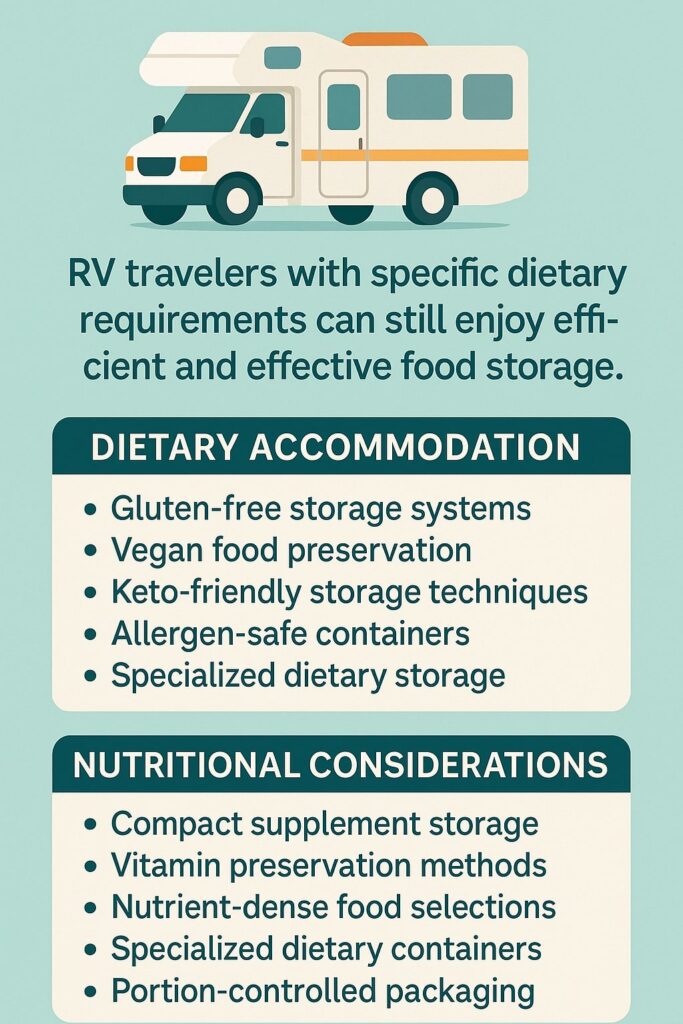
RV travelers with specific dietary requirements can still enjoy efficient and effective food storage.
Dietary Accommodation
- Gluten-free storage systems
- Vegan food preservation
- Keto-friendly storage techniques
- Allergen-safe containers
- Specialized dietary storage
Nutritional Considerations
- Compact supplement storage
- Vitamin preservation methods
- Nutrient-dense food selections
- Specialized dietary containers
- Portion-controlled packaging
Recommended Product

15. Maintenance and Care of Storage Systems
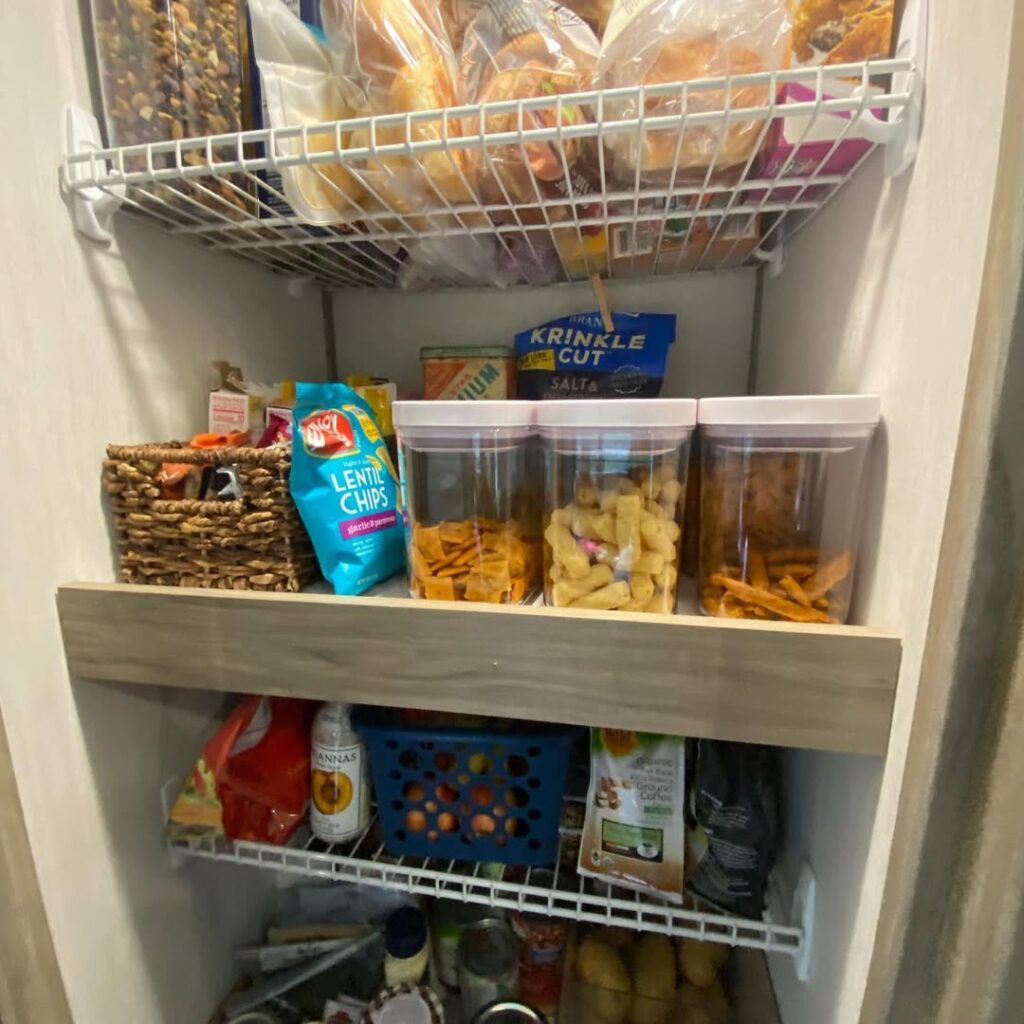
Photo Credit: @runningfromnormal
Keeping your RV food storage systems in top condition ensures long-term efficiency and food quality.
Storage System Upkeep
- Regular cleaning protocols
- Container sanitization techniques
- Moisture control methods
- Periodic inventory checks
- Storage system optimization
Long-Term Maintenance
- Preventative maintenance checks
- Container replacement strategies
- Storage system upgrades
- Performance tracking
- Continuous improvement approach
As we’ve explored these comprehensive storage solutions, a common thread emerges—successful RV food storage is as much about mindset as it is about methods. Adopting a flexible, adaptive approach allows you to customize these strategies to your unique situation. Veteran RV travelers often speak of a food storage evolution that occurs naturally over time, where systems are continuously refined based on experience. What works for a weekend trip might need adjustment for extended travel, and what’s perfect in temperate climates might require modification in extreme heat or cold.
The journey toward mastering RV food storage is itself part of the adventure. Each trip provides new insights and opportunities for improvement. As you implement these strategies, you’ll likely develop personalized approaches that perfectly suit your travel style. The ultimate goal extends beyond efficient storage—it’s about creating a harmonious relationship between your mobile lifestyle and your culinary aspirations, allowing food to enhance rather than complicate your RV experience.
Your RV Food Storage Mastery Checklist
- Assess available storage space
- Select versatile containers
- Implement rotation system
- Manage weight distribution
- Plan meals strategically
- Invest in quality storage solutions
- Maintain flexible storage approach
Mastering RV food storage is an art that combines creativity, strategy, and practical innovation. By implementing these 15 comprehensive solutions, you’ll transform your RV kitchen into an efficient, organized, and stress-free culinary haven. Remember, the key is to remain flexible, continually learn, and adapt your storage strategies to your unique travel lifestyle.
Remember that perfecting your RV food storage system is a journey rather than a destination. Each trip provides new insights and opportunities for refinement. By approaching food storage with creativity and intention, you transform a potential challenge into an opportunity to enhance your overall travel experience. The freedom of the open road combined with the comfort of well-planned meals creates the perfect recipe for unforgettable adventures. Happy travels and bon appétit!