

Picture this: You’re parked beside a pristine mountain lake, coffee in hand, watching the sunrise paint the sky in brilliant oranges and pinks. This is the RV dream that captivates millions. Yet behind those Instagram-perfect moments lies a truth many discover too late—without proper organization, your rolling paradise can quickly become a cramped nightmare.
The transition from a spacious home to a compact RV represents one of the most dramatic lifestyle shifts you can make. Success doesn’t just happen by accident; it requires deliberate planning, smart systems, and a fundamental reimagining of how you live. This comprehensive guide will equip you with the knowledge, strategies, and mindset needed to thrive in your mobile home, not merely survive in it.
Whether you’re planning weekend getaways, extended seasonal travel, or embracing full-time nomadic living, the principles and practices outlined here will transform your RV experience from stressful to spectacular. We’ll explore everything from the psychological shifts required for small-space living to advanced organization techniques that maximize every cubic inch of your rolling home.
Contents
- 1 Understanding the RV Living Revolution: More Than Just Downsizing
- 2 Pre-Journey Preparation: Building Your Foundation for Success
- 3 Space Management Mastery: Maximizing Every Cubic Inch
- 4 Digital Nomad Mastery: Technology and Lifestyle Integration
- 5 Financial Organization and Income Generation Mastery
- 6 Advanced Lifestyle Integration and Continuous Optimization
Understanding the RV Living Revolution: More Than Just Downsizing
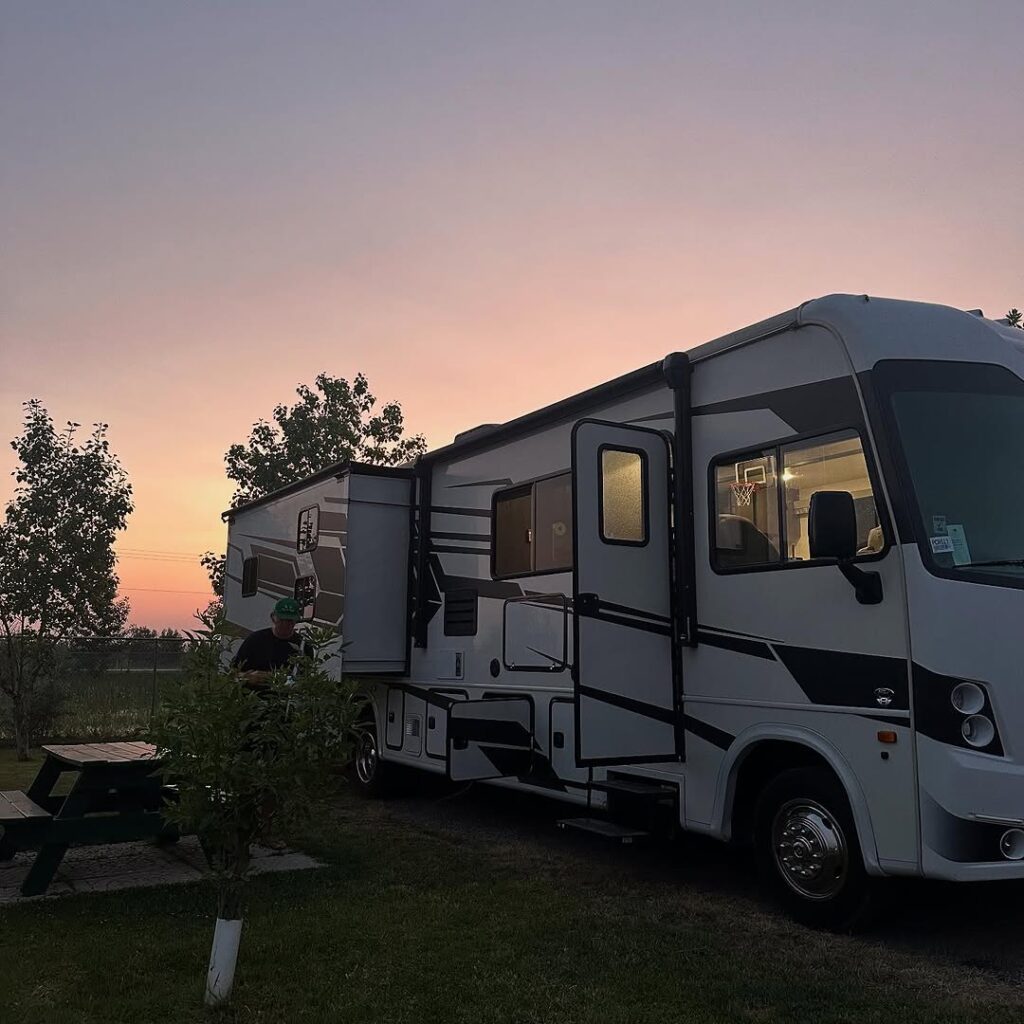
Photo Credit: @bbtherv
The Great Mindset Transformation
Living in an RV isn’t simply about moving into a smaller space—it’s about fundamentally rewiring how you think about possessions, comfort, and what truly matters in life. Traditional homeowners often struggle with this transition because they’re accustomed to unlimited storage and dedicated spaces for every activity.
Spatial Awareness: In a conventional home, you might dedicate entire rooms to single purposes—a dining room used only for meals, a guest bedroom occupied occasionally. RV living demands that every square foot serves multiple functions. Your dining table becomes your office, your bed transforms into a couch, and your shower might double as storage space.
Possession Evaluation: The average American home contains over 300,000 items. RV living forces a dramatic reassessment of what you actually need versus what you simply want. This process often proves liberating, as many discover they’re happier with fewer possessions and more experiences.
Flexibility Over Permanence: Traditional living encourages us to establish routines around fixed spaces and permanent installations. RV life rewards those who embrace adaptability, finding joy in changing scenery and adjusting to new environments regularly.
The Three Pillars of Successful RV Living
Minimalism: This isn’t about living with nothing—it’s about living with intention. Every item in your RV should either serve a practical purpose or bring genuine joy. The goal is to eliminate the excess that clutters both your space and your mind.
Efficiency: Small spaces demand maximum functionality from every element. A successful RV setup means nothing exists without serving multiple purposes or earning its place through frequent use.
Adaptability: Weather changes, mechanical issues arise, and plans shift unexpectedly. The most successful RVers develop systems and mindsets that bend without breaking when faced with the unexpected.
Common Challenges and Realistic Expectations
The Honeymoon Period: Many new RVers experience initial euphoria, charmed by the novelty and freedom. However, reality typically sets in within the first few months when organizational challenges become apparent.
Storage Shock: Even large RVs have significantly less storage than the smallest apartments. This reality hits hardest in the first few weeks as you struggle to find homes for essential items.
Relationship Dynamics: Couples often underestimate how living in close quarters affects their relationship dynamics. Personal space becomes precious, and communication becomes crucial for maintaining harmony.
Maintenance Responsibilities: Unlike apartment living, RV residents must understand their home’s mechanical systems. This learning curve can feel overwhelming initially but becomes empowering over time.
Pre-Journey Preparation: Building Your Foundation for Success

Photo Credit: @campervibes.gr
Financial Architecture for Mobile Living
Before your wheels start rolling, establishing solid financial foundations prevents future stress and enables true freedom on the road.
Initial Investment Analysis: Beyond the RV purchase price, factor in immediate modifications, essential equipment, and setup costs. Budget an additional 20-30% of your RV’s purchase price for initial improvements and necessary accessories.
Monthly Budget Framework: RV living expenses vary dramatically based on travel frequency, camping preferences, and lifestyle choices. Create flexible budget categories that account for this variability.
| Expense Category | Budget Range | Cost-Reduction Strategies |
|---|---|---|
| Accommodation | $400-$1,200 | Membership camping, boondocking, extended stays |
| Fuel & Travel | $200-$600 | Slower travel, efficient route planning, fuel rewards |
| Maintenance | $150-$400 | Preventive care, DIY repairs, warranty coverage |
| Food & Supplies | $300-$600 | Bulk purchasing, local markets, meal planning |
| Communications | $50-$150 | Multiple carrier plans, WiFi alternatives |
| Insurance | $100-$250 | Bundled policies, safe driver discounts |
Emergency Preparedness: Maintain an emergency fund covering 3-6 months of expenses. RV life presents unique challenges—mechanical breakdowns, weather delays, or unexpected repairs—that require financial flexibility.
Income Diversification: Relying on a single income source increases vulnerability. Develop multiple revenue streams through remote work, seasonal employment, or passive income opportunities.
The Art of Strategic Downsizing
Effective downsizing extends far beyond simply getting rid of stuff—it’s about thoughtfully curating possessions that enhance your mobile lifestyle while eliminating everything that doesn’t serve your new reality.
The Four-Category System: Divide all possessions into essential items (daily use), sentimental pieces (emotional value), convenience items (nice but not necessary), and excess (everything else).
Digital Transformation Strategy: Convert physical documents, photos, and media to digital formats. Scan important papers, digitize photo albums, and transition to digital entertainment libraries. This single step can eliminate boxes of storage needs.
Strategic Storage Solutions: For items you can’t bear to part with but won’t need on the road, consider these options:
- Small climate-controlled storage units for irreplaceable documents and family heirlooms
- Trusted family members willing to store seasonal items
- Digital storage for photographs, documents, and media collections
The Gradual Approach: Rather than rushing through downsizing, allow several months for the process. This prevents regrettable decisions and helps you truly evaluate what matters most.
Legal and Administrative Foundations
Domicile Selection: Choose your legal residence carefully, considering state taxes, insurance requirements, healthcare access, and mail forwarding services. Popular RV-friendly states include South Dakota, Texas, and Florida, each offering different advantages.
Mail Management: Establish reliable mail forwarding through services like Escapees, My RV Mail, or America’s Mailbox. These services scan mail, forward packages, and provide a permanent address for legal purposes.
Insurance Optimization: Review and adjust all insurance policies for mobile living. This includes RV insurance, health coverage that works nationwide, and potentially umbrella liability coverage.
Banking Modernization: Transition to banks with extensive ATM networks, low or no fees, and robust online services. Consider credit unions that participate in shared branching networks for broader access.
This foundational preparation phase determines whether your RV journey begins smoothly or starts with avoidable stress and complications. Taking time to properly establish these systems before departure pays dividends throughout your travels.
Space Management Mastery: Maximizing Every Cubic Inch

Photo Credit: @havalab_official
The Science of Small-Space Living
Your RV’s interior square footage might be smaller than some walk-in closets, yet it must function as bedroom, kitchen, office, living room, and storage facility. Success requires viewing your space not as rooms but as zones that transform throughout the day.
Zone-Based Organization: Rather than thinking in terms of traditional rooms, successful RVers organize their space into functional zones that can quickly adapt to different needs.
Living Zone Transformation: The main living area serves multiple masters throughout the day. Morning might find it functioning as a dining room for breakfast, transforming into an office for remote work, becoming an entertainment center for evening relaxation, and potentially converting to additional sleeping space for guests.
Configure this space with lightweight, multi-functional furniture. Ottoman storage cubes provide seating, footrests, and hidden storage. Folding tables can expand for meals or work sessions, then disappear when floor space is needed. Wall-mounted TV brackets allow screens to swivel between zones, serving both living and bedroom areas.
Kitchen Efficiency Engineering: RV kitchens demand maximum functionality within minimal space. Every tool, appliance, and storage solution must earn its place through frequent use or exceptional efficiency.
Install magnetic knife strips to free drawer space while keeping blades safely secured during travel. Nesting cookware sets eliminate wasted space between pots and pans. Collapsible silicone containers store efficiently while providing reliable food storage. Over-the-sink cutting boards create additional prep space that disappears when not needed.
Consider appliance multitasking opportunities. An instant pot can replace a pressure cooker, slow cooker, rice cooker, and steamer. A convection toaster oven might eliminate the need for a traditional oven in smaller RVs. Combination microwave-convection units serve dual purposes while occupying single appliance space.
Bedroom Zone Optimization: Sleep spaces in RVs often serve double duty as daytime living areas or storage access points. The key lies in creating systems that transition smoothly between functions.
Under-bed storage systems transform wasted space into valuable real estate for seasonal clothing, extra bedding, or rarely used items. Vacuum storage bags compress bulky items like winter coats or extra pillows to fraction of their original size. Built-in drawers or rolling bins provide organized access to stored items without requiring bed dismantling.
Wall-mounted reading lights free nightstand space while providing task lighting. Bedside caddies keep essentials within reach without cluttering surfaces. Consider murphy bed systems or convertible dinettes in smaller RVs to maximize daytime living space.
Related: 20+ Genius RV Bedroom Storage Ideas: Your Ultimate Space-Saving Guide
Vertical Storage Revolution
Most people think horizontally when organizing, but RV success requires vertical thinking. Walls, doors, and ceiling spaces offer tremendous untapped storage potential.
Wall-Mounted Solutions: Transform blank walls into functional storage with carefully planned mounting systems. Magnetic strips hold kitchen utensils, spice containers, and tools. Mesh pockets organize cleaning supplies, toiletries, or office materials. Fold-down desks provide workspace without permanent floor space sacrifice.
Over-Door Organization: Interior doors represent prime real estate for storage expansion. Shoe organizers aren’t just for shoes—they excellently organize toiletries, craft supplies, cleaning products, or pantry items. Towel bars hold kitchen utensils or bathroom accessories. Mirror-door organizers combine functionality with space-saving design.
Ceiling Storage Systems: Don’t overlook overhead space potential. Cargo nets secure lightweight items during travel while providing easy access when parked. Overhead compartments can house seasonal clothing, extra bedding, or camping equipment. Retractable ceiling-mounted systems can hold bikes, kayaks, or other recreational equipment.
Advanced Storage Container Strategies
The Container Hierarchy: Not all storage containers are created equal. Successful RV organization requires understanding which container types work best for different storage needs.
| Container Type | Ideal Contents | Key Benefits | Best Locations |
|---|---|---|---|
| Clear Plastic Bins | Seasonal items, rarely used gear | Visibility, stackability, durability | Under-bed, overhead compartments |
| Vacuum Compression Bags | Bedding, winter clothing, bulky fabrics | Maximum space efficiency | Under-bed, basement storage |
| Magnetic Containers | Spices, small tools, hardware | Secure during travel, easy access | Kitchen walls, utility areas |
| Mesh Bags | Dirty laundry, sports equipment | Breathability, flexibility | Exterior storage, shower areas |
| Rolling Drawer Units | Daily essentials, pantry items | Easy access, mobility | Under counters, bedroom areas |
Labeling Systems: In small spaces, finding items quickly becomes crucial. Develop consistent labeling systems using waterproof labels, color coding, or QR codes linking to digital inventories. This prevents the frustration of unpacking multiple containers to locate single items.
Modular Thinking: Choose storage systems that work together rather than random containers. Modular systems allow reconfiguration as needs change while maintaining efficiency. Stackable containers maximize vertical space while providing access to individual units.
Technology Integration for Space Management
Digital Inventory Management: Paper lists get lost, but digital inventories remain accessible across devices. Create spreadsheets cataloging storage locations, contents, and last-use dates. Some RVers photograph container contents, creating visual inventories accessible through smartphone apps.
Space Planning Apps: Several mobile apps help visualize and plan small-space organization. Floor planning apps allow you to experiment with furniture arrangements before physically moving heavy items. Measurement apps ensure purchases fit designated spaces before buying.
Smart Storage Solutions: Consider technology-enhanced storage options like app-controlled locks for exterior compartments, inventory tracking systems with barcode scanning, or smart sensors that alert you to moisture or temperature changes in critical storage areas.
The goal isn’t merely organizing your RV—it’s creating systems that maintain themselves while supporting your lifestyle goals. Effective space management transforms your RV from a cramped traveling box into a thoughtfully designed mobile home that enhances rather than restricts your adventure possibilities.
Digital Nomad Mastery: Technology and Lifestyle Integration

Photo Credit: @vanlifetrader
Building Your Mobile Command Center
The modern RV serves as more than transportation and shelter—it’s a complete mobile office, entertainment center, and communication hub. Success requires strategic technology integration that supports productivity while maintaining reliability across diverse environments.
Connectivity Architecture: Reliable internet access forms the foundation of successful remote work and staying connected with loved ones. However, depending on a single connection source guarantees frustration and lost productivity.
Multi-Layered Internet Strategy: Build redundancy into your connectivity plan. Primary connections might include unlimited cellular plans from major carriers, with backup options like satellite internet for remote areas and campground WiFi when available. Cellular signal boosters amplify weak signals, often making the difference between usable and unusable connections.
Many successful digital nomads carry devices from multiple carriers—Verizon excels in rural areas, T-Mobile often leads in urban centers, and AT&T provides solid middle-ground coverage. Portable hotspot devices allow quick switching between carriers based on location performance.
Power Management Systems: Technology demands consistent, clean power. Standard RV electrical systems often struggle with the demands of modern electronics, making power management crucial for digital nomads.
Solar Power Integration: Modern solar systems provide genuine energy independence. A well-designed setup includes high-efficiency panels, quality charge controllers, and sufficient battery storage for overnight and cloudy-day operations. Lithium batteries, while more expensive initially, offer superior performance, longer life, and deeper discharge capabilities compared to traditional lead-acid options.
Calculate your actual power needs before designing systems. LED lighting, efficient appliances, and conscious energy use dramatically reduce power requirements. Many RVers discover they can live comfortably on 200-400 watts of solar capacity with proper system design.
Workspace Ergonomics: Working from a cramped dinette quickly leads to physical discomfort and decreased productivity. Creating proper workspace ergonomics within RV constraints requires creativity and investment in quality equipment.
Adjustable Solutions: Ergonomic challenges require flexible solutions. Laptop stands bring screens to proper eye level while allowing external keyboard use. Portable monitor arms enable dual-screen setups that fold away when not needed. Quality office chairs that compress for storage provide back support during long work sessions.
Consider your work patterns when designing workspace solutions. Video conference participants need good lighting and professional backgrounds. Writers might prioritize keyboard comfort and screen glare reduction. Graphic designers require color-accurate monitors and sufficient workspace for drawing tablets.
Personal Organization Systems
Wardrobe Minimalism: Successful RV living requires rethinking clothing ownership and maintenance. The goal isn’t deprivation—it’s strategic curation that supports your lifestyle while minimizing space requirements.
Capsule Wardrobe Principles: Build your mobile wardrobe around versatile pieces that mix and match effortlessly. Choose neutral color palettes that create multiple outfit combinations from fewer pieces. Prioritize quality fabrics that resist wrinkles, dry quickly, and maintain appearance through frequent washing.
Climate Adaptability: RV travel exposes you to diverse weather conditions, often within single trips. Layer-based clothing systems adapt to temperature changes more effectively than specialized outfits for each condition. A good base layer, insulating mid-layer, and weather-resistant outer layer handle most conditions while occupying minimal storage space.
Maintenance Simplification: Choose clothing that launders easily and requires minimal special care. Delicate fabrics requiring dry cleaning or special handling create complications in mobile living. Merino wool offers excellent odor resistance, reducing washing frequency. Synthetic fabrics dry quickly and resist wrinkles.
Toiletry Streamlining: Bathroom space in RVs is typically measured in square inches rather than feet. Every product must justify its presence through frequent use or exceptional effectiveness.
Multi-Purpose Products: Seek products serving multiple functions. Dr. Bronner’s soap works for body, hair, dishes, and laundry. Coconut oil serves as moisturizer, deodorant, and cooking ingredient. Quality sunscreen doubles as daily facial moisturizer. All-in-one shampoo and conditioner reduces bottle count while maintaining hair health.
Container Optimization: Replace bulky original packaging with compact, refillable containers. Solid toiletries often travel better than liquids—shampoo bars, soap bars, and solid deodorants eliminate spill risks while lasting longer than liquid equivalents.
Health and Wellness Organization

Photo Credit: @dirtlegal
Mobile Fitness Solutions: Maintaining physical health while living in confined spaces requires intentional planning and creative solutions. The key lies in choosing equipment that provides maximum benefit while occupying minimal space.
Resistance-Based Training: Resistance bands offer complete strength training capabilities while storing in a single small bag. TRX suspension trainers enable full-body workouts using your RV’s structure for anchor points. These systems work anywhere you can park, regardless of weather or ground conditions.
Outdoor Activity Integration: RV living provides unparalleled access to outdoor recreation. Many successful RVers build their travel plans around hiking, biking, kayaking, or other activities that provide both exercise and entertainment. Collapsible bikes, inflatable kayaks, and portable outdoor gear enable active lifestyles without major storage sacrifices.
Mental Health Considerations: Small-space living can trigger claustrophobia, relationship stress, and cabin fever. Proactive mental health strategies prevent minor issues from becoming major problems.
Personal Space Creation: Even in small RVs, individuals need personal retreat spaces. This might be an outdoor chair setup, a reading nook, or simply designated times when each person has privacy inside the RV. Noise-canceling headphones create personal space bubbles when physical separation isn’t possible.
Community Connection: RV living can be isolating without intentional community building. Online forums, social media groups, and rally attendance provide connection with fellow travelers. Many RVers develop lasting friendships through shared experiences and mutual support.
Maintenance and Cleaning Efficiency
Preventive Maintenance Scheduling: RV systems require regular attention to prevent minor issues from becoming major problems. Creating systematic maintenance schedules ensures nothing gets overlooked while preventing over-maintenance waste.
Digital Maintenance Tracking: Smartphone apps can track maintenance schedules, parts inventory, and service history. Photos document conditions over time, helping identify developing problems before they cause breakdowns. Digital logs prove valuable when selling RVs or filing warranty claims.
Essential Tool Collections: Space constraints require careful tool selection. Focus on multi-function tools and items specific to your RV’s systems. A good cordless drill with various bits handles many tasks. Quality multimeters diagnose electrical issues. Proper sealants and patch materials enable emergency repairs.
Cleaning System Optimization: Daily cleaning prevents major cleaning sessions while maintaining livable conditions in small spaces. The key lies in having the right tools easily accessible and establishing routines that become automatic.
Microfiber Revolution: Quality microfiber cloths clean more effectively than traditional materials while requiring less water and cleaning products. Different cloths for different purposes prevent cross-contamination—kitchen cloths shouldn’t clean bathrooms. Color coding systems help maintain separation.
All-Surface Solutions: Multi-surface cleaners reduce product inventory while maintaining cleanliness standards. Concentrated products require less storage space and often prove more economical than ready-to-use alternatives.
The integration of technology, personal organization, and maintenance systems creates the foundation for successful long-term RV living. These systems should feel natural and sustainable rather than burdensome, supporting your lifestyle goals while maintaining your mobile home’s functionality and comfort.
Financial Organization and Income Generation Mastery
Strategic Budget Architecture for Mobile Living
RV living presents unique financial challenges that traditional budgeting methods often fail to address. Successful nomads develop flexible financial systems that accommodate variable expenses while building long-term security.
Dynamic Expense Management: Unlike fixed housing costs, RV expenses fluctuate dramatically based on travel patterns, seasonal preferences, and lifestyle choices. Creating budgets that accommodate this variability prevents financial stress and enables confident decision-making.
Variable Cost Categories: Traditional budgets assume consistent monthly expenses, but RV living demands more sophisticated approaches. Fuel costs might range from $200 during stationary months to $800 during heavy travel periods. Campground fees vary from free boondocking to $100+ nightly resort stays. Maintenance costs cluster around seasonal prep periods rather than spreading evenly throughout the year.
The Envelope Method Modernized: Digital banking enables sophisticated versions of traditional envelope budgeting. Separate savings accounts can accumulate funds for specific purposes—maintenance reserves, emergency funds, travel budgets, and seasonal expenses. Automatic transfers ensure these accounts build consistently, preventing shortfalls when expenses spike.
Income Diversification Strategies: Relying on single income sources increases vulnerability in mobile living. Successful RVers typically develop multiple revenue streams that provide flexibility and security.
Remote Work Optimization: Traditional employment increasingly accommodates remote work arrangements. However, RV living requires ensuring your remote work setup meets professional standards regardless of location. This includes reliable internet, professional video conference backgrounds, and quiet spaces for important calls.
Many employers remain flexible about remote work locations as long as productivity and availability remain consistent. Key strategies include maintaining professional communication, delivering results consistently, and being transparent about any location-related limitations.
Freelance and Consulting Opportunities: RV living provides excellent motivation for developing independent income streams. Popular options include writing, graphic design, virtual assistance, online tutoring, and digital marketing services.
| Income Stream | Startup Requirements | Income Potential | Time Investment |
|---|---|---|---|
| Freelance Writing | Portfolio, computer, internet | $25-$100+ per hour | Flexible, project-based |
| Virtual Assistance | Administrative skills, reliable communication | $15-$50 per hour | Part-time to full-time |
| Online Tutoring | Subject expertise, teaching ability | $20-$80 per hour | Flexible scheduling |
| Graphic Design | Design software, portfolio | $30-$150 per hour | Project-based |
| Digital Marketing | Marketing knowledge, analytical skills | $40-$200+ per hour | Varies by client needs |
Seasonal Work Integration: Many RVers supplement income through seasonal employment that aligns with travel plans. Amazon warehouses hire seasonal workers, national parks employ summer staff, and ski resorts need winter employees. These opportunities often include camping accommodations, reducing living expenses while earning income.
Passive Income Development: Building income streams that generate money without active daily involvement provides financial freedom for extended travel periods. Options include affiliate marketing, online course creation, digital product sales, and investment income.
Advanced Financial Planning Techniques
Tax Optimization for Nomads: Mobile living creates unique tax situations that require careful planning. Domicile selection affects state tax obligations, while travel expenses might qualify for business deductions if you’re self-employed.
Business Structure Considerations: Self-employed RVers often benefit from formal business structures. LLCs provide liability protection while enabling business expense deductions. Solo 401(k) plans allow higher retirement contributions for self-employed individuals.
Healthcare Cost Management: Healthcare costs can devastate RV budgets without proper planning. Health Sharing Ministries offer alternatives to traditional insurance for some individuals. Telemedicine reduces the need for in-person visits while traveling. Prescription mail-order services ensure medication availability regardless of location.
Insurance Optimization: RV living affects multiple insurance needs simultaneously. Comprehensive RV insurance protects your home and vehicle in one policy. Full-time RV insurance differs from recreational policies, providing enhanced coverage for permanent living situations.
Personal property coverage becomes crucial when your entire household travels together. Umbrella liability policies provide additional protection at relatively low cost. Some RVers find bundling all insurance through single providers reduces overall costs while simplifying management.
Community Building and Social Organization
Networking for Success: RV living success often depends on community connections that provide support, information, and friendship. Building these networks requires intentional effort but pays dividends in safety, knowledge, and enjoyment.
Digital Community Engagement: Online RV communities provide 24/7 access to advice, support, and connection. Facebook groups specific to RV brands, lifestyle types, or geographic regions offer targeted information. Forums like RV.net provide searchable databases of solutions to common problems.
Contributing valuable information to online communities builds reputation and reciprocal relationships. Sharing experiences, answering questions, and providing helpful resources establishes you as a valued community member who receives support when needed.
Rally and Meetup Participation: In-person gatherings provide deeper connections than online interactions alone. RV rallies range from manufacturer-specific events to general lifestyle gatherings. These events offer education, entertainment, and networking opportunities while enabling comparison shopping for upgrades and accessories.
Regional meetups occur regularly in popular RV destinations. Platforms like Meetup.com, Facebook events, and RV-specific apps help locate gatherings near your current location. Even informal campground social hours can lead to lasting friendships and valuable local knowledge.
Workamping Networks: Workamping combines work opportunities with camping accommodations, providing income while reducing living expenses. Popular platforms include Workamper.com, CoolWorks, and individual campground websites.
Successful workampers develop skills employers value—customer service, maintenance, retail sales, or specialized trades. Building positive relationships with employers often leads to return invitations and referrals to other opportunities.
Safety and Security Organization
Personal Security Systems: RV living presents unique security challenges that require comprehensive planning. Mobile homes can’t rely on neighborhood watch programs or police response times available in residential areas.
Physical Security Measures: Quality locks on all entry points form the foundation of RV security. Deadbolts, window locks, and door reinforcement prevent casual break-ins. Motion-activated lighting deters nighttime intrusions while providing convenience for legitimate movement.
Safe storage protects important documents, extra cash, and valuable items. Fireproof safes protect against both theft and accidents. Hidden storage compartments secure backup documents and emergency supplies.
Digital Security Protocols: Mobile living increases cyber security risks through public WiFi usage and device theft potential. VPN services protect data transmission over unsecured networks. Regular data backups ensure information recovery if devices are stolen or damaged.
Password managers enable strong, unique passwords for all accounts while remaining accessible across devices. Two-factor authentication adds security layers for critical accounts. Regular software updates patch security vulnerabilities.
Emergency Preparedness: RV travelers must be prepared for various emergency scenarios—mechanical breakdowns, severe weather, medical emergencies, and natural disasters. Comprehensive preparation provides peace of mind while potentially saving lives.
Communication Backup Plans: Cell towers fail during emergencies, making backup communication crucial. Satellite communicators enable emergency messaging when cell service is unavailable. CB radios provide local communication during roadside emergencies. Weather radios receive emergency broadcasts when other services fail.
Medical Emergency Preparation: Remote travel locations often have limited medical facilities, making basic medical preparedness essential. First aid training enables appropriate emergency response. Well-stocked medical kits handle common injuries and illnesses. Emergency medical information cards provide critical health information to first responders.
Financial organization, community building, and security planning work together to create sustainable, enjoyable RV living experiences. These systems provide the foundation for confident travel while building the resources needed for long-term mobile living success.
Advanced Lifestyle Integration and Continuous Optimization

Photo Credit: @vanlifetrader
Environmental Sustainability and Responsible Travel
Modern RV living increasingly embraces environmental consciousness, recognizing that sustainable practices preserve the natural spaces that make nomadic life so appealing. Implementing eco-friendly systems reduces environmental impact while often saving money and improving self-sufficiency.
Energy Independence Evolution: Solar power technology has revolutionized RV living, enabling extended off-grid camping while reducing reliance on fossil fuel generators. Modern systems provide reliable power for all essential functions plus luxury items like air conditioning and electric cooking.
Advanced Solar Configurations: Today’s efficient panels and lithium battery systems enable sophisticated energy management. Properly sized systems can power full-size refrigerators, washer-dryers, and multiple electronic devices indefinitely. MPPT charge controllers maximize energy harvest even during cloudy conditions.
Battery technology advances have made lithium-iron-phosphate (LiFePO4) batteries increasingly affordable while providing superior performance. These batteries charge faster, discharge deeper, last longer, and weigh significantly less than traditional lead-acid alternatives. Smart battery management systems protect investments while optimizing performance.
Water Conservation Strategies: Fresh water represents a limiting factor in extended boondocking. Implementing conservation strategies extends independence while reducing environmental impact.
Greywater Management: Sophisticated greywater systems enable water reuse for non-potable purposes. Simple systems divert shower and sink water to irrigate plants or flush toilets. More advanced systems filter greywater for multiple reuses, dramatically reducing fresh water consumption.
Low-flow fixtures reduce consumption without sacrificing functionality. Navy shower techniques—water on for wetting and rinsing only—can reduce shower water usage by 75%. High-efficiency appliances like combination washer-dryers use minimal water compared to traditional machines.
Waste Reduction Implementation: Zero-waste living becomes easier in RVs due to limited storage space naturally discouraging over-consumption. Composting toilets eliminate black water while producing useful fertilizer. Reusable containers replace disposable packaging. Bulk purchasing reduces packaging waste while saving money.
Personal Growth and Lifestyle Design
Continuous Learning Integration: RV living provides unprecedented opportunities for experiential learning. Travel exposes you to diverse cultures, ecosystems, and perspectives impossible to encounter from fixed locations.
Skill Development Opportunities: Mobile living often necessitates developing new capabilities—mechanical troubleshooting, solar system design, or navigation skills. Many RVers discover hidden talents or develop expertise in areas they never previously considered.
Online learning platforms provide access to virtually unlimited educational content. High-speed internet enables participation in courses, certifications, and degree programs while traveling. Many successful RVers use travel time to transition careers, start businesses, or pursue delayed educational goals.
Cultural Immersion Strategies: RV travel enables deep cultural experiences impossible with traditional vacation approaches. Extended stays in regions allow genuine connection with local communities, understanding of regional differences, and appreciation for America’s incredible diversity.
Slow Travel Benefits: Rushing between destinations prevents meaningful experiences while increasing stress and expenses. Successful RVers often adopt “slow travel” approaches—staying weeks or months in areas rather than constantly moving. This approach reduces costs, enables deeper experiences, and provides time for building relationships.
Health and Wellness Optimization: Mobile living can dramatically improve physical and mental health through increased outdoor time, reduced stress, and active lifestyles. However, realizing these benefits requires intentional planning and systems.
Mental Health Maintenance: Small-space living with travel partners requires excellent communication skills and personal space management. Successful couples develop strategies for maintaining individual identities while sharing confined spaces.
Regular exercise becomes crucial for both physical and mental health. Natural settings provide excellent motivation for hiking, biking, swimming, and other activities. Many RVers report improved fitness levels after adopting mobile lifestyles.
Advanced Technology Integration
Internet of Things (IoT) Applications: Smart RV technology enables remote monitoring and control of critical systems. Cellular-connected devices can alert you to temperature changes, water leaks, or security breaches when away from your RV.
Predictive Maintenance Systems: Advanced monitoring systems track engine performance, battery health, and system efficiency over time. This data enables predictive maintenance—addressing issues before they cause breakdowns rather than reacting to failures.
Navigation and Route Optimization: RV-specific GPS systems consider vehicle height, weight, and length restrictions while planning routes. These systems help avoid low bridges, weight-restricted roads, and other hazards that could damage your RV or create dangerous situations.
Real-time traffic and weather integration enables dynamic route adjustments. Some systems crowd-source information from other RVers about road conditions, campground availability, and local attractions.
Long-term Sustainability Planning
Aging in Place Considerations: Many RVers plan to continue mobile living into retirement and beyond. This requires planning for potential mobility limitations, healthcare access needs, and social support systems.
Accessibility Modifications: Modern RV manufacturers offer accessibility features like wheelchair ramps, roll-in showers, and modified control locations. Retrofitting existing RVs with accessibility features enables continued travel as physical capabilities change.
Healthcare Access Planning: Medicare and insurance coverage vary significantly by location. Understanding coverage limitations and planning travel around healthcare needs becomes increasingly important with age.
Legacy and Estate Planning: Full-time RV living affects estate planning, beneficiary access, and asset management. Working with attorneys familiar with mobile living helps ensure proper documentation and planning.
Conclusion: Transforming Dreams Into Sustainable Reality
RV living represents far more than alternative housing—it’s a comprehensive lifestyle philosophy that integrates personal freedom, financial intelligence, environmental consciousness, and continuous growth. Success requires systematic approach to organization, realistic expectations, and commitment to ongoing optimization.
The Integration Challenge: The various systems outlined throughout this guide—financial management, space organization, technology integration, community building, and personal development—must work together seamlessly. Success comes not from perfecting individual elements but from creating harmonious systems that support your unique lifestyle goals.
Continuous Evolution: Your RV organization systems will evolve as you gain experience, change circumstances, and refine preferences. What works perfectly during initial months may require adjustment as you develop new priorities or encounter different challenges. Embracing this evolution rather than resisting change enables long-term success.
Personal Definition of Success: RV living success looks different for everyone. Weekend warriors may prioritize quick setup and minimal maintenance. Full-time nomads might focus on comprehensive systems and long-term sustainability. Workampers balance income generation with travel flexibility. Define success on your own terms rather than copying others’ approaches.
The Compound Effect: Small, consistent improvements in organization, financial management, and lifestyle design compound over time to create dramatically enhanced experiences. Daily habits around maintenance, budgeting, and system optimization prevent major problems while building resources for enhanced adventures.
Beyond Organization to Transformation: Ultimately, RV living organization serves a higher purpose—enabling the personal transformation that comes from embracing uncertainty, simplifying possessions, and prioritizing experiences over accumulation. The organizational systems become invisible infrastructure supporting a life of freedom, growth, and authentic connection with the world around you.
Your RV isn’t just a vehicle or even a home—it’s a platform for becoming the person you’ve always wanted to be while experiencing the world in its most authentic and dynamic form. The organization strategies, financial systems, and lifestyle approaches outlined in this guide provide the foundation for transforming RV dreams into sustainable, fulfilling reality.
The road awaits, and with proper organization and planning, it offers unlimited potential for adventure, growth, and the freedom that originally drew you to the RV lifestyle. Start with one system, build confidence through small successes, and gradually integrate the comprehensive approach that will transform your mobile dreams into an organized, sustainable, and deeply satisfying way of life.